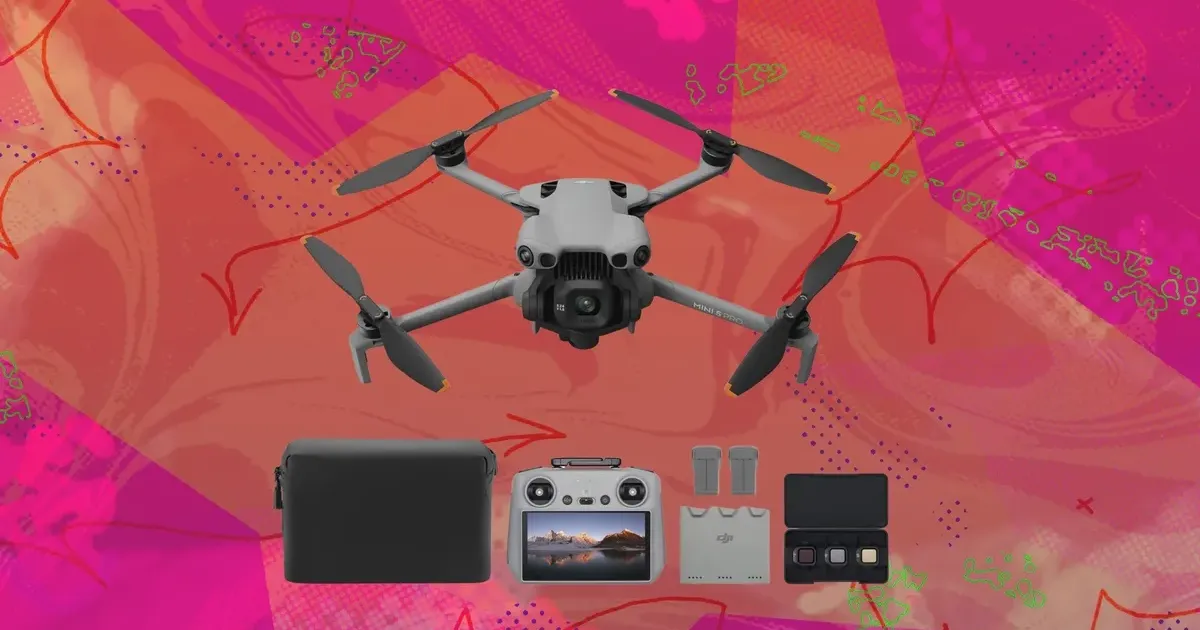
Amazon initiated a meaningful price reduction for its flagship aerial photography hardware, lowering the cost of the DJI Mini 5 Pro Fly More Combo to a record-low $1,099. Consumers looking to enter the high-end drone market now face a 31% discount from the standard $1,599 list price. The April 4, 2026 discount moved the DJI Mini 5 Pro into a more competitive consumer tier. Data from retail tracking tools suggest this is the lowest price ever recorded for the bundle on the platform. DJI continues to dominate the consumer drone sector, yet this specific pricing shift arrives as the industry faces unique geopolitical headwinds and shifting domestic trade policies.
Retailers across the United States are currently managing a complex period for Chinese-manufactured electronics. Pressure from federal regulators regarding data security and domestic manufacturing has created a volatile environment for brands like DJI. These legislative discussions often center on potential import restrictions or bans on specific drone models. Market observers indicate that such uncertainty frequently triggers aggressive inventory liquidations to ensure stock moves before any regulatory changes take effect. Amazon has not confirmed whether these factors influenced the current $500 discount.
Drone enthusiasts generally view the Fly More Combo as the essential version of the DJI Mini 5 Pro because it includes additional batteries, a charging hub, and a carrying case. Standard flight times often fall short for professional videography, making the extra hardware included in this bundle a necessity for serious users. Previous discounts on this model rarely exceeded $200, making the current $500 reduction a statistical outlier in the product's pricing history. Total savings for the consumer represent one of the largest price drops in the aerial imaging category this year.
Drone Market Volatility and Import Restrictions
Legislative efforts to curb the influence of foreign-made technology have placed DJI in an unstable position within the American market. Specifically, the Countering CCP Drones Act and similar proposals have debated the legality of operating these devices on U.S. soil. While no total ban has been implemented as of April 4, 2026, the possibility of future restrictions weighs heavily on purchasing decisions. Buyers must weigh the immediate benefit of a record-low price against the long-term risk of potential software or hardware limitations imposed by government mandates.
Inventory management strategies at major e-commerce platforms often respond to these political signals by lowering prices to stimulate rapid sell-through. Large volumes of DJI Mini 5 Pro units sitting in warehouses represent a financial liability if import status changes overnight. Retailers frequently use seasonal events, such as the Amazon Spring Sale, to mask these defensive pricing maneuvers. This strategy allows companies to maintain high sales velocity while offloading units that carry higher regulatory risks. Financial reports from the first quarter of 2026 show a general trend of declining margins in the drone sector due to these high-volume, low-price sales.
A Mashable editorial analysis described the drone market as being in a strange state of flux and said the Amazon Big Spring Sale reflected a wider push to offload hardware amid changing market conditions.
Consumer demand for high-resolution 4K imaging remains high despite the legal controversies surrounding the manufacturers. The DJI Mini 5 Pro features a 1/1.3-inch CMOS sensor and advanced obstacle sensing that keep it ahead of most competitors in the sub-250-gram weight class. Many professional creators rely on these specific specifications for social media content and real estate photography. Competitive pressure from brands like Autel or Skydio has not yet managed to unseat DJI from its primary market position. Current price points reflect an attempt to lock in users before alternative platforms gain further domestic traction.
Drone Discount Turns Specs Into Buyer Math
The DJI discount is attractive only if the buyer needs the features behind the price drop. Camera quality, flight time, registration rules and repair support matter more than the headline percentage.