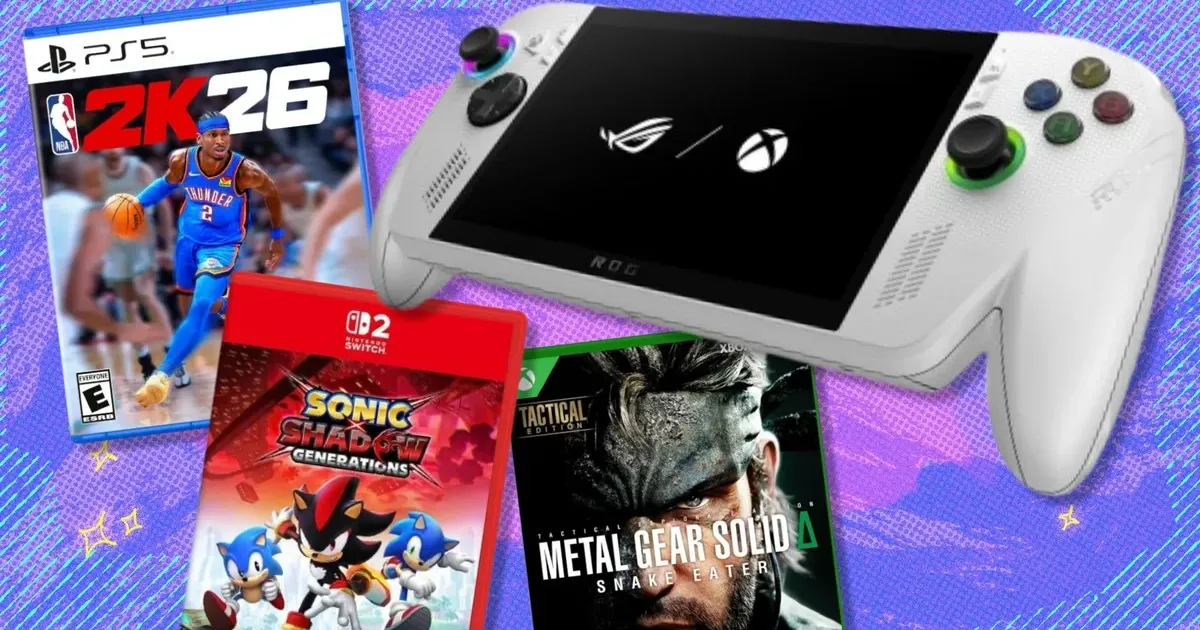
Amazon's spring gaming deals showed how modern gaming retail now runs on timing as much as hardware. The products still matter, but many buyers now ask a second question before they click: is this the best price, or just the price before the next event?
The waiting habit is not accidental. Amazon's Big Spring Sale, Gaming Week, Prime Day and shorter seasonal promotions have made deal windows part of the gaming calendar. Consoles, handheld PCs, monitors, accessories and software all move through the same cycle of list price, event discount, rival match and post-sale comparison.
Handheld PCs Are Especially Price Sensitive
Handheld gaming PCs sit in an awkward but growing category. They promise portable access to Steam, Xbox Game Pass, Epic, GOG and other libraries, but they also carry laptop-like component costs while being compared with traditional consoles.
The category makes discounts unusually powerful. A Windows-based handheld can look expensive at full price because buyers have to accept battery limits, interface compromises and performance settings. A meaningful sale can shift the same device from experiment to plausible second machine.
The ROG Ally Line Shows The Tension
The Asus ROG Ally and Xbox-branded Ally models illustrate the tradeoff. Their appeal is flexibility: PC libraries, Xbox integration and portable play in a form that feels closer to a console. Their challenge is that flexibility comes with more friction than a closed console or a Steam Deck-style experience.
When prices drop, the friction becomes easier to forgive. Buyers can justify tinkering, lower settings and shorter sessions if the device feels like a bargain. At full price, the comparison becomes harsher, especially when a console, laptop or future handheld sits nearby in the shopper's mind.
Software Deals Teach Patience
Game discounts carry the same lesson. A major title marked down only months after release can bring in new players and extend the sales tail, but it also tells early adopters that waiting has value. Back-catalog games, horror releases, sports titles and deluxe editions often depend on that second wave.
The risk is frequency. If every game feels destined for a near-term promotion, the full-price launch becomes harder to defend. Players remember the lowest price they saw and measure every later offer against it.
Amazon Becomes The Reference Point
Amazon's advantage is visibility. A gaming deal on Amazon reaches shoppers who may not be browsing a specialist game store or platform storefront. Its reach gives the company power beyond the sale itself. It can set the price that buyers use as a mental benchmark.
Rivals feel that pressure quickly. Best Buy, Walmart, GameStop and digital storefronts do not need to match every offer for Amazon to shape the conversation. Once a shopper sees a handheld, headset or boxed game fall during an event, the next regular price looks less permanent.
The Calendar Is Now Part Of The Product
This is the deeper shift. Gaming hardware used to be judged mostly by performance, library and platform loyalty. Those still matter, but the sales calendar now changes perceived value. A device can feel overpriced in March and sensible in July without changing at all.
For retailers and publishers, event pricing creates a short-term lever and a long-term problem. Event pricing can move units, clear inventory and pull hesitant buyers into the market. Too much of it can also make list prices feel theatrical.
Discounts Are Strategy, Not Decoration
Amazon is not only selling cheaper gaming products during these events. It is teaching players when to buy. The more often those windows deliver real savings, the more disciplined buyers become about waiting.
Full-price gaming survives, but the standard rises. Hardware has to justify immediacy, and software has to make launch feel urgent. Otherwise, the next sale becomes part of the product's value proposition before the product has even left the shelf.