Energy Stocks Split From the Market
Oil prices hit three-digit territory as traders treated the move as a market split. March 12, 2026, etched itself into financial history as a day of extreme divergence between the fortunes of fossil fuel titans and the rest of the American economy. While the Dow Jones Industrial Average suffered its most punishing session since the outbreak of hostilities with Iran, Exxon Mobil and Chevron shares touched levels never seen before.
Traders in Manhattan watched screens turn blood red across technology and retail sectors, yet the energy ticker tapes flashed a persistent, defiant green. This split reality underscores a global economy wrestling with the sudden disappearance of 20% of its energy supply. Broad market indexes are buckling under the pressure of geopolitical instability, but the domestic oil industry is reaping the rewards of a supply chain that bypasses the combat zone.
Bloomberg Television coverage of the market close featured anchors Romaine Bostick and Katie Greifeld managing an environment where historical correlations have shattered. Carol Massar and Tim Stenovec reported from the Bloomberg Radio desk that the sheer velocity of the sell-off in non-energy equities caught many institutional investors off guard. Their cross-platform analysis highlighted that while the S&P 500 has retreated 2% over the last thirty days, the energy sector has moved in the opposite direction with staggering force.
The Iran war has effectively bifurcated the market into companies that require cheap transport and those that provide the fuel to keep it moving. Global crude prices hit $100 per barrel for the first time since the 2022 invasion of Ukraine.
Exxon Mobil and Chevron have become the clearest symbols of the energy sector's divergence from the broader market. Share prices for these Big Oil mainstays have climbed approximately 30% since the start of the year, tracking the surge in crude. Investors are flocking to these assets because they represent the only reliable safety net in a world where energy scarcity is no longer a theoretical risk but a daily reality. The stock performance of these firms is not just a reflection of current prices. It is a bet on their continued ability to deliver volume while competitors in the Middle East are silenced by the threat of missile strikes and naval blockades.
Energy giants Exxon Mobil and Chevron lead a pack of American producers that are seeing their market capitalization swell to unprecedented heights.
Domestic Producers Gain Leverage
Liquefied natural gas prices have undergone a similar explosion, creating a windfall for specialized American exporters. Firms such as Cheniere Energy and Venture Global are operating at maximum capacity to fill the void left by Qatari LNG, which is currently unreachable.
This geographical advantage allows American firms to charge premium rates for gas that does not have to traverse the dangerous waters of the Persian Gulf. Shipping lanes that were once the arteries of the global energy trade are now clogged with the debris of conflict and the paralyzing presence of naval mines. This creates a vacuum that only a few entities are equipped to fill, and they are almost exclusively located on the Gulf Coast of the United States.
Valero Energy, Marathon Petroleum, and Phillips 66 are also seeing their profit margins reach levels that analysts previously thought impossible. These refiners are benefiting from what industry experts call a golden age of crack spreads, the difference between the price of crude oil and the price of the refined products produced from it. Gasoline, diesel, and jet fuel are all trading at significant premiums because of the destruction of refining infrastructure in the Middle East and the inability of Asian refineries to source feedstock.
Domestic refiners are essentially printing money by processing American-sourced crude into high-demand fuels for a world that has run out of options. Main Street's pain has become Wall Street's panic. United States government officials are attempting to mitigate the damage by authorizing record-level releases from the Strategic Petroleum Reserve. But the physics of the oil market do not allow for instant solutions. Releasing millions of barrels from underground salt caverns and moving them through pipelines to refineries is a process that takes months to execute fully. During that time, the 20% of global supply trapped behind the Strait of Hormuz remains a missing limb of the global economy. The bottleneck has effectively cut off the flow of energy that powers the industrial hubs of the East, leaving the West to scramble for whatever remains.
Consumers Face the Other Side
Average prices for a gallon of regular unleaded gasoline in the United States have climbed above $3.60, a 32% increase since the low points of January.
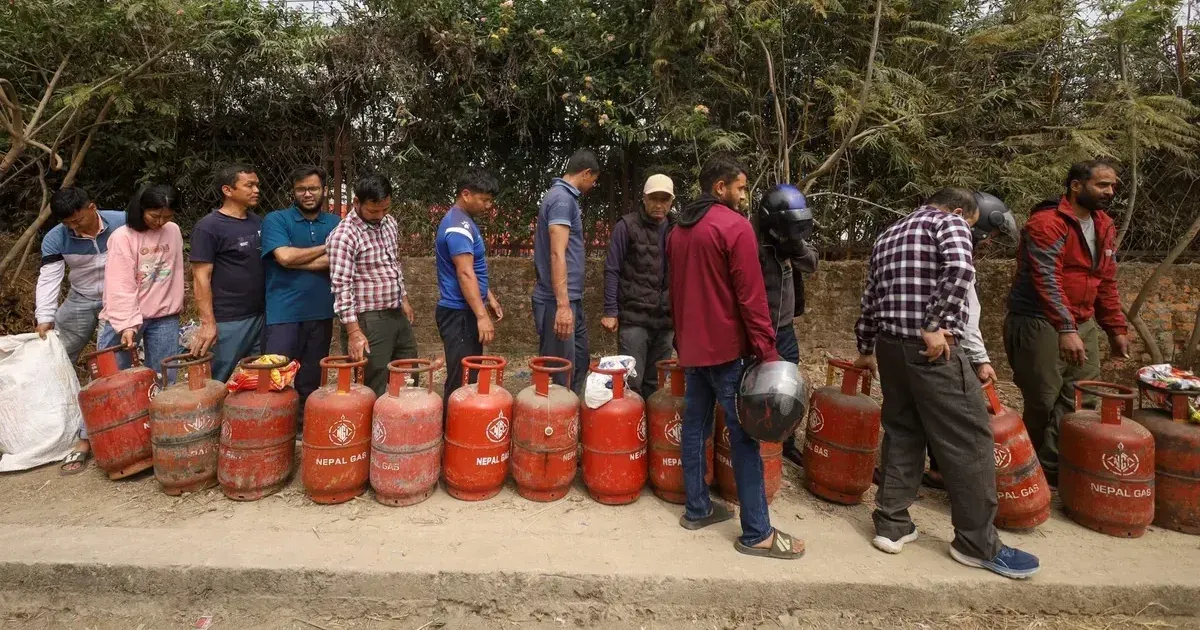
Yet, American consumers are faring better than their counterparts in Asian nations. Reports from Tokyo and Seoul describe desperate scenes at fueling stations where lines stretch for miles and supplies are rationed by the liter. Some governments have even been forced to mandate shortened work weeks to conserve energy, a move that is dragging the global growth rate into the basement.
The disparity between the energy-rich United States and energy-dependent Asia has never been more visible or more economically consequential. Economic analysts are now dusting off 1970s-era textbooks to understand the return of stagflation. The combination of stagnant economic growth and high inflation is a nightmare scenario for the Federal Reserve, which now faces the impossible task of cooling prices without triggering a deep recession.
The math is simple and brutal: as energy costs rise, every other product in the economy becomes more expensive to produce and transport. If the Iran war continues through the summer, the temporary price spikes currently being seen could harden into a permanent inflationary trend that wipes out a decade of wage gains. Pickering Energy Partners founder Dan Pickering recently noted that American producers are in a unique position because their infrastructure is not subject to the same physical threats as their rivals. He observed that the US is currently the largest producer in the world, and unlike the Middle Eastern nations, American supplies are not bottlenecked. Investors are recognizing this reality and adjusting their portfolios accordingly. The result is a stock market that looks like a tale of two countries: one that is thriving on the energy crisis and another that is being strangled by it.