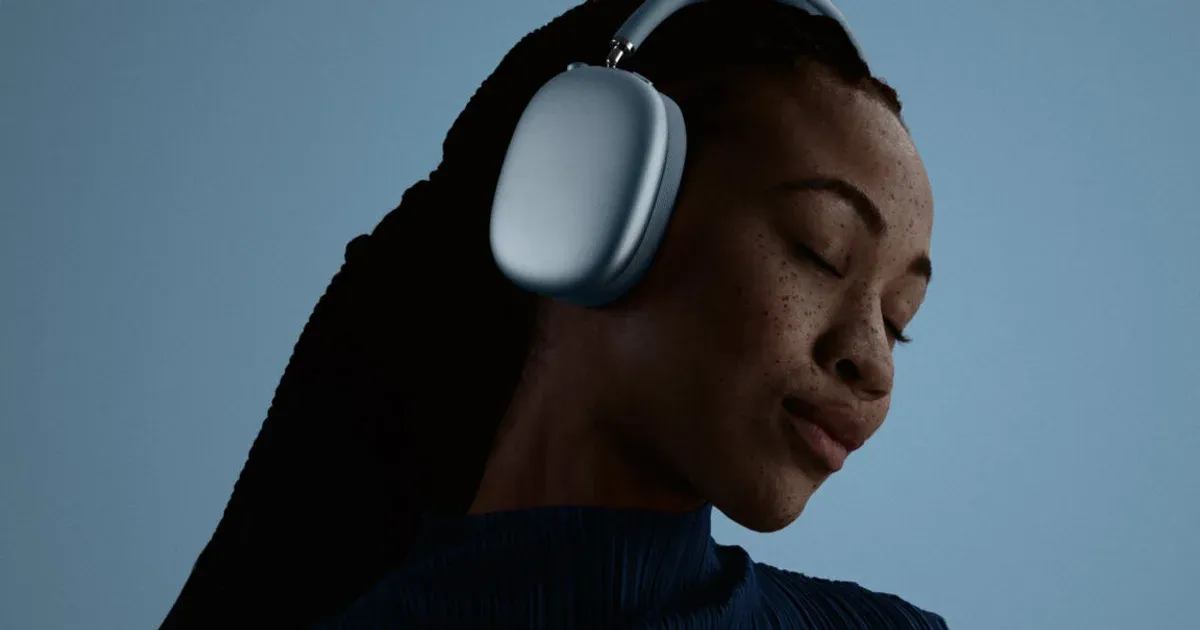
Apple's second-generation AirPods Max update is aimed less at style than at the software layer around premium audio. The headset keeps the familiar design while pushing translation, noise control and call quality deeper into the hardware. The hardware represents the first major technical overhaul for the over-ear series since its initial release in 2020. Pricing remains consistent with the previous generation, holding firm at $549 despite broader inflationary pressures in the consumer electronics sector. The inclusion of the H2 chip acts as the primary engine for these upgrades. This particular silicon was first introduced in the AirPods Pro series and now makes its way into the flagship over-ear model. The integration allows for more complex computational audio tasks that were previously impossible with the older H1 processor. Engineers have used this processing power to double down on noise reduction and voice clarity during calls. The external aesthetic remains largely unchanged from the original silhouette, featuring the same mesh headband and aluminum earcups. The internal changes are substantial enough to alter the user experience for frequent travelers. The new model offers active noise cancellation that Apple claims is 1.5 times more effective than the first generation. This improvement targets low-frequency sounds like jet engines and urban traffic more aggressively. By using updated computational algorithms, the headset monitors external noise hundreds of times per second to adjust the anti-noise signal. Performance in high-decibel environments is the primary selling point for this iteration.
AirPods Max 2 Adds Translation
Hardware Upgrades and the H2 Chip
Meanwhile, the transition to the H2 chip brings the AirPods Max 2 into alignment with the rest of the current Apple audio system. The original model had become an outlier, lacking the advanced features found in the much cheaper AirPods Pro 2 and Pro 3. With this update, the over-ear model regains its status as the most capable device in the lineup. The chip manages not just audio playback but also power efficiency and sensor data. It coordinates the interaction between the microphones and the drivers to ensure consistent frequency response regardless of the fit on a user's head. The audio architecture now includes a new custom-built amplifier and driver set. In practice, the AirPods Max 2 now have almost all the features you'll find in the AirPods Pro 3, just in an over-ear design.
Premium Price Stays in Place
Rapid charging via USB-C provides several hours of playback from a ten-minute charge.
The result is a cleaner isolation experience, particularly in crowded office spaces or transit hubs. The system also filters out wind noise more effectively during outdoor use. For instance, the new Adaptive Audio mode merges transparency and noise cancellation into a single, fluid experience. It dynamically adjusts the level of noise control based on the changing environment. If a user moves from a quiet sidewalk to a loud construction zone, the headset increases the cancellation depth automatically.
It removes the need for manual switching between modes. It is a move toward a more passive, intelligent user interface where the hardware makes decisions on behalf of the listener. In practice, Conversation Awareness complements the adaptive audio suite. When a user begins speaking, the H2 chip detects the vibration and vocal pattern to immediately lower the media volume. It simultaneously enhances the voices of people directly in front of the wearer.
It allows for brief interactions, such as ordering a coffee or answering a colleague, without removing the headset. Once the conversation ends, the volume returns to its previous level and noise cancellation re-engages.
Live Translation and Software Integration
The most discussed addition is the AI-powered live translation feature. The system uses the microphones to pick up foreign speech and provides a translated audio feed directly into the user's ears. It requires a tethered iPhone to handle the heavy linguistic processing, but the latency is low enough for near-real-time conversation. The positioning suggests Apple is looking to compete with dedicated translation devices and high-end enterprise headsets.
It turns a piece of consumer audio gear into a productivity tool for international business. The software handles voice isolation with a new level of precision. During phone calls, the H2 chip uses machine learning to identify the user's voice and strip away background clutter. It is particularly useful for professionals working in open-plan offices or public spaces. The microphones focus on the frequency of human speech while ignoring the clatter of keyboards or distant chatter. It ensures that the person on the other end of the line hears only the speaker.
The spatial audio performance has also been refined through personalized profiles. Users can use their iPhone camera to map their ear geometry, which the AirPods Max 2 then use to calibrate the soundstage. It creates a more immersive 360-degree audio experience for movies and music. The H2 chip tracks head movements with high accuracy to keep the audio anchored to the source device. The consistency is essential for maintaining the illusion of a multi-speaker environment.
Market Competition and Pricing Strategy
Inside the competitive field of 2026, the $549 price point remains a major barrier for many.
Sony and Bose offer flagship over-ear headphones that often retail for $150 to $200 less than Apple's offering. However, the deep integration with the Apple system provides a convenience factor that competitors cannot match. Features like automatic device switching and one-tap setup keep users locked into the hardware cycle. Apple is banking on the idea that users will pay a premium for a smooth experience rather than raw value. The lack of a design refresh may disappoint those who found the original model too heavy. The aluminum earcups contribute to a weight that is noticeably higher than plastic-bodied competitors.
Apple has chosen to stick with its luxury materials rather than optimize for lightness. The decision reinforces the product's position as a status symbol rather than just a functional tool. The stainless steel frame and knit mesh canopy remain the hallmarks of the build quality. But the market for high-end headphones has matured since 2020. Most consumers who wanted premium over-ear headphones already own a pair, meaning Apple must convince them that the H2 chip is a worthy reason to upgrade.
Apple Sold Software as Luxury Hardware
The hard question is whether a $549 headset can still justify itself when the most meaningful upgrades are software behaviors borrowed from cheaper earbuds. Live translation and adaptive audio are useful, but they also reveal how little the physical product has changed. Apple is asking loyal customers to pay luxury pricing for an ecosystem lock-in story dressed as acoustic progress.
If the company wants the AirPods Max line to remain more than a status object, it must prove that premium materials and translation tricks can survive daily use better than a lighter, cheaper rival. Otherwise, the product is a polished reminder that the Apple ecosystem often sells convenience as innovation and weight as prestige.