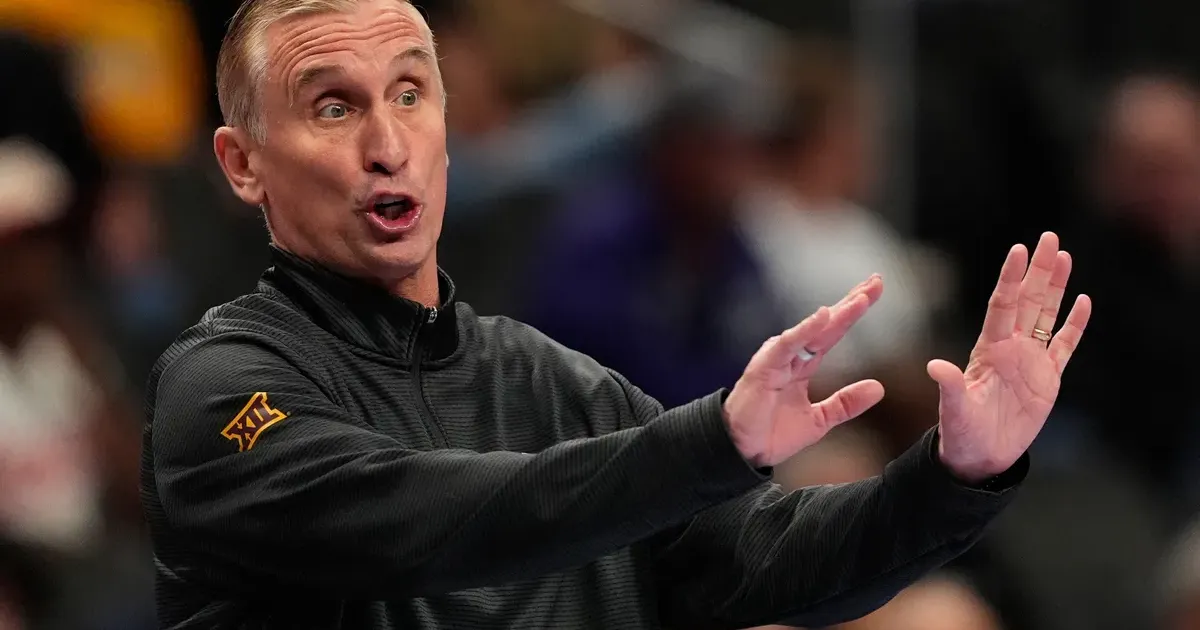
Arizona State fired Bobby Hurley, ending an 11-year tenure that never turned early promise into sustained postseason relevance. The decision closed a chapter that began with name recognition, recruiting optimism and the belief that a former Duke star could give Tempe a sharper basketball identity. Athletic officials confirmed the move after another season failed to produce the kind of tournament momentum the program expected. By March 21, 2026, the decision had become a referendum on whether patience still had a case. Hurley did not leave behind a simple failure. He raised the program's profile at moments, produced competitive teams and gave Arizona State national visibility. The problem was durability. Brief surges were followed by uneven conference play, roster churn and the familiar question of whether the Sun Devils were close to breaking through or merely circling the same ceiling.
The Drought Became the Story
College basketball patience usually depends on March. A coach can survive inconsistent winters if the program creates memorable postseason runs. Arizona State rarely did that under Hurley, and the absence became harder to explain as the tenure lengthened. Bobby Hurley arrived with credibility as a player and a competitive edge that appealed to a fan base looking for relevance. Those traits helped reset expectations. Once expectations rose, however, occasional NCAA tournament appearances were not enough to protect the job indefinitely.
Roster Turnover Changed the Job
The modern college game has become less forgiving. Transfer movement, name-image-likeness money and conference realignment have made roster construction a year-round pressure. Programs that cannot retain core players or quickly replace them can lose continuity before a season begins. Arizona State now has to decide what kind of coach fits that environment. The next hire will need recruiting relationships, portal speed and a clearer offensive identity. The job is attractive, but it is not automatic. Basketball still competes with football attention, regional rivals and a crowded Western recruiting map. Tempe needs a clean reset. The decision gives the athletic department a chance to define the program's standard instead of reacting to disappointment. If the goal is regular tournament contention, the next contract, staff budget and NIL strategy have to match that ambition. Firing a coach is only the visible first step. Hurley's exit will be remembered with mixed feelings because his tenure had real moments of energy. It also lasted long enough for the central verdict to become clear. Arizona State wanted more than competitiveness. It wanted proof that the program could matter in March, and that proof never arrived often enough. The timing also gives Arizona State a chance to move before the coaching market hardens. Programs that wait too long can find their preferred candidates extended, promoted or priced out. A clean early search gives administrators more room to test interest quietly. Boosters will expect to be part of the next phase. In the NIL era, a basketball reset requires money for player retention as much as money for a head coach. A school can hire the right tactician and still fall behind if the roster budget is not competitive. Hurleys successor will inherit a fan base that has seen enough flashes to believe the program can be better. That belief is useful, but it also removes excuses. The next coach will not be asked merely to make Arizona State respectable.
The Sun Devils also need a clearer home-court identity. Programs outside the blue-blood tier often build momentum by becoming difficult to play at home, then turning that consistency into recruiting proof. Arizona State had moments of that edge, but not enough permanence.
The firing is therefore less about one bad season than a long accumulation of almost. The program was often interesting, occasionally dangerous and rarely stable enough when the games mattered most.
Recruiting history will be reviewed too. Hurley landed players talented enough to suggest a higher ceiling, but the program did not convert that talent into a stable postseason identity. In college basketball, isolated recruiting wins are not enough if the roster never matures into a coherent core.
Arizona State must also decide how much patience the next coach receives. A reset can produce early energy, but real program building may require more than one transfer cycle. The athletic department has to demand progress without recreating the same uncertainty it just ended.
The school's conference situation will also shape the search. Travel, media exposure and recruiting geography all influence what kind of coach can win consistently. Arizona State needs someone who understands the Western recruiting base but can also operate nationally in the portal. That combination is now more important than a famous playing resume.
That is the standard the next coach inherits: not celebrity, not patience without progress, but a visible path to March credibility.
The decision is defensible only if the replacement plan is sharper than the frustration that produced it.