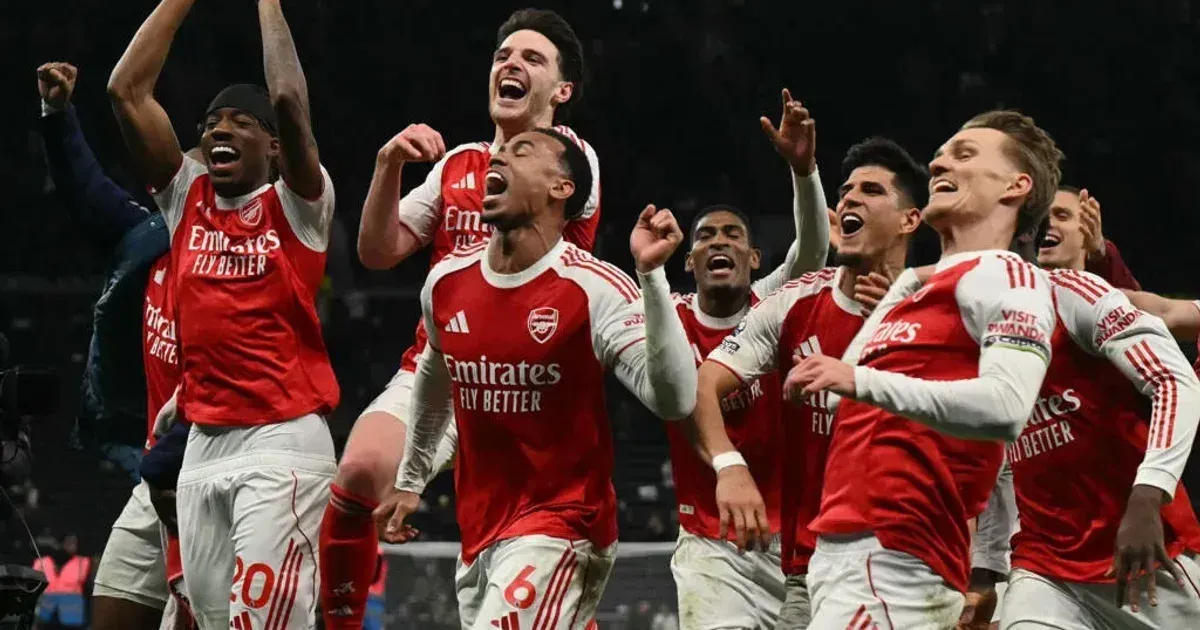
Mikel Arteta finally took Arsenal back to the top of English football after years of near misses and pressure. The title ended a long wait and gave Arsenal supporters a generational benchmark. It also changed the way this squad will be judged against recent Premier League champions. A trophy drought that long does not end quietly. The title was confirmed on May 19, 2026, when Manchester City drew 1-1 at Bournemouth and could no longer catch the North London club. Arsenal players and supporters celebrated a championship that had been out of reach since the 2003-04 Invincibles season.
The way the title arrived did not make it smaller. Arsenal had already done the hard work across the campaign, and City needed a win on the south coast to keep the race alive. Bournemouth's draw turned the table into a mathematical fact and ended a 22-year wait for a league trophy.
Arteta Steps Out of Guardiola Shadow
Arteta's path gives the title its strongest narrative. He returned to Arsenal in 2019 after working under Pep Guardiola at Manchester City, then spent years trying to turn a talented but inconsistent squad into a team that could survive a full title race. The project required recruitment, discipline and patience from a fan base tired of being told to wait.
The result moves Arteta out of the assistant-manager frame that followed him for years. His Arsenal side borrowed some of City's positional ideas, but it also developed its own defensive edge, set-piece threat and emotional identity. That combination mattered when the title race tightened.
Arteta also changed the emotional temperature around the club. Arsenal had talented teams in the years after Wenger, but they often looked fragile when the race became narrow. This squad learned to protect leads, absorb ugly spells and avoid turning one poor performance into a month of doubt. That maturity is why the title feels earned rather than inherited from City's stumble.
I am incredibly proud of what this group has achieved after so much hard work and belief in our process over the last several years.
Arsenal Ends a Two-Decade Drought
The club's last Premier League title came in 2004, when Arsene Wenger's team completed an unbeaten league season. Since then, Arsenal lived through stadium debt, managerial change, Champions League exits and repeated questions about whether the club could still compete with richer rivals over 38 matches.
This title changes that conversation. Arsenal finished as runner-up in three straight seasons before finally clearing the last obstacle, and that history gives the achievement more weight. The same pressure that once looked like a weakness became part of the team's education.
The 2023, 2024 and 2025 misses also explain why the celebrations carried relief as much as joy. Arsenal did not arrive here as a surprise champion that caught the league once. It came back after repeated disappointment and proved that the project could survive its own scars.
Supporters around the Emirates and the old Highbury streets treated the Bournemouth result like a home win. Flags, chants and late-night celebrations reflected a release that had been building for a generation. For younger fans, this was the first league title they had seen Arsenal win.
City Slip Ends the Race
Manchester City's draw at Bournemouth closed the final route back into the title race. Guardiola's side had chased Arsenal through enough seasons to make another late comeback feel possible, but this time the gap held. A single dropped result was enough because Arsenal had already built the cushion.
The result also changes the tone around City. Their dominance has shaped the Premier League for much of the last decade, and losing the title to a former Guardiola assistant gives the season a symbolic edge. It does not erase City's era, but it shows that the league is no longer locked into one ending.
Bournemouth's role should not be reduced to a footnote. Holding City under that pressure required discipline, and the draw gave the final day a different meaning. Arsenal still had to build the lead that made the result decisive, but Bournemouth supplied the last turn of the race and gave the table its final shape before the closing weekend.
Arsenal Must Turn One Title Into Sustained Control
Arsenal's title will raise commercial expectations, transfer ambition and pressure on the next campaign. Winning once proves the project worked; staying there is a different test. The club now has to decide how much to add without damaging the chemistry that made this group strong.
The triumph also validates the board's decision to back Arteta through difficult stretches. Modern football often rewards impatience, but Arsenal reached this point through a slower build. That does not mean every club can copy the model. It means patience only works when the underlying football is improving.
The next challenge is to make the title feel like a beginning rather than a finish line. Arsenal has restored its place at the top of England. Now it has to defend that status against a City side that will not accept second place quietly.