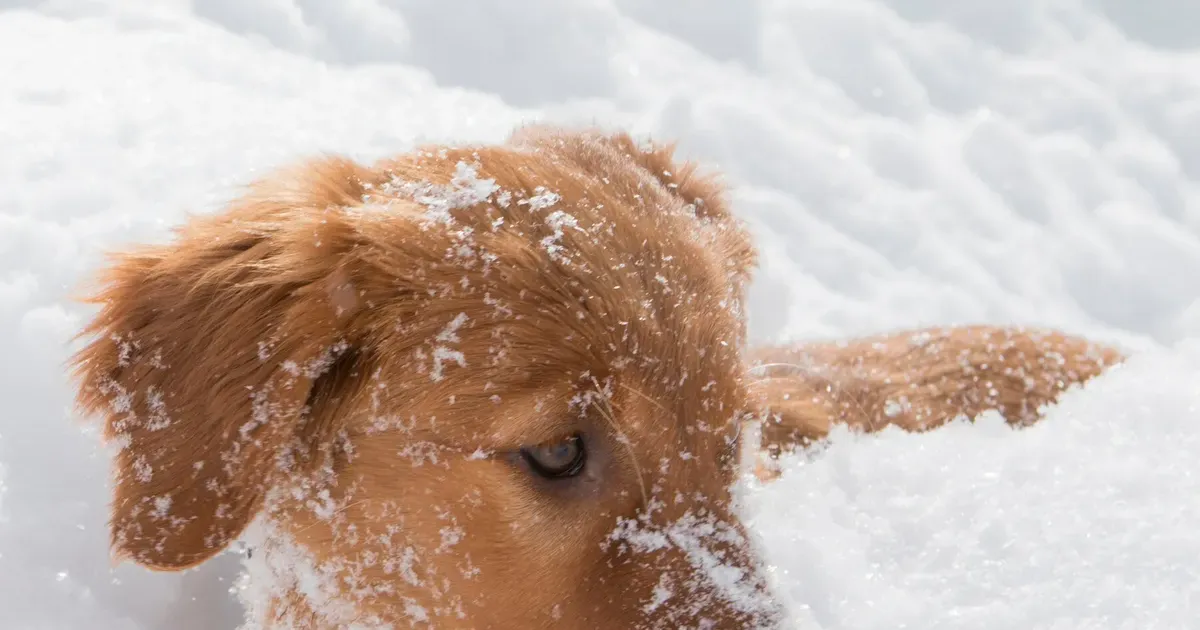
Avalanche rescue dogs remain essential to ski patrol and mountain search teams because they bring speed, scent and handler trust into a situation where minutes decide outcomes. When someone is buried, the rescue window narrows quickly. A trained dog can cross broken debris, follow human scent moving through snow and help search areas that are difficult for people to cover by probing alone.
A dog's speed does not make it a substitute for preparation. The strongest avalanche system still begins before anyone is buried: route choices, weather judgment, terrain avoidance, partner communication and every person carrying a working transceiver, probe and shovel. A rescue dog belongs to the emergency layer. It is not permission to travel carelessly.
Training Turns Play Into Work
Most avalanche-dog training begins as a game. A puppy chases a handler, finds a person hidden in the snow and learns that digging brings reward. Over time, the game becomes more demanding. The burial gets deeper, the search area grows, the distractions increase and the dog has to work around skis, snowmobiles, helicopters, crowds, wind and cold.
Years of training are why public demonstrations can look deceptively easy. The dog appears to be playing, but the behavior has been shaped through years of repetition. A reliable alert in a resort demo is built for a much harsher real scene: poor visibility, fractured debris, anxious witnesses and a handler trying to make fast decisions without creating another accident.
The Handler Reads More Than the Bark
An avalanche dog is only as useful as the team around it. Handlers learn the dog's normal pace, breathing, head movement, tail position and search rhythm. A slight change can signal scent before the dog starts to dig. That relationship is built through daily work, not occasional drills.
Trust runs both ways. The dog has to accept lifts, snow machines and chaotic resort environments. The handler has to know when the dog is working scent and when wind, fatigue or terrain is confusing the picture. Rescue is not simply releasing a dog onto snow. It is interpreting behavior under pressure.
Dogs Add a Layer to Beacons and Probes
Transceivers, probes and shovels remain the core of companion rescue. They work when every person in the group carries the gear, knows how to use it and practices enough to move quickly. A dog adds a different capability. It can search for human scent even when the buried person has no beacon, the signal is unclear or the debris field is too complex for a fast probe line.
Dogs are not magic. Wind direction, snow density, temperature, burial depth and debris structure all affect scent. Canine teams still need safe access, a rescue plan and human diggers. The best result usually comes from layers working together: visual clues, beacon search, probing, shoveling and trained dog teams when organized rescue arrives.
Speed Is the Brutal Standard
Avalanche survival drops rapidly with burial time, which is why the first minutes matter so much. Companion rescue is often the buried person's best chance because professional teams may need time to reach the slope. Ski patrol dogs can move fast once deployed, but they are still part of a larger response that includes dispatch, slope safety, medical care and extraction.
The urgency also creates risk for rescuers. Secondary slides, unstable hang fire, sharp ice blocks, deep debris and cold can injure dogs and handlers. Good patrol work balances speed with scene safety. A rescue team that becomes the next victim has made the emergency worse.
Prevention Has to Stay First
The public appeal of avalanche dogs can create the wrong emotional lesson. They are skilled, fast and easy to admire, but their job begins after something has already gone badly wrong. Backcountry travelers should still read the avalanche forecast, choose conservative terrain, carry rescue gear, practice with partners and turn around when conditions are wrong.
The real standard is not faith that a dog might save someone later. It is making decisions that keep the dog in the patrol room. Rescue dogs are one of the most valuable tools mountain teams have. The better measure of respect for that work is not needing them in the first place.