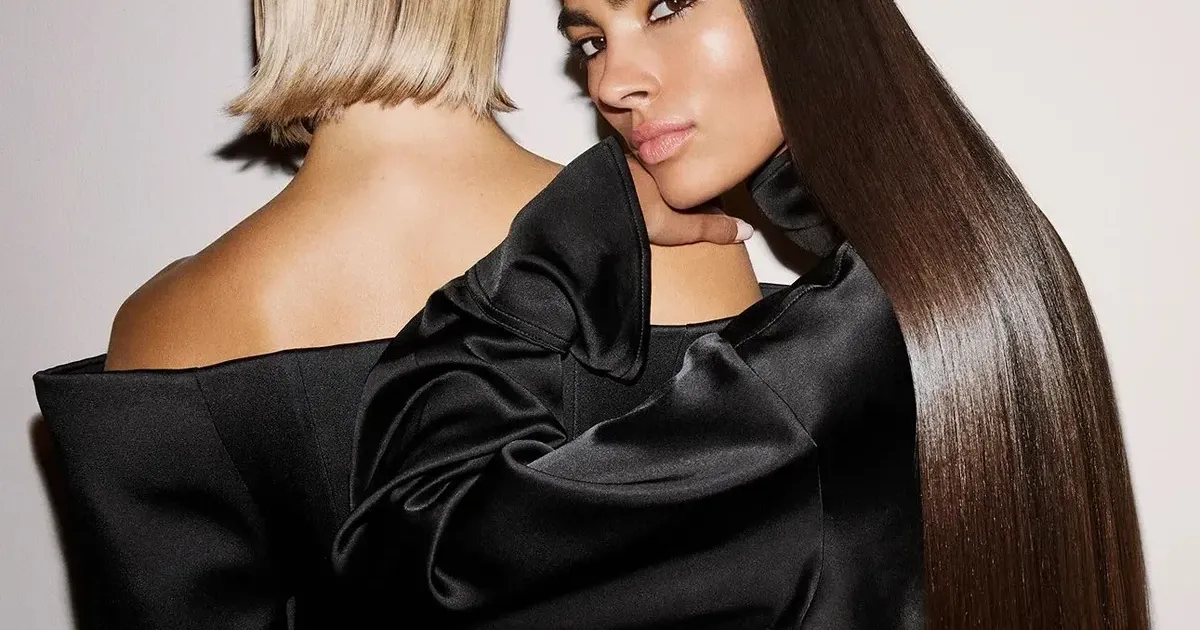
Beauty brands and salon stylists are refining anti-humidity methods as warmer, wetter urban summers make blowouts harder to preserve. Demand is rising for products that protect the hair cuticle from water vapor. Industry analysts on April 1, 2026 described the practical challenge simply: moisture breaks temporary hydrogen bonds, swells the hair shaft and collapses the intended shape.
Molecular Science of Humidity-Resistant Hair
Understanding the physics of hair requires a look at the cortex and the surrounding cuticle layer. Water molecules in the air seek out the porous sections of a hair strand. Porosity increases when the cuticle is raised by heat damage or chemical processing. Damaged hair acts like a sponge, absorbing moisture and expanding rapidly. This expansion disrupts the sleek alignment achieved during a professional blowout. Hydrogen bonds are weaker than disulfide bonds and react instantly to environmental changes. Chemists focus on creating a hydrophobic barrier that prevents water from crossing the cuticle. Most traditional hairsprays fail because they only provide a superficial coating. Advanced formulas now use fluorinated polymers to repel water at a molecular level.
Hydrogen bonds determine the temporary shape of the hair during styling. Heat application via flat irons or blow dryers resets these bonds into a straight configuration. Atmospheric moisture provides the energy needed for these bonds to return to their natural, often frizzed, state. Experts at Vogue suggest that sealing the hair before environmental exposure is the only way to maintain a style. Moisture levels above 60 percent trigger immediate changes in hair diameter. Protecting the style requires a combination of chemical sealants and mechanical tension during the drying process. Success depends on the initial state of the hair fiber.
Technical Methods for Pre-Styling Hair Preparation
Proper styling begins in the shower with the removal of mineral buildup and excess oils. Clarifying shampoos reset the hair pH, allowing subsequent treatments to penetrate more effectively. Conditioners containing lightweight silicones provide the first layer of defense against moisture. These silicones, such as dimethicone or amodimethicone, coat the hair to reduce friction and porosity. Heavy oils often weigh down the hair without providing a true moisture barrier. Professionals prefer water-soluble polymers that offer protection without causing greasy residue. The foundation of a long-lasting blowout is a balanced moisture level within the cortex. Dry hair is more likely to seek moisture from the atmosphere. Maintaining hydration through deep conditioning reduces the drive for the hair to swell.
A spokesperson for Vogue stated, "Protect your blowout and fight frizz by prepping, sealing, and protecting your style with these expert-approved steps."
Sectioning the hair ensures that every strand receives equal treatment. Small sections allow for better heat distribution and more consistent tension. Wet hair is at its most vulnerable and requires a leave-in primer with thermal protection. Thermal protectors contain hydrolyzed wheat protein or specialized copolymers that shield the hair from temperatures exceeding 400 degrees Fahrenheit. Excessive heat without protection creates micro-cracks in the cuticle. These cracks become entry points for humidity later in the day. Stylists use a nozzle attachment to direct the airflow downward along the hair shaft. This technique flattens the cuticle scales for maximum light reflection and moisture resistance. As professionals perfect humidity-resistant styles, many are also looking toward the latest hair trends 2026 for inspiration.
Product choice now matters as much as styling technique, especially for clients moving between air-conditioned rooms and humid streets in the same day. Lightweight creams can reduce porosity before blow-drying, while heavy oils often collapse volume and attract residue. Stylists recommend testing formulas on a small section first because fine, curly and chemically treated hair respond differently to the same polymer barrier.
Maintenance after styling is just as important as the first blowout, particularly for commuters who move from outdoor heat into offices, trains and restaurants throughout the day. A silk wrap, a loose clip and limited brushing reduce friction that can reopen the cuticle overnight. The strongest anti-humidity routine therefore combines product chemistry with small behavior changes that keep moisture from undoing the style. Those small steps matter most when humidity rises suddenly during a commute or evening event. The method is not glamorous, but it is what keeps the style intact after leaving the salon. That final discipline is what separates a temporary finish from a style that survives a full workday.
Practical Takeaway
Preserving the style overnight requires minimizing friction and moisture from the body. Silk or satin pillowcases reduce the physical abrasion that raises the hair cuticle. Cotton fabrics absorb moisture and can strip the hair of necessary oils. Many individuals use a loose silk wrap to keep the hair aligned during sleep. Excessive brushing should be avoided as it generates static electricity. Static contributes to the appearance of frizz by forcing individual hairs to repel one another. Instead of a brush, a wide-tooth comb or fingers should be used for minor adjustments.