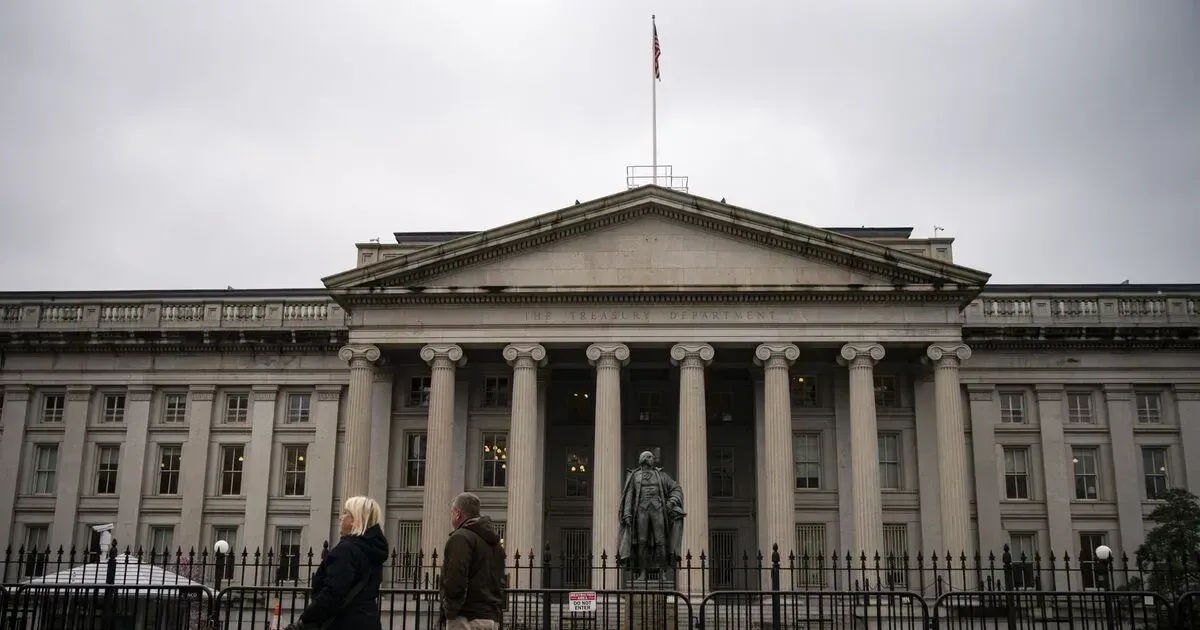
Scott Bessent moved quickly to shut down market speculation that Treasury was quietly preparing to force oil prices lower. Scott Bessent on Monday morning dismissed persistent speculation that the United States government would intervene in commodities markets to suppress rising crude costs. Speaking before a cohort of financial analysts, the Treasury Secretary clarified that his department lacks the legal authority to manipulate oil prices. The clarification landed on March 16, 2026, after a volatile weekend in which traders had treated intervention rumors as part of the oil-price story.
Treasury Pushes Back on Market Rumors
Rumors had circulated throughout the weekend suggesting a coordinated effort between the White House and international partners to force a price correction. Such whispers caused a brief lull in trading activity as investors waited for a formal policy announcement. Separately, energy benchmarks remained volatile as traders processed the lack of a government safety net.
Oil Prices Still Drive Bond Relief
West Texas Intermediate had reached a multi-month peak earlier in the week, fueled by supply disruptions and heightened geopolitical tensions. Bessent emphasized that market forces must dictate the price of energy, rather than administrative fiat. He explicitly stated that the Treasury Department is not intervening in oil commodities markets and has no authority to do so under current federal statutes. The Treasury Department has no mandate to serve as a market maker for crude oil, and we are not currently seeking such powers through legislative or executive channels. Treasury comments can move markets, so denying intervention helps limit speculation about hidden policy tools.
Policy Credibility Becomes the Signal
Meanwhile, global bond markets reacted with immediate sensitivity to the cooling of oil prices. Treasury yields fell as investors pivoted back to sovereign debt, viewing the slight retreat in energy costs as a reprieve from inflationary pressure. Bloomberg Economics reported that the rally in bonds gained momentum when crude prices slipped from their recent highs. Lower energy costs reduce the anticipated burden on consumer price indices, which in turn allows the Federal Reserve more breathing room regarding interest rate adjustments.
By contrast, the equity market remains cautious about the longevity of this downward trend. Analysts at several major banks had predicted that sustained oil prices above $95 per barrel would trigger a recessionary feedback loop. Declining prices mitigate some of that immediate anxiety. Investors are now calculating the impact of $85 crude on corporate profit margins for the second quarter. High energy costs act as a hidden tax on both manufacturing and logistics sectors.
Treasury Authority and Oil Market Realities
Legal experts suggest that the executive branch has limited tools for direct price control in the energy sector. While the Strategic Petroleum Reserve remains an option for physical supply injection, it does not equate to the financial intervention rumors suggested. Scott Bessent noted that the administration remains focused on long-term fiscal stability rather than short-term price fixing.
His comments aimed to extinguish the idea that the government could use a stabilization fund to short oil futures. In fact, the mechanics of such an intervention would likely require an act of Congress. The Treasury Department typically manages currency stabilization and debt issuance rather than physical commodities.
Most legal scholars agree that the Commodity Futures Trading Commission would be the primary regulator if any manipulation were suspected. Bessent’s rejection of the rumors provides a clear boundary for market participants. The policy of the current administration remains centered on domestic production and diplomatic pressure.
Yet, the psychological impact of his statement was felt across trading desks in London and New York. Market participants often look for a lender of last resort or a price-cap guarantor during periods of extreme volatility. When Bessent closed the door on that possibility, the focus shifted back to supply and demand fundamentals. Institutional investors began re-evaluating their hedge positions after his remarks. The lack of a government floor or ceiling adds a layer of uncertainty to long-term energy contracts.
Global Bond Markets Respond to Crude Shifts
Global bond markets joined a significant rally as the threat of an oil-induced inflation spike receded. Treasuries saw increased demand, pushing the yield on the 10-year note lower by several basis points. According to Bloomberg Economics, the relief in the bond market stems from a belief that lower oil prices will stabilize inflation expectations.
This shift suggests that the broader economy might avoid the stagflation scenarios that dominated headlines last month. Still, the connection between energy and debt remains fragile. If oil prices resume their climb, the current bond rally could evaporate within a single trading session. Financial institutions are watching the 2.4 million barrel-per-day production gap closely. Many fear that the current retreat in prices is only a technical correction rather than a fundamental change in market direction.
Bessent Is Defending the Boundary of the State
The Treasury denial matters because markets are increasingly trained to expect government intervention whenever volatility becomes politically painful. Bessent is drawing a line that should have been obvious: the federal balance sheet is not a universal shock absorber for every spike in oil prices. Once traders believe Washington will quietly cap commodities, price discovery becomes theater and every private risk migrates toward the taxpayer.
That does not make the energy shock harmless. It makes the policy choice harder. If oil rises because of war, the answer cannot be a covert Treasury trading desk pretending to be strategy. The administration can release reserves, pressure producers and pursue diplomacy, but manipulating crude futures would destroy credibility faster than it lowers gasoline prices. Bessent is right to shut the rumor down before it becomes the market’s next addiction.