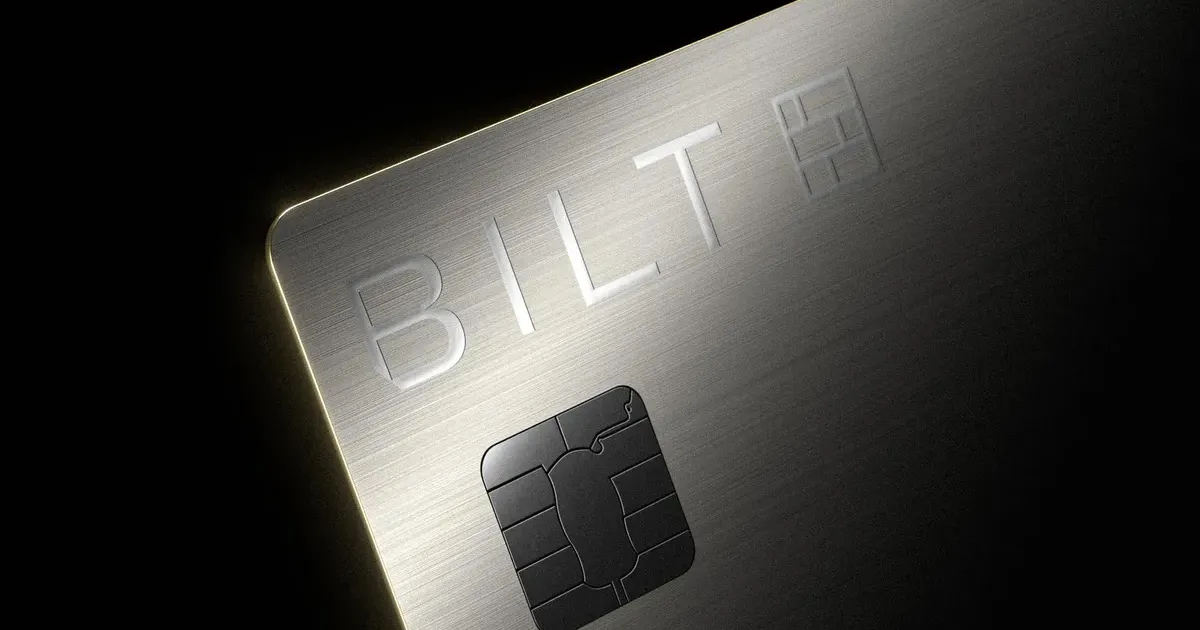
Bilt Palladium is not just a richer version of the original rent-rewards card. It is a different kind of product. The $495 annual fee places it in premium travel-card territory, while Bilt's pitch still begins with housing: rent, mortgage and HOA payments without the usual transaction-fee pain when handled through the Bilt system. The combination is powerful, but it is no longer simple.
The new Bilt Card 2.0 lineup separates users into Blue, Obsidian and Palladium tiers. Palladium sits at the top, with stronger everyday earning, travel credits, Bilt Cash, Priority Pass access and the possibility of earning on housing payments. The question for consumers is not whether those benefits sound valuable. It is whether they line up with real monthly behavior after the annual fee, reward rules and redemption limits are counted.
The Fee Changes the Audience
The original Bilt appeal was easy to understand: earn rewards on rent, a category that most card issuers avoided. A no-annual-fee card could make sense for a wide renter base because the entry cost was low. Palladium narrows that audience immediately. A $495 fee asks the customer to behave like a premium-card user, not just a tenant routing one recurring payment.
The higher fee changes the audience. The card is better suited to people who spend meaningfully outside housing, use Bilt Travel or dining partners, redeem points carefully and can use the annual credits without changing their life around the card. A renter who only wants points on rent may find the structure much harder to justify. The same is true for a homeowner attracted by mortgage rewards but uninterested in the rest of the platform.
Housing Rewards Now Come With Choices
Bilt's updated support material frames housing rewards around choices, not one universal path. Cardholders can earn through rent and mortgage payments, but the return depends on whether they select housing-only rewards or use Bilt Cash mechanics tied to broader spending. The flexible structure gives Bilt room to manage economics. It also gives customers more chances to misunderstand the value.
Consumer-finance products lose trust when the headline benefit is easier to describe than to use. If a customer has to ask whether rent points require extra spend, whether a credit offsets the annual fee, or whether a mortgage payment qualifies in a particular setup, the product has already become more demanding. Complexity is not automatically bad, but it has to pay for itself.
Palladium Competes With Travel Cards as Much as Rent Cards
The premium tier also moves Bilt into territory occupied by American Express, Chase, Capital One and other travel-card issuers. Lounge access, hotel credits, transfer partners and elevated travel earning are familiar tools in that market. Bilt's difference is the housing relationship layered on top.
The housing difference is strategically important. Rent and mortgage payments reveal a monthly financial rhythm that ordinary travel cards usually do not own. If Bilt can connect housing, neighborhood spending, travel redemptions and merchant offers inside one account, Palladium becomes more than a metal card with a large fee. It becomes a data and loyalty product tied to where people live.
The Wells Fargo Exit Still Hangs Over the Story
The new card lineup also arrives after the end of Bilt's Wells Fargo-issued card era. Reporting around that partnership showed why rent rewards are difficult economics: customers liked the points, landlords avoided fees where possible and the issuer did not get the kind of revolving-balance revenue it expected. Bilt's move to a new structure with Column N.A. and Cardless support is therefore not just a branding update. It is an attempt to rebuild the business model.
The Wells Fargo history should make users cautious about launch excitement. A rewards card can be generous on paper because the company wants adoption, but terms, partners and credits can change. Anyone evaluating Palladium has to treat the offer as a current set of rules, not a lifetime guarantee.
Credit-Card Value Still Depends on Discipline
The rewards math only works if the cardholder avoids interest. Bilt and outside coverage have pointed to a low introductory APR feature in the new lineup, but credit cards remain expensive if balances are carried after promotional periods or outside the stated terms. A $495 annual fee plus interest can erase even strong rewards quickly.
The most honest reading is therefore practical. The card may be valuable for a customer who pays in full, uses the credits naturally, spends enough outside housing and understands how Bilt Cash and housing rewards interact. It is far less compelling for someone who wants a simple rent-points tool or who would spend more just to unlock benefits.
Execution Will Matter More Than Launch Math
Palladium's risk is not that premium rent rewards are impossible. The risk is that the product asks users to manage too many moving pieces: annual fee, housing reward settings, Bilt Cash, travel credits, partner redemptions, app controls and issuer transition details. If the app makes those choices obvious, the card can feel like a well-built platform. If the user needs a spreadsheet every month, the fee becomes harder to defend.
Bilt has a rare angle because housing is a real spending category, not a marketing add-on. Palladium will prove itself only if the housing angle remains clear after the premium-card machinery is added. The strongest version is a card whose benefits are visible in ordinary use. The weakest version is a complex rewards maze attached to a category people originally liked because it was simple.