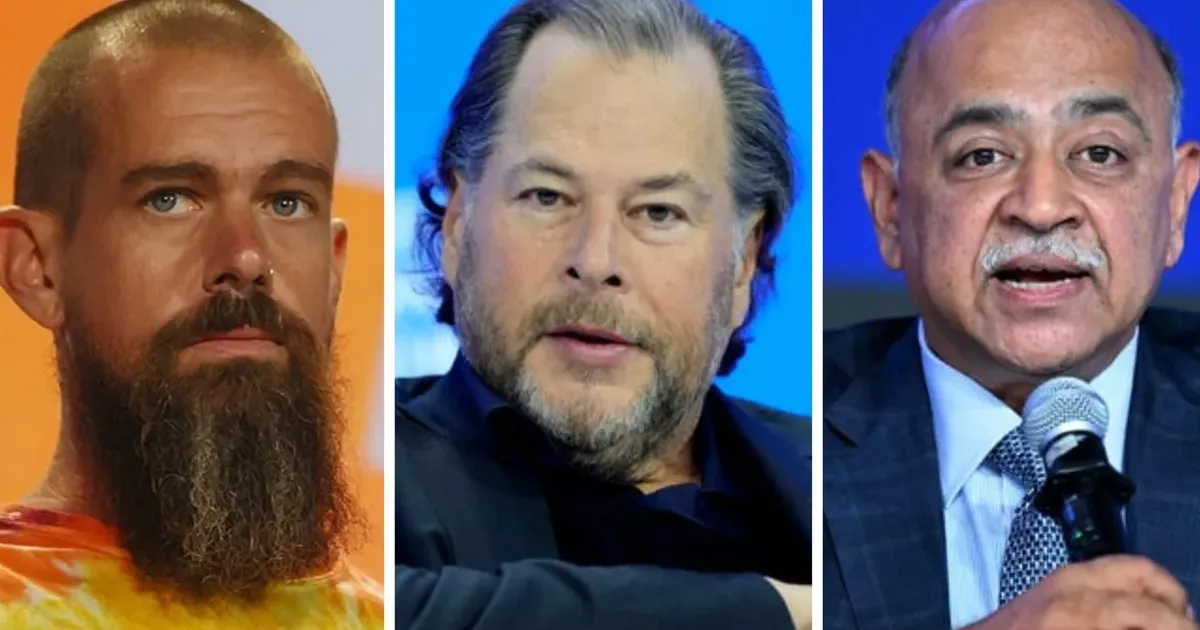
Block's decision to cut more than 4,000 jobs turned Jack Dorsey's AI strategy into a hard operating test rather than a management slogan. The company framed the reduction as part of a move toward leaner, AI-enabled work, betting that smaller teams with stronger tools can move faster than a larger traditional workforce. The scale made the argument impossible to treat as abstract.
Thousands of workers lost jobs while investors were asked to believe the company could become more efficient, more focused and more valuable. That is the central tension of the AI layoff cycle. Executives describe transformation. Employees experience removal. The market can cheer the margin story before anyone knows whether the new operating model actually works.
Block Made AI the Business Case
Many companies cut staff and speak vaguely about efficiency. Block was more explicit about the role of artificial intelligence in reshaping how work gets done. Dorsey argued that intelligence tools had changed the minimum number of people needed to run the business, and that a much smaller company could do more with the tools now available.
The explicit AI case has a market advantage because investors want evidence that AI spending can translate into margins. It also carries a cultural cost. Workers hear the message as a warning that every task may be reviewed for replacement. A company can ask employees to adopt AI tools, but trust becomes harder when adoption is tied so directly to headcount reduction.
The Stock Reaction Is Not Proof
Block shares jumped after the layoff announcement, which showed how quickly markets can reward an AI-efficiency story. But a share-price reaction is not the same as operational proof. The cost savings are visible immediately. The cost of lost knowledge shows up later, in delayed launches, weaker support, compliance mistakes or thinner product judgment.
This is the danger in treating layoffs as evidence of strategy. A company can look more disciplined on a spreadsheet while becoming less capable in the messy parts of the business. Payments, small-business software, Cash App, fraud risk and regulatory work all depend on judgment as well as code.
The ROI Question Has Not Gone Away
The broader corporate AI story is still uneven. Surveys and analyst work have warned that many enterprise AI pilots fail to deliver measurable returns, often because companies buy tools without changing workflows, incentives or training. That makes Block's move risky in both directions.
If AI tools really allow smaller teams to ship faster and serve customers better, the company will look early. If the technology is being used to justify cuts before workflows are ready, the savings may come with slower execution and deeper internal distrust. AI can summarize, automate and accelerate. It does not automatically replace the context held by people who understand messy customers, legacy systems and regulatory constraints.
Layoffs Damage the Adoption Climate
Workers are more likely to use new tools well when they believe the tools will help them do better work. They are less likely to experiment honestly when they believe every efficiency gain will be used against them. That fear can distort behavior inside the company.
Employees may hide useful workflows, avoid documenting improvements or treat AI programs as surveillance rather than support. Leadership therefore matters as much as software. A company cannot automate its way out of a trust deficit, especially after telling the remaining staff that the old headcount model no longer makes sense.
The Bet Is Still Unproven
Block has chosen a high-visibility experiment in corporate shrinkage. If the company grows faster with fewer people, Dorsey will be treated as early to the next operating model. If service, product quality or morale deteriorate, the cuts will look like financial engineering with an AI label.
AI may change the company. It does not excuse weak execution. The winners in this transition will not be the firms that fire the most people fastest. They will be the ones that know which work can be automated, which work still needs judgment and how to keep the remaining workforce from feeling like the next line item.