Brian Cole Jr.'s federal pipe-bomb case is now less a mystery-story headline than an evidence test. A judge has set a February trial for the Virginia man accused of placing pipe bombs near the Democratic and Republican national committee headquarters on January 5, 2021, the night before the Capitol riot. Cole has pleaded not guilty, and prosecutors say he confessed after his arrest.
The case carries political gravity because the devices were found as Washington was already under pressure on January 6. It also carries legal danger because several public theories about the bomber have circulated for years, including claims aimed at people who were later cleared or never charged. The court must decide what evidence a jury may hear, not settle internet suspicion.
The trial date narrows the noise
A February trial date gives the case a real courtroom timeline. The schedule matters because unresolved high-profile investigations often create space for speculation to harden into belief. Once a trial date exists, filings, admissibility rulings and witness limits become more important than cable segments or online claims.
Cole faces serious federal charges tied to explosive devices that did not detonate but were treated by authorities as potentially deadly. Coverage has to keep the seriousness of the charges in view without writing as if an indictment is a conviction. The government still has to prove the charges. The defense still has the right to challenge the government's proof.
Confession evidence needs corroboration
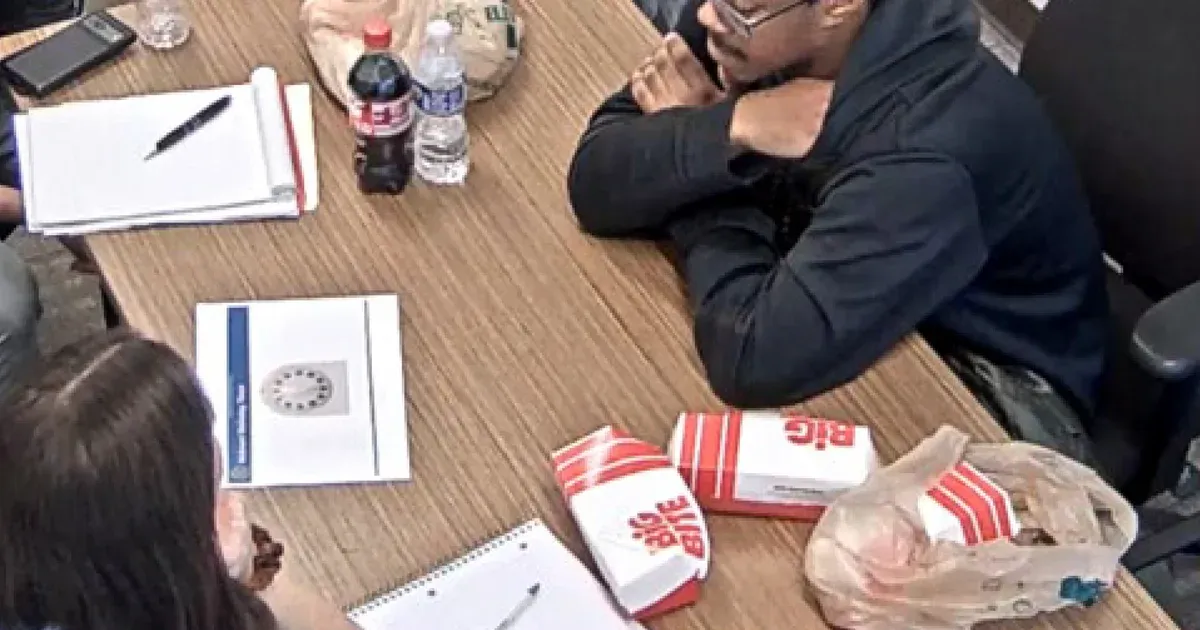
Prosecutors have said Cole confessed to FBI agents. A confession can be powerful, but it is not a shortcut around the rest of the case. Jurors will need to understand how the statement was obtained, what details it contained, whether those details match independent evidence and whether the defense can challenge the statement's reliability.
Defense lawyers may examine the length and conditions of questioning, the information agents supplied, Cole's mental state and the relationship between the alleged statement and physical evidence. Prosecutors will try to show that the confession fits surveillance, phone records, purchases or other admissible material. The verdict cannot rest on a slogan about confession. It has to rest on proof the judge allows and jurors credit.
Third-party theories need a real link
The most sensitive defense issue is whether Cole's lawyers can point toward an alternative suspect theory involving a Capitol Police officer who had previously been falsely identified in public speculation. Prosecutors have objected to using debunked claims without a direct evidentiary connection.
Courts do allow defendants to identify an alternative perpetrator, but the threshold is not rumor. A third-party defense usually needs a concrete connection to the charged conduct. Without a concrete connection, the trial can become a platform for smearing an uninvolved person while distracting jurors from the evidence against the defendant.
The pardon argument lost force
Cole's lawyers also argued that Donald Trump's January 6 pardons should cover him. The judge rejected that theory, finding that the pardons did not apply to the pipe-bomb charges as framed in this case. The ruling keeps the trial focused on the charged conduct rather than turning the case into a broad political fight over clemency.
The dates still explain why the issue was raised. The devices were allegedly placed on January 5 and discovered on January 6 near party headquarters close to the Capitol security crisis. Political proximity, however, is not the same as legal coverage. A pardon defense has to fit the text and scope of the pardon, not the atmosphere around the event.
January 6 context cannot replace proof
The pipe bombs became part of January 6 history because they diverted law-enforcement attention and added fear to an already unstable day. The January 6 context is relevant to public understanding and may shape how jurors understand urgency, target selection and investigative pressure.
Context still has limits. A case can sit near a national trauma and still require ordinary courtroom discipline. The government cannot prove guilt by pointing to the broader riot. The defense cannot defeat the case by invoking distrust of federal agencies. Both sides have to work through records, witnesses, exhibits and rulings.
A clean record protects the verdict
The judge has to keep the trial large enough for a real defense and narrow enough to avoid conspiracy theater. Cole is entitled to challenge the confession, test the physical evidence and present a lawful defense. He is not entitled to turn a criminal trial into a broadcast for unsupported accusations.
The government faces its own burden. If prosecutors want jurors to trust the confession and the investigative chain, they need a careful record that survives cross-examination. A politically loaded case can still produce a verdict people understand, but only if the courtroom stays anchored to admissible proof rather than performance.