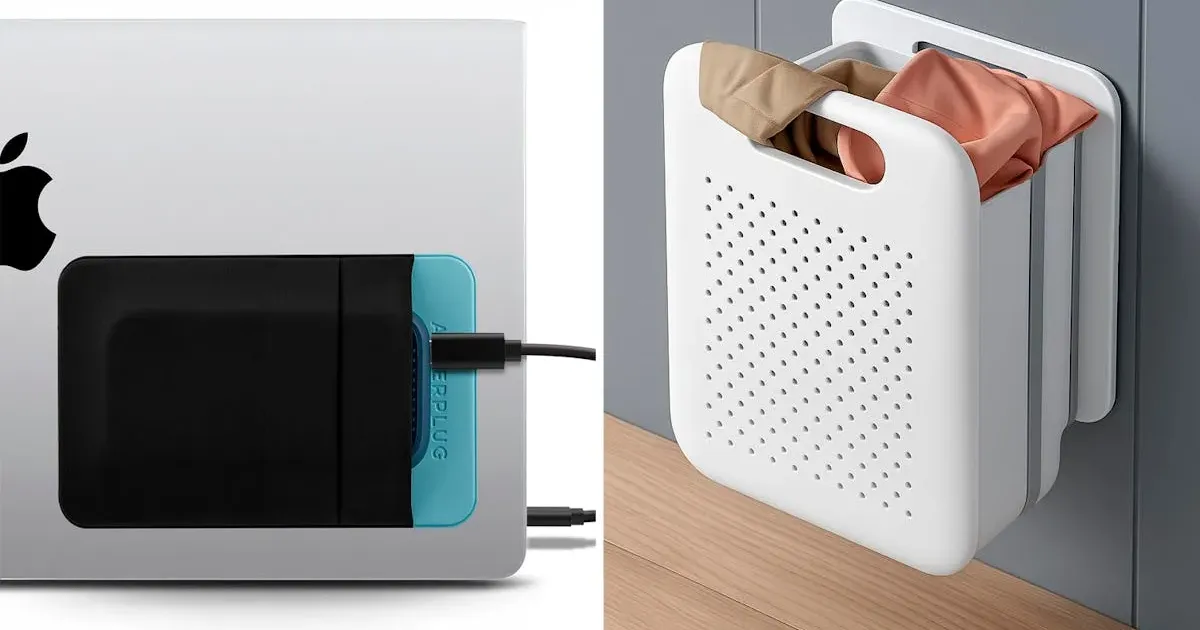
Amazon shoppers are pushing inexpensive home and tech products up the rankings as under-$20 items become low-risk upgrades. The trend reflects a consumer mood built around small comforts, practical gadgets and purchases that do not require a major budget decision. The pattern was reported on April 5, 2026. The appeal is straightforward: a cheap product with thousands of positive reviews feels like a manageable bet. Shoppers may hesitate on furniture, appliances or premium electronics, but they are more willing to try a light, organizer, kitchen tool or comfort item if the price stays low. The under-$20 ceiling also changes shopper psychology, making reviews and return friction more important than brand loyalty.
Reviews Turn Cheap Items Into Safe Bets
Social proof is the engine behind many of these purchases. A product under $20 can still feel risky if the listing looks anonymous, but high review volume lowers that concern. Buyers use stars, photos and comments as a substitute for brand recognition. That pattern benefits manufacturers that can produce simple items reliably at scale. LED components, basic sensors, neoprene sleeves and ceramic kitchen goods have become cheap enough to offer visible utility without premium pricing. The result is a market where modest engineering can feel surprisingly impressive.
Bustle highlighted dozens of highly reviewed under-$20 products as shoppers looked for inexpensive upgrades.
The under-$20 category works because it offers control. Consumers facing higher housing, food or credit costs may still want to improve their homes, routines or workspaces. A small item lets them do that without the guilt or risk of a large purchase.
What Buyers Should Check
Low price does not remove quality concerns. Shoppers should still look for review patterns, clear product dimensions and return policies. Cheap electronics in particular need scrutiny because weak batteries, poor charging components or dim LEDs can turn a bargain into waste. The best under-$20 products solve a specific problem. They organize a drawer, light a closet, protect a cup, hold heat or make a daily task easier. The worst ones rely on novelty that fades after one use. There is still a waste risk. Cheap items can become clutter if they solve no real problem, and glowing reviews do not always reveal durability after months of use. Buyers should distinguish between an inexpensive tool and a novelty product dressed up as a bargain. Amazon's recommendation system amplifies that behavior because it turns shopping into a chain of small discoveries. A shopper looking for one household fix can leave with several more items because each feels inexpensive on its own. That is useful when the products work, but it also makes discipline important. The strongest under-$20 buys are not the cleverest listings; they are the ones that save time, reduce mess or make a routine task easier without creating new clutter.
Review quality matters more than review count alone. Shoppers should look for comments that mention long-term use, clear photos and repeated complaints, not just a high star average. The trend shows that value does not always mean the lowest price. It means a product performs well enough that the buyer does not regret adding it to the cart.