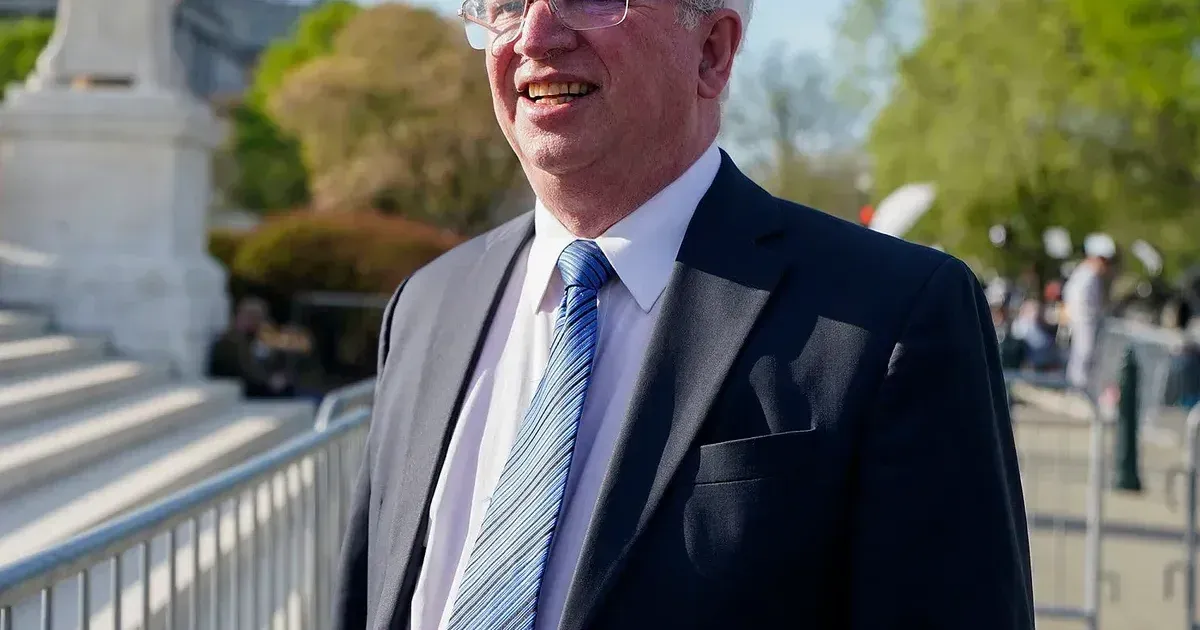
John Eastman's professional fall reached its formal endpoint in California. The case kept 2020 election litigation in legal focus. The ruling also signals that election litigation can carry professional consequences years later. On April 16, 2026, California judicial authorities finalized his disbarment for efforts to overturn the 2020 election results. Judicial officials cited his key role in devising a legal strategy intended to disrupt the peaceful transfer of power. This decision effectively ends the professional standing of an architect who once held meaningful influence over the legal theories circulated within the Trump administration. He plans to seek a review of this ruling before the U.S. Supreme Court.
California State Bar leaders argued that Eastman violated his oath of office by promoting false claims of voter fraud. Evidence presented during the proceedings focused on his memos outlining a six-step plan for the vice president to reject electors. Legal challenges to his credentials have persisted for years, culminating in the revocation of his ability to practice in his home state. His defense team maintains that his actions were within the bounds of eager advocacy for a client.
California Bar Strips Eastman of Legal Credentials
Attorneys representing Eastman argued that the court exceeded its authority by punishing a lawyer for complex legal interpretations. They contend that the judicial system is being used to target political opponents through administrative sanctions. California State Bar records indicate that the investigation into his conduct involved thousands of pages of internal emails and drafts. These documents showed the evolution of the theory that eventually led to the January 6 Capitol breach.
Professional standards for attorneys require an adherence to factual integrity and the preservation of democratic institutions. The court found that Eastman failed both metrics when he pressured election officials across multiple states. Some observers suggest this ruling could influence pending disciplinary cases against other legal associates involved in the 2020 challenges. His primary defense remains focused on the First Amendment rights of legal counsel to propose novel interpretations of the law.
Eastman Legal Fallout
California’s decision draws a line between aggressive advocacy and professional misconduct. Eastman argues that he advanced a novel legal interpretation for a client, while disciplinary authorities concluded that his election claims and pressure campaign violated duties of factual integrity.
The planned appeal to the U.S. Supreme Court will test whether the state process improperly punished protected legal argument or lawfully enforced professional standards. That distinction matters for other attorneys facing discipline over efforts to challenge the 2020 results.
The disbarment does not settle every political argument surrounding the election, but it creates a concrete professional consequence for the legal strategy Eastman promoted. Future review will focus on the record of his conduct and the limits of advocacy rather than the unrelated political controversies that have surrounded the administration.
The ruling may also affect how lawyers document advice in politically charged cases. Novel arguments remain part of advocacy, but professional rules still require attorneys to distinguish evidence from claims they cannot substantiate. That boundary will be central if the Supreme Court or another reviewing body examines whether California applied its disciplinary standards fairly.