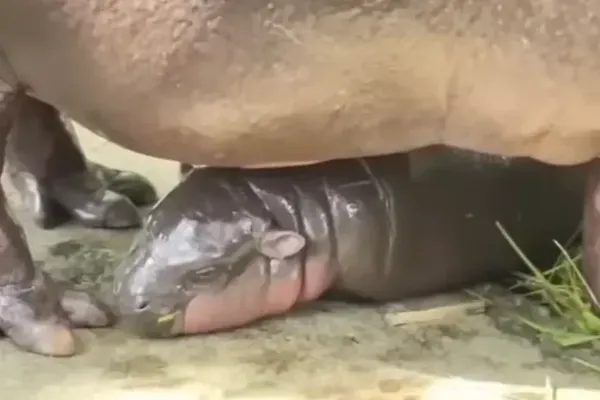
Colombia Authorizes Cull of Escobar's Feral Hippos
Colombia authorized a cull of invasive hippos descended from Pablo Escobar's collection to protect the Magdalena River ecosystem.
Showing 13-24 of 177 articles
Colombia authorized a cull of invasive hippos descended from Pablo Escobar's collection to protect the Magdalena River ecosystem.
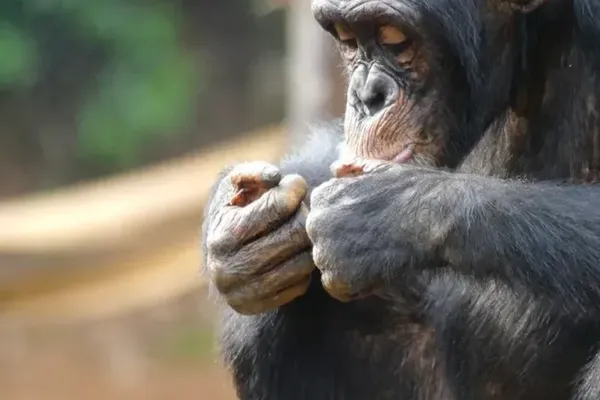
Ngogo chimpanzee research from Kibale National Park links social fracture, territory and coalition violence to conflict roots.
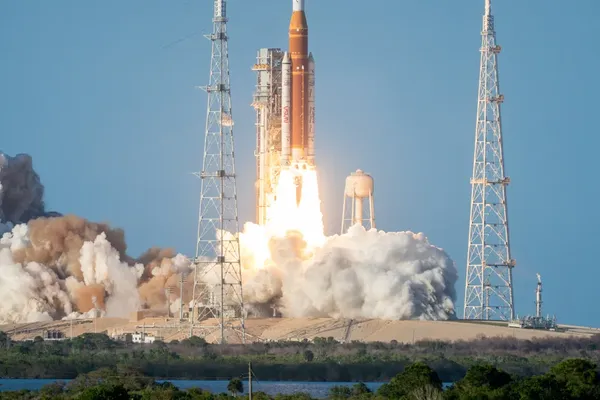
NASA flight controllers in Houston monitored the Orion spacecraft on April 10, 2026, while the four-member crew of Artemis II prepared for a high-speed reentry into Earth's atmosphere.
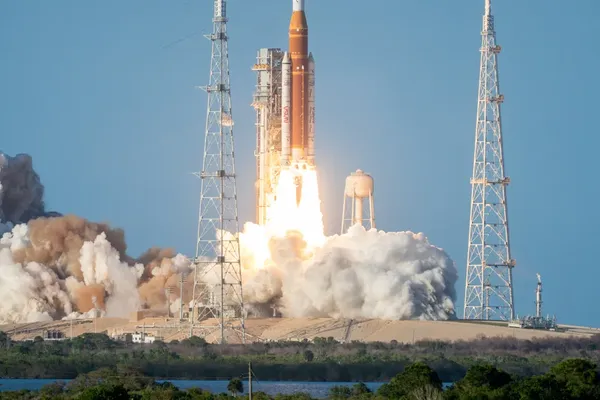
NASA officials announced on April 9, 2026, that the Artemis II crew completed final systems checks ahead of their Pacific Ocean splashdown.
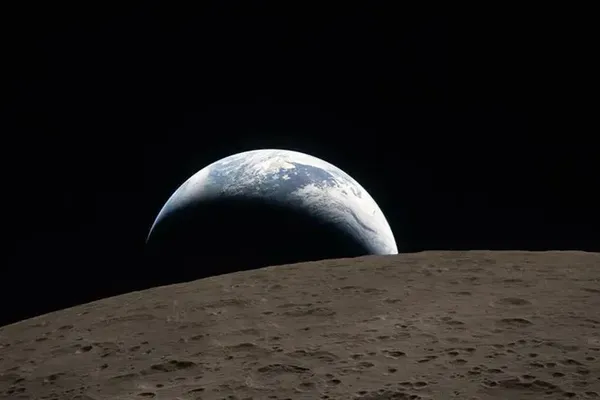
The Artemis II crew began its return from the lunar far side after Orion completed the burn toward Earth, shifting focus to re-entry and recovery.
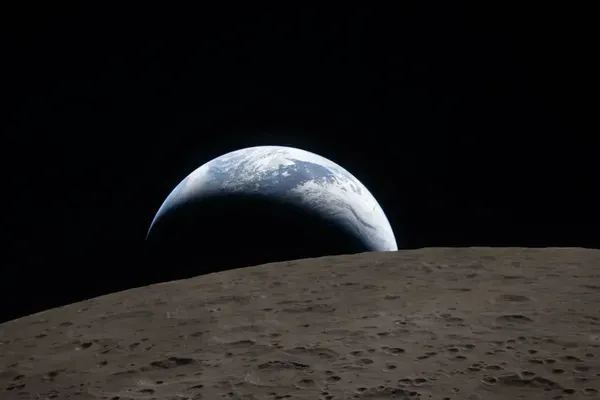
NASA's Artemis II photo release gives the public a rare human view of the lunar far side and mission planners new context for future landings.

Fossils from Southwest China and James Webb Space Telescope observations are pushing scientists to revise the origins of complex life and large planets.
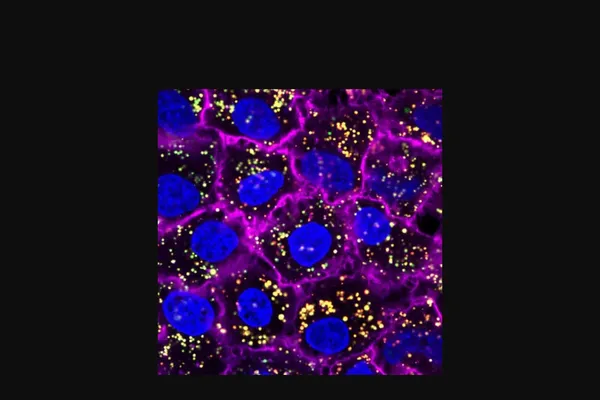
Researchers reported nanomedicine approaches that target tumors directly and may help preserve muscle mass in lung cancer patients.

Artemis II commander Reid Wiseman informally named a far-side lunar crater after his late wife, Carroll Wiseman.

Artemis II astronauts described the practical realities of a 10-day lunar mission, from cramped life-support routines to radiation exposure and Pacific recovery planning.
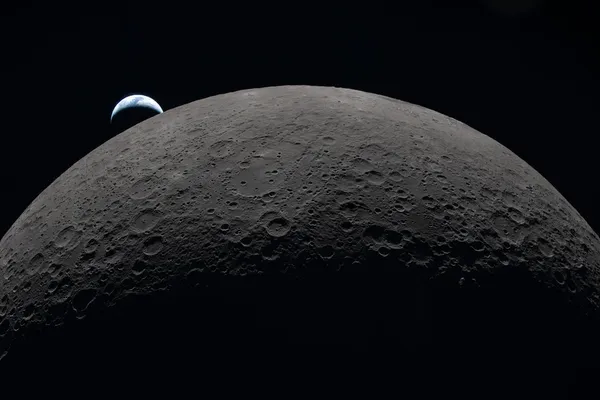
NASA’s Artemis II crew entered the lunar far side blackout zone, testing Orion endurance beyond low Earth orbit.
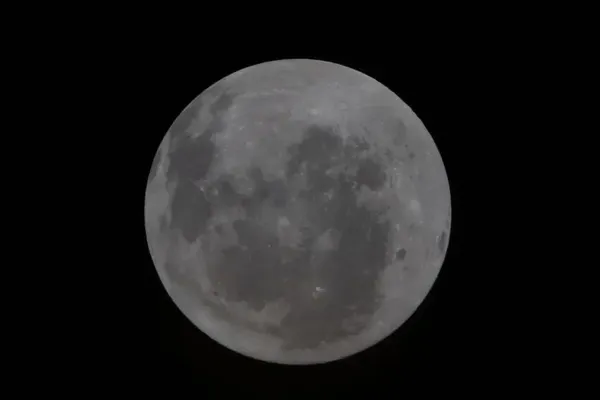
Artemis 2 astronauts used Orion windows to identify lunar maria, testing visual navigation and deep-space observation goals.