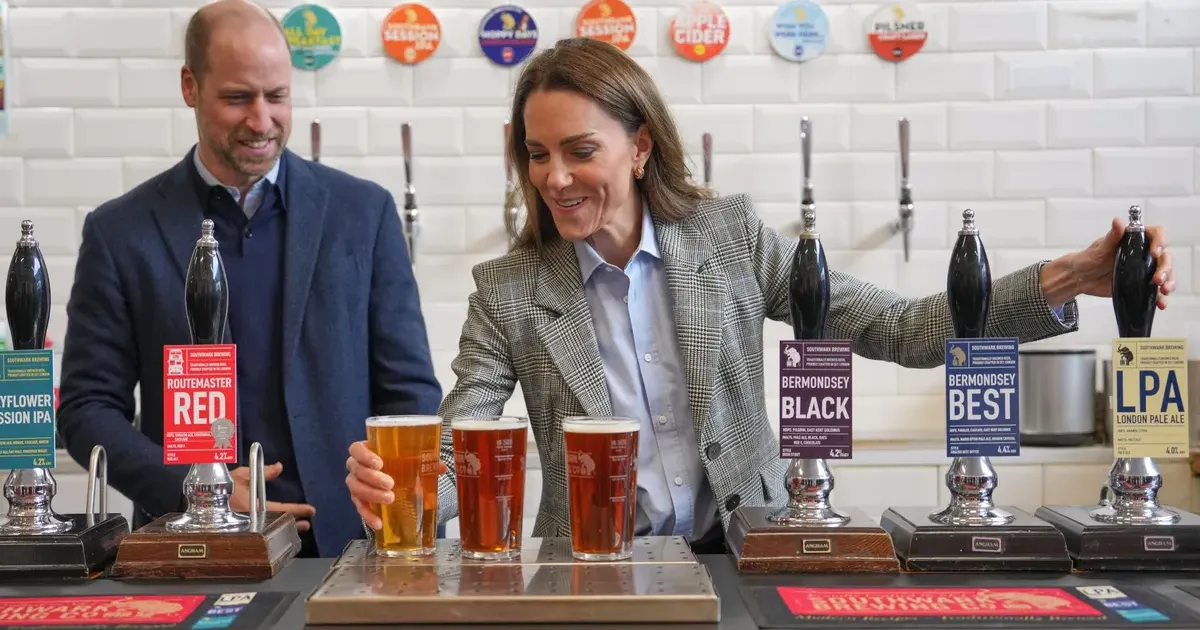
Catherine and William joined cheesemongers at Borough Market, turning a food-focused visit into a small but carefully framed moment of public visibility. The visit drew attention because royal appearances at markets can feel warmer and less formal than events built around speeches or ceremonial duties. By March 12, 2026, the setting mattered as much as the guests. Borough Market gives a visit texture: food, traders, tourists, regular shoppers and the sense of a place that already has its own public life.
Food Craft and Public Warmth
Cheesemongers offer a useful kind of royal encounter because the work is tangible. There are products to taste, questions to ask and craft details that make conversation feel less scripted. That is why Borough Market visit moments often land well. They allow public figures to show curiosity without dominating the setting. For traders, the visibility can be valuable if it highlights skill, sourcing and small-business resilience rather than turning the market into a backdrop.
Why Market Visits Work
Royal visits are most effective when they connect national attention to local work. A market allows that connection quickly because every stall has a story about supply, labor and taste. The risk is performance. If the visit feels too staged, the food and traders become props. If it feels specific, the public sees a real exchange. Catherine and William's presence also brings media reach to businesses that normally rely on foot traffic, reputation and repeat customers.
What It Signals
The visit fits a broader strategy of approachable visibility. Food settings make the monarchy look less distant because they involve ordinary pleasures and practical work. That does not make the event politically neutral. Royal appearances always carry image management, especially at a time when public trust and relevance matter. Still, the strongest version of this kind of visit is simple: listen to traders, respect the craft and let the place remain the story.
The Borough Market setting matters because it gives the visit a different texture from a palace reception. A market is public, sensory and commercial. Cheese stalls, shopkeepers and shoppers create a backdrop that feels rooted in ordinary urban life. Royal visits often work through that contrast. Catherine and William bring institutional visibility, while the vendors provide local specificity. The exchange lets the monarchy appear connected to small businesses without turning the event into a formal speech. Food also gives the coverage a softer frame. A conversation with cheesemongers is easier for audiences to process than constitutional politics or family tension. It creates images of curiosity, taste and informality.
That does not mean the event is trivial. For independent food businesses, even brief royal attention can bring traffic, media clips and international curiosity. Markets depend on reputation, and reputation can be amplified quickly. The visit also reflects how the monarchy manages public presence. Carefully chosen stops allow senior royals to appear approachable while keeping the choreography controlled. The best engagements look casual even when they are planned in detail. Borough Market benefits from that kind of visibility because it already represents a blend of heritage and contemporary London food culture. The royal presence reinforces the market's role as a place where tradition is sold through modern experience.
For Catherine and William, the appearance fits a broader strategy of staying visible through community, craft and local enterprise. It avoids heavy politics while still signaling engagement with public life. The moment will not define the monarchy, but it shows how small appearances can carry symbolic work. A cheese counter becomes a stage for continuity, accessibility and the careful performance of national familiarity.
Cheese also works as a media object because it is specific without being divisive. It allows conversation about producers, regions, aging, taste and small business without immediately pulling the visit into partisan argument. That kind of specificity helps royal coverage feel less generic. Instead of another handshake line, the cameras can focus on craft, humor and the ordinary rituals of buying food in a crowded market.
For the monarchy, public engagement often depends on finding settings where formality can soften without disappearing. A market visit offers that balance: visible enough to matter, informal enough to feel human. For the traders, the best outcome is attention that sends people back to the stalls rather than attention that uses the market only as scenery.
The visit also shows why everyday settings remain useful to public figures. A market allows people to approach, vendors to explain their work and cameras to capture moments that feel less formal than a stage-managed address. That informality has limits, but it can still carry value. When handled well, a brief stop at a food stall can make public duty look connected to ordinary commerce rather than sealed off from it. That is why small, specific engagements can carry more warmth than larger ceremonial appearances.