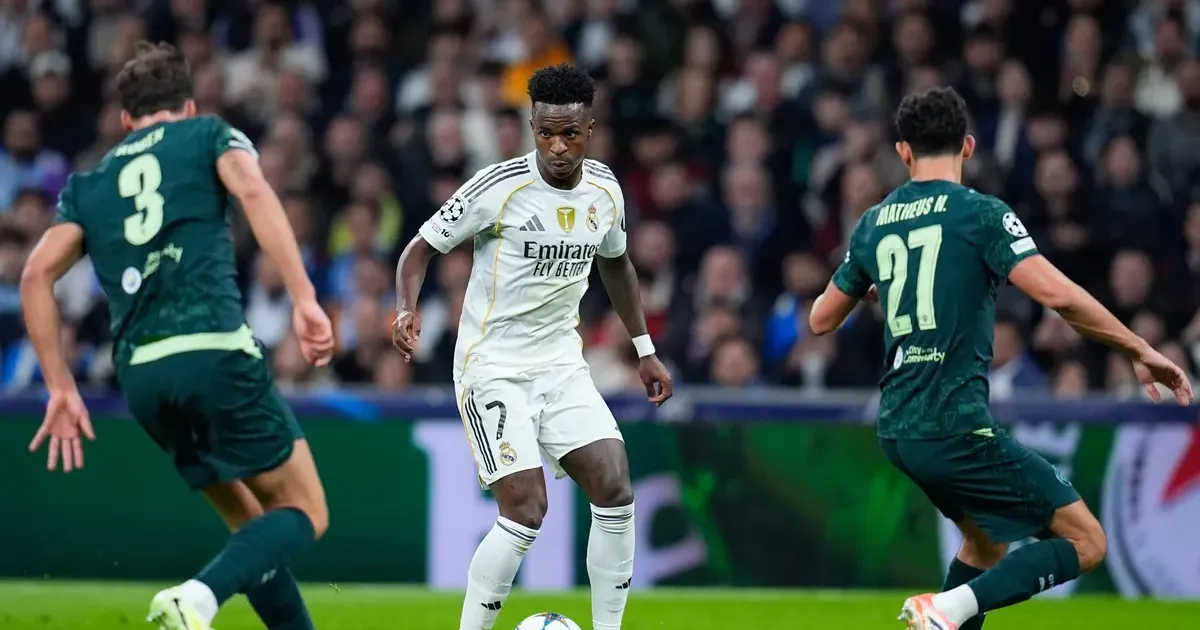
Real Madrid and Manchester City meet in Madrid with another Champions League knockout tie carrying sporting and commercial pressure. By March 11, 2026, the fixture mattered beyond the scoreline because it brings together two clubs that define different eras of European power. Madrid lean on tournament memory, transitional speed and emotional control at home. City rely on possession, structured pressing and the ability to pin opponents inside their own half. The match also highlights how difficult elite football has become for ordinary supporters to watch. Broadcast rights divide the same event into separate national packages, each with its own price, app and blackout rule. Fans in one market may face a premium subscription while viewers across a nearby border can see selected matches through a public broadcaster. That uneven access has become part of the modern Champions League experience. On the pitch, Madrid will try to protect central spaces before springing wide runners into the channels behind City fullbacks. City will look for long spells of control that prevent Madrid from building the emotional rhythm that often carries the home side through European nights. The first goal will matter, but so will the response to long periods without the ball.
Madrid and City Renew a Modern European Rivalry
The rivalry between these clubs has become one of the Champions League's defining matchups. Madrid have repeatedly shown that a poor spell in open play does not remove them from a knockout tie. Their forwards can turn a loose pass into a decisive transition, and their midfielders understand how to slow a match when the stadium begins to tilt. Manchester City bring a different form of pressure. Their best matches are built on territorial control, not chaos. Guardiola's side usually tries to make opponents defend for long enough that concentration breaks before the final pass arrives. Against Madrid, that approach carries risk because committing too many players forward can expose the space that Madrid attack best. The tactical question is whether City can dominate without losing rest-defense balance. Madrid will not need many clean chances to change the tie. A turnover near midfield, a diagonal run and one sharp finish can undo twenty minutes of patient City possession.
Broadcast Rights Shape the Supporter Experience
For global viewers, the match is also a case study in football's fragmented media market. Paramount Plus, TNT Sports, DAZN, Stan Sport and public broadcasters all sit inside a rights structure that changes by territory. The result is a confusing map for fans who want one legal way to follow the competition. That fragmentation explains why virtual private networks and regional stream searches appear around major fixtures. The core issue is not only price. It is the feeling that access to the same match depends less on loyalty than on geography, licensing and platform contracts. UEFA and broadcasters benefit from territorial auctions, while fans manage the complexity.
Rights holders argue that premium fees fund production quality and the wider football economy. Supporters counter that the system has become too costly and too scattered. Both arguments can be true at once, which is why the access debate now follows every high-profile European night.
First Leg Management Could Decide the Tie
The first leg will reward patience as much as ambition. Madrid cannot allow City's possession game to trap them too deep for long stretches, but reckless pressing would open passing lanes into the box. City cannot treat sterile control as a victory if it leaves Madrid close enough to strike late.
Set pieces, substitutions and late-game fatigue could decide the margin. Madrid's home advantage is real, but City have enough technical quality to quiet the stadium if they control tempo. The team that manages transitions better will leave with the more useful result.
For supporters, the broader frustration remains that watching the match is almost as complicated as analyzing it. The Champions League sells itself as a global event, yet access still depends on local rights contracts. That tension is now part of the story whenever football's biggest clubs meet.
That commercial layer does not replace the football story, but it changes how the match is experienced. A supporter may understand the tactical stakes and still be locked out by a rights package that changes from one country to the next. The same fixture can feel like a civic event in one market and a premium add-on in another.
For Madrid and City, that global attention is part of the pressure. Every sequence is clipped, priced and debated across several platforms before the final whistle. The winning side will gain an advantage in the tie, but the match will also renew the larger argument over whether elite football is becoming harder for loyal fans to access.
The practical outcome is that the sporting product and the media product can no longer be separated. Supporters judge the night by goals, but also by whether the system allowed them to watch without friction.