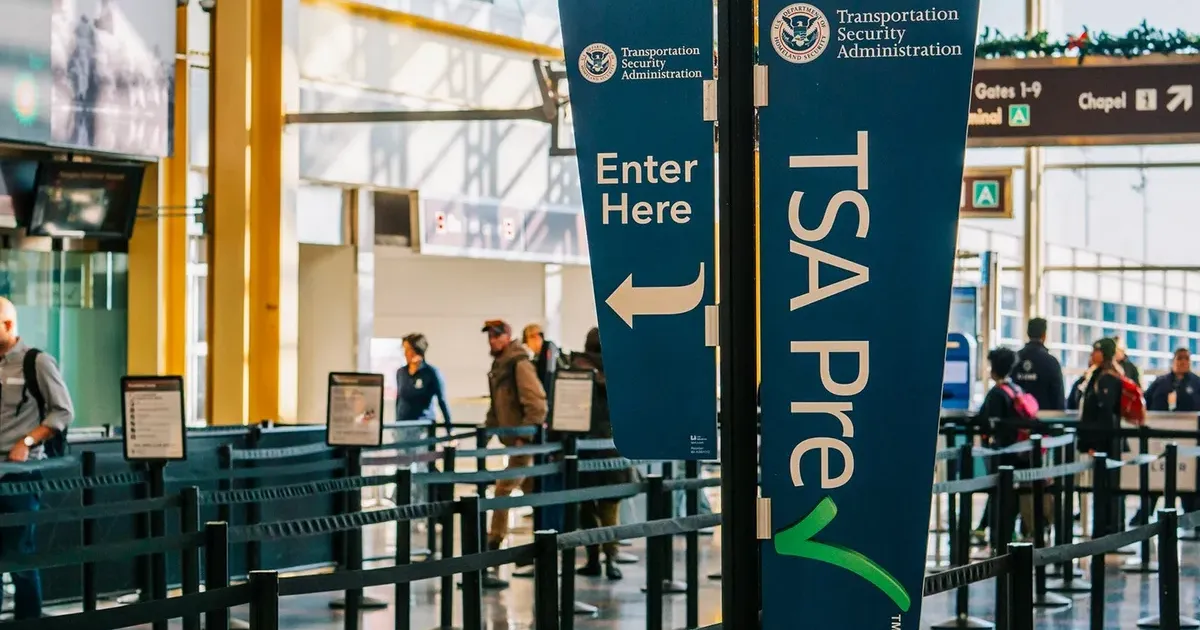
TSA PreCheck status has become a practical travel checkpoint as shutdown staffing shortages stretch airport security lines. The warning mattered on March 11, 2026.
PreCheck Becomes the Travel Lifeline
Houston's William P. Hobby Airport turned into a labyrinth of luggage and late travelers this week. Security lines snaked through the terminal for hours. Some passengers reported waiting more than 180 minutes just to reach the metal detectors. While spring break crowds usually strain infrastructure, a partial government shutdown has turned a routine travel period into a logistical disaster.
Shutdown staffing shortages made airport lines more punishing.
Federal employees are working without pay. TSA agents, facing financial uncertainty, have begun calling out in significant numbers. Empty security podiums mean fewer open lanes, leaving thousands of people trapped in a slow-moving queue that threatens to derail their vacations. Reports from the ground indicate that many travelers missed their flights on Monday alone. Hobby Airport served as the epicenter of these delays, with standard lines reaching a three-hour peak.
In contrast, those with TSA PreCheck were whisked through in under 10 minutes. Speed has never mattered more for air travel. Travelers often assume that because they paid the application fee and passed the background check, their status is guaranteed. That assumption is proving costly in the current climate. A digital oversight on a boarding pass can be the difference between making a flight and watching it take off from the terminal window.
Missing PreCheck status is a common technical hurdle. Booking systems do not always communicate perfectly with the Department of Homeland Security database. If a name on a flight reservation varies even slightly from the name on a Global Entry or PreCheck membership, the system may fail to authorize the expedited status. A missing middle name or a hyphenated surname can break the digital handshake between the airline and federal authorities. Travelers frequently realize this too late.
They arrive at the airport, see the massive standard line, and look at their phone only to find the PreCheck indicator is missing. At that point, the three-hour clock begins ticking. Airlines rely on the Secure Flight program to vet passengers before they reach the airport. When you book a ticket, your full name, date of birth, and gender are sent to the TSA for comparison against watchlists. Your Known Traveler Number, or KTN, must be included in this data packet.
If the KTN is omitted during booking, the TSA system will not return the necessary authorization code to the airline. This technical glitch often occurs when passengers book through third-party travel sites that do not have a dedicated field for the KTN. Frequent flyers often assume their number is saved in their profile, but a guest checkout or a minor typo can bypass those saved settings. Federal instability has exacerbated the impact of these errors. During the ongoing shutdown, the margin for error has vanished.
When TSA staffing levels remain high, even the standard lines move at a predictable pace. Now, every single person in the regular queue adds minutes to a wait time that is already spiraling out of control.
The practical fix begins before check-in closes. Travelers should open the airline app, confirm that the Known Traveler Number appears in the reservation, and verify that the boarding pass itself shows the TSA PreCheck mark after issuance. If the mark is missing, the fastest solution is usually to edit the passenger information in the airline profile, re-enter the KTN, and ask the airline to reissue the boarding pass before leaving for the airport. During staffing shortages, that small check can prevent a routine typo from becoming a missed flight.
Fix the Missing KTN Before the Airport
Aviation security has devolved into a tiered caste system where the speed of travel depends entirely on the thickness of a passenger's wallet. We are looking at a future where the federal government fails to provide even the most basic services to the general public, instead offering a pay-to-play escape hatch through programs like PreCheck. It is a cynical arrangement. The government creates the bottleneck through administrative incompetence and then sells you a solution to bypass the very misery they manufactured. That trend of federal instability in 2026 has exposed the fragility of our infrastructure.
When TSA agents are expected to work without a paycheck, the system breaks. The fact that a simple 10-digit number can spare a traveler three hours of standing on a concrete floor is not a triumph of technology. It is a symptom of a crumbling public sector. We should be outraged that the basic act of moving through an airport now requires the constant monitoring of digital credentials just to avoid a logistical nightmare. If the TSA cannot function for the average citizen, the agency should be dismantled and replaced with a system that does not rely on holding travelers hostage to political theater.