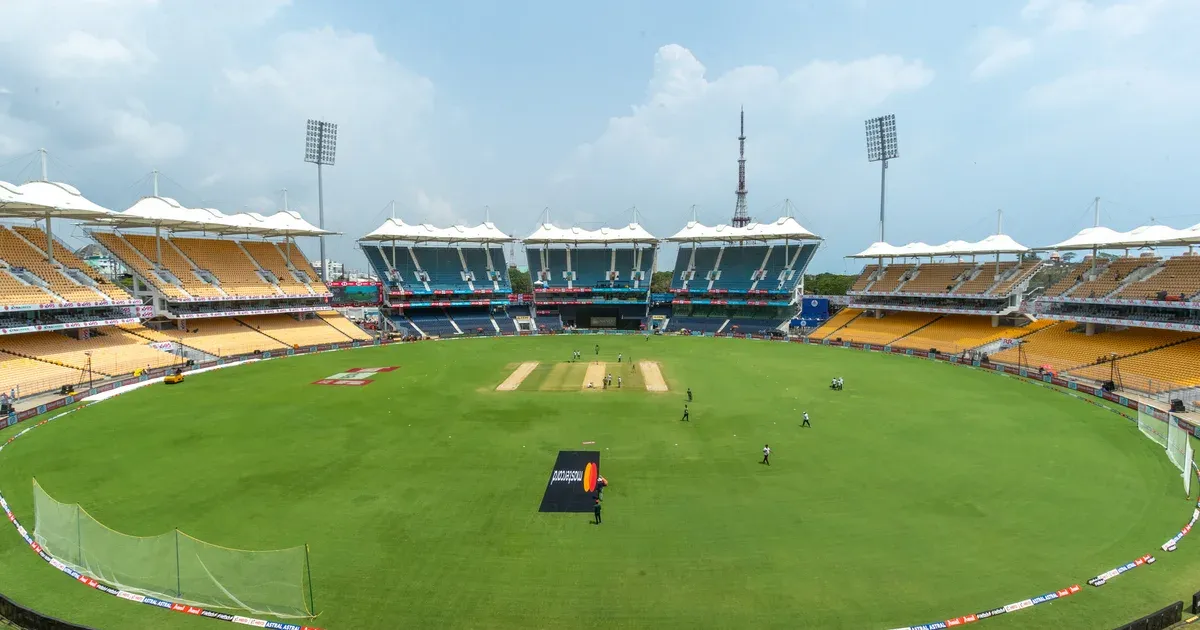
Chennai Super Kings enter the IPL 2026 opener with former-captain drama, broadcast money and cricket politics surrounding the first match.
IPL 2026 Opens Around Legacy Drama
Mumbai officials at the Board of Control for Cricket in India (BCCI) finalized the opening fixtures for the 2026 Indian Premier League this week, setting the stage for a tournament that has evolved into a global financial juggernaut. Fans across the subcontinent anticipate a clash between the Chennai Super Kings and a rival led by one of their own former captains. The fixture drama sharpened on March 11, 2026, as BCCI scheduling decisions turned the opener into a commercial event. Speculation regarding the exact matchup has dominated digital discourse since NDTV reported that the first batch of fixtures would favor legacy rivalries designed to maximize broadcast viewership.
Broadcasters like Disney Star and Viacom18 have invested billions into these three-hour windows of entertainment, making the 2026 schedule less about sport and more about optimized revenue cycles. Cricket operates as the singular gravity well for Indian advertising capital. Marketing executives expect the 2026 season to break previous records for spot-rate pricing, driven by a growing middle class with increasing disposable income. Brands that once focused on domestic commodities now use the IPL to launch global tech platforms and luxury vehicles. Security remains tight around the BCCI headquarters as the final list of venues undergoes rigorous inspection.
Local municipalities compete for the right to host these matches, knowing that a single night of cricket can inject millions into a city's hospitality sector. Economic analysts at Bloomberg note that the league's valuation continues to climb despite global inflationary pressures. This year's league is a test of the sustainability of current franchise valuations, which have soared toward the billion-dollar mark for top-tier teams. Investors from private equity firms in London and New York are watching closely, looking for signs that the bubble might finally be nearing its limit. Yet, the demand for tickets suggests that the appetite for live cricket remains insatiable.
Broadcast Money Shapes the Fixture List
Every delivery carries a commercial calculation. Religious devotion and sporting excellence converged recently when the World Cup trophy made a high-profile tour of Indian temples. This specific controversy erupted after public figures took the silverware to places of worship to seek divine blessings. Actor and politician Khushboo Sundar defended these actions vigorously, claiming the trophy belongs to all of India and should be celebrated in any way the public sees fit. Sundar argued that cricketers frequently express personal gratitude through faith, and the trophy is a symbol of national achievement rather than a purely secular object.
Critics argue that mixing religious ceremony with international sporting honors risks alienating minority communities, but Sundar insists the win is a matter of national pride above all else. Indian cricket has never been a secular affair in the strictest sense. Players often touch the pitch in reverence before a match, and many carry personal talismans into the crease. Sundar's comments highlight a growing trend where national sporting success is tethered to cultural identity. While some intellectuals in New Delhi call for a separation of stadium and shrine, the majority of the fanbase appears to embrace the fusion.
Times of India reports indicate that temple visits involving sports stars often draw larger crowds than the matches themselves, creating a unique intersection of celebrity and spirituality. Sundar's defense of the trophy's temple visits suggests a rejection of Western secular standards in favor of a homegrown cultural synthesis. National pride, she suggests, is not a sterile concept but a living, breathing expression of the country's diverse belief systems.
Faith, Politics and Cricket Mix Again
Such sentiments resonate deeply with the IPL's core demographic. Fans see no contradiction in praying for a six or a wicket, and the 2026 season will likely see similar displays of piety from both players and spectators. The commercial machinery of the IPL has even begun to incorporate these elements into its pre-match rituals and advertising campaigns. Nationalism serves as the primary engine for the IPL's massive cultural footprint. Politicians from all major parties recognize that an endorsement from a cricket icon is worth more than a dozen campaign speeches.
This scheduling maneuver by the BCCI, placing high-profile matches in swing regions or politically significant cities, rarely happens by accident. Government officials often enable fast-track visa processes for international stars to ensure the league's quality remains unrivaled. Security forces are frequently diverted from other duties to manage the enormous crowds that gather outside team hotels and training grounds. Power dynamics within the BCCI reflect the broader political environment of the country. Decisions about stadium upgrades and tournament expansion are often influenced by the shifting alliances of state-level cricket associations.
New Delhi's influence over the sport is absolute, and the 2026 season is expected to be used as a platform to showcase India's infrastructure development to a global audience. The modernization of stadiums in second-tier cities remains a top priority for the board, as they seek to tap into new markets far beyond the traditional hubs of Mumbai and Chennai.
Why the IPL Is Bigger Than a Schedule
Sporting purists often hallucinate about a world where the pitch remains a neutral sanctuary, free from the taints of commerce and political posturing. The reality in 2026 is that the Indian Premier League has become a monstrous mirror of the nation's own chaotic ambitions, where divine intervention and decimal points carry equal weight. We see a league that no longer seeks to merely entertain but to dominate the psychological environment of an entire hemisphere. To complain about the religious overtures of politicians like Khushboo Sundar or the naked greed of the BCCI is to misunderstand the project entirely. This is not just a game, and it stopped being one the moment the first billion-dollar broadcast deal was signed.
The IPL is the ultimate expression of modern Indian soft power, a loud and colorful assertion of dominance that demands the world's attention. Skepticism toward its commercial excess is valid, but dismissing its cultural significance is a mistake. As the 2026 season approaches, the boundary between the sacred and the profane will continue to blur until it vanishes altogether. If you are looking for the soul of the sport, do not look in the boardroom or the temple, look at the millions of people who have decided that this spectacle is the only thing that truly matters.