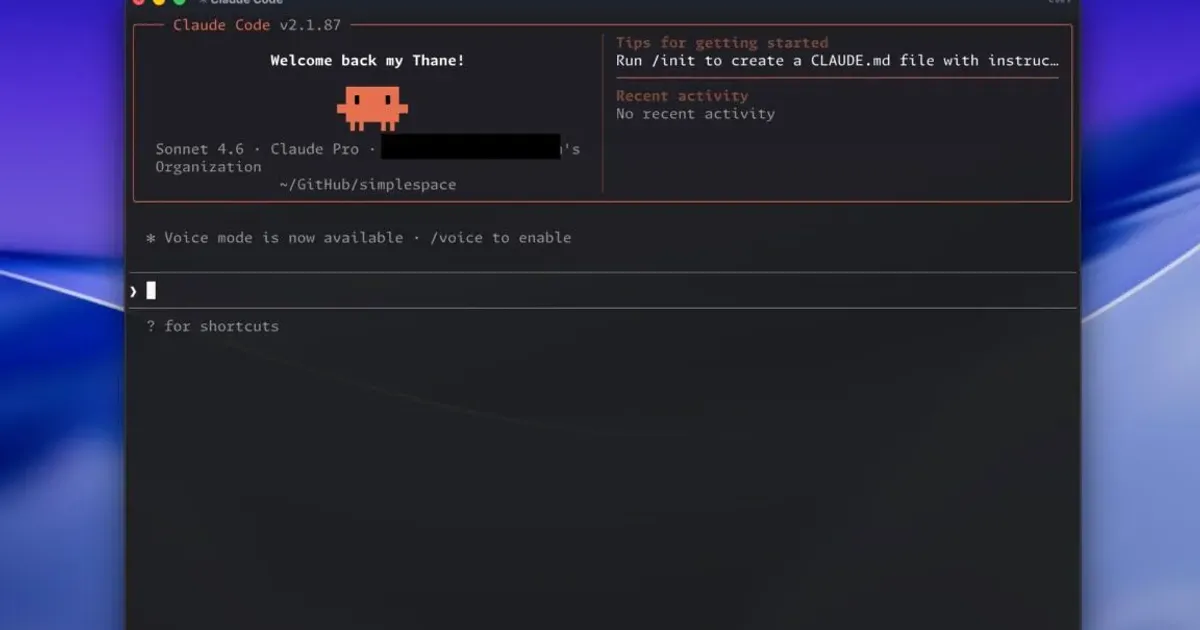
The Claude Code source leak was not a model breach, and the distinction matters. Public reports said Anthropic's Claude Code npm package version 2.1.88 shipped with a large source-map file that exposed readable TypeScript for the command-line coding tool. Customer data and Claude model weights were not the story. The story was the developer tooling around the model, and how quickly one release artifact became a supply-chain event.
The mistake was small in form and large in consequence. A source map is normally a debugging convenience, connecting bundled JavaScript back to the original authored code. When shipped with sensitive production software, it can become a readable blueprint. In this case, reports described a roughly 59.8 MB map file and more than 512,000 lines of unobfuscated source across about 1,900 files.
The Source Map Was the Exposure
Source maps are not exotic. They are common in JavaScript development because they help engineers debug minified or bundled code. The risk is that production publishing has to separate helpful build artifacts from what belongs in a public package. The production boundary failed here.
Security researcher Chaofan Shou publicly flagged the exposure, and developer channels spread the finding quickly. Once source code is mirrored to GitHub, copied into archives and discussed across forums, removal becomes containment rather than recovery. Anthropic could pull or replace the npm version, but it could not make every copy disappear.
It Was Not the Same as Model Theft
The leak did not hand outsiders Claude's weights or training data. It did not automatically give competitors a working model. It exposed the code that wraps the model into a developer agent: command handling, permission flows, prompts, context management, terminal behavior, file-access logic and product choices.
The exposed tooling is still valuable. A coding agent is not just an API call. It is a set of decisions about how software should ask permission, inspect projects, edit files, run commands, remember context and recover from mistakes. Those decisions are competitive work. They also give security researchers and attackers more material to study.
The Malware Risk Came After the Leak
The second-order risk was not only that people could read the source. It was that threat actors could use the story as bait. Security firms reported fake or repackaged leak repositories claiming to offer modified Claude Code builds, unlocked enterprise features or no-limit versions. Those lures are attractive because developers are exactly the audience most likely to download code quickly.
The fake repositories turn a corporate embarrassment into an endpoint risk. A developer who pulls a random leaked fork may not be studying Anthropic's architecture; they may be installing a password stealer, downloader or remote-access tool. For companies, the safest rule is simple: do not install unofficial leak builds, and treat any mirror promising premium features as hostile until proven otherwise.
The Release Pipeline Failed a Basic Check
AI companies often talk about model safety, but developer tools create their own security perimeter. Npm publish rules, npmignore files, artifact scanning, package-size checks, CI gates, release approvals and rollback procedures all matter. A strong model-governance story does not help if the release pipeline ships the wrong file.
The practical audit should go beyond deleting the map. Teams need to ask why the artifact was included, why automated checks did not reject it, who had publishing permission, how quickly the package was replaced and whether secrets, telemetry paths or infrastructure assumptions appeared in the code. Even when no credentials are exposed, internals can guide future attacks.
Competitors Learned Product Shape
The competitive risk is quieter but real. Public analysis of the code pointed to unreleased or experimental features, memory behavior, agent-control logic and internal comments about product direction. Rivals do not need a perfect copy to benefit. They can learn what Anthropic prioritized, what it avoided and which workflows it believed made a coding agent useful.
The exposed product thinking does not mean the leak destroys Claude Code's advantage. Fast-moving tools change often, and execution still depends on infrastructure, model quality, distribution and trust. But proprietary product thinking is part of the moat. Once it is public, the moat gets thinner.
AI Tools Are Software Supply Chains Now
The security lesson is that AI companies are also package publishers, endpoint-software vendors and supply-chain targets. Their products run inside developer machines, touch source trees, call shells and handle secrets-adjacent workflows. That makes release hygiene part of safety, not a back-office detail.
The Claude Code leak showed how quickly a routine npm release can expose engineering work and create downstream malware bait. The model did not leak. The trust boundary around the model did. For an AI coding agent, that boundary is where users live.