Sildenafil produced encouraging results across patient-derived neural cells, brain organoids and animal models of Leigh syndrome, followed by clinical observations in six people who received the drug off label. The research identifies a serious treatment candidate, but it is not a completed clinical trial and does not establish efficacy.
The study was published in Cell on March 11, 2026. Leigh syndrome is a genetically diverse mitochondrial disorder that can cause developmental regression, seizures, muscle weakness, metabolic crises and respiratory failure. No medication was approved specifically for the condition when the findings appeared.
A 5,632-Compound Screen Identified Sildenafil
Researchers generated neural cells from induced pluripotent stem cells derived from people with Leigh syndrome and screened 5,632 compounds that could potentially be repurposed. Phosphodiesterase type 5 inhibitors emerged as leading candidates, and the team prioritized sildenafil because of its existing clinical use and safety data in other conditions.
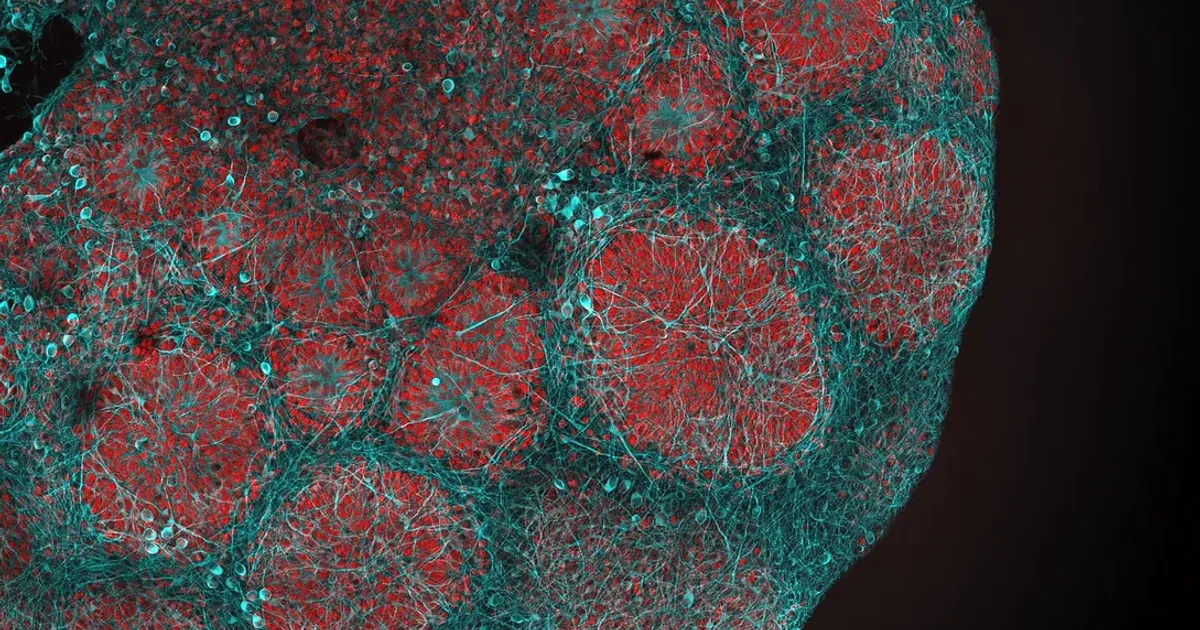
In the patient-derived cells, sildenafil corrected defects in mitochondrial membrane potential and restored pathways involved in neurodevelopment. Tests in three-dimensional brain organoids also found normalized calcium responses under the study conditions.
Those models are more disease-specific than a generic cell line, but they still cannot reproduce an entire patient's metabolism, organ interactions or long-term clinical course. Their value is in selecting a candidate for further testing, not declaring a treatment.
Animal Models Extended the Evidence Chain
The researchers then tested sildenafil in small and large mammalian models of Leigh syndrome. The primary paper reports longer survival and improvement in disease features across those models.
In an Ndufs4 knockout mouse model, treatment reduced neurological decline, improved measures of energy use and lessened cardiac abnormalities. The work also linked the response to signaling involving cGMP-dependent protein kinase 1, known as PRKG1.
Animal survival is an important preclinical result, but it is not a forecast of how many years a child might gain. Leigh syndrome can arise from many genetic causes, and a model built around one defect cannot represent every patient's disease.
Six Off-Label Cases Were Not a Controlled Trial
Six patients with Leigh syndrome caused by MT-ATP6 variants received sildenafil as individualized off-label compassionate treatment. The study reported improvements in motor function and resistance to metabolic crises, and institutional reports said the drug was well tolerated in this small group.
There was no random assignment, placebo group or blinded assessment. Six selected cases also cannot separate a treatment effect from differences in disease course, supportive care, dosing or clinical judgment. The observations are a signal that justifies a trial, not proof that sildenafil works.
The European Medicines Agency granted sildenafil orphan drug designation for this development program. That designation can support research into a rare condition; it is not marketing authorization and does not certify safety or efficacy for Leigh syndrome.
The Next Claim Must Come From a Real Trial
At publication, the research consortium was planning a multinational placebo-controlled study. That distinction matters because the original headline described clinical trials as though they were already testing the drug, while the published human evidence consisted of six off-label cases.
A useful trial will need prespecified measures that families can recognize: motor function, metabolic crises, hospitalization, respiratory support, daily function and survival. Biomarkers can explain mechanism, but they cannot substitute for clinical benefit.
Sildenafil can lower blood pressure and interact with other medicines. The participating institutions explicitly warned that people with Leigh syndrome should not receive it without strict specialist supervision. Existing pediatric use for another condition does not establish the right dose or benefit-risk balance here.
Repurposing is a credible discovery strategy, but the standard of proof does not shrink with the patient population. The laboratory-to-organoid-to-animal sequence is unusually strong, and six patients add a reason to proceed. If those observations are promoted as a treatment before a controlled trial, however, hope becomes the evidence the study still lacks.