April Fools' Day used to give brands a simple bargain: lie for one day, make the lie obvious enough, and hope the audience enjoys being in on it. In 2026 that bargain looked weaker. T-Mobile, Yahoo, Timekettle, Elgato and other companies pushed fake products and joke announcements into feeds already crowded with AI images, engagement bait and real product launches that often sound fake on their own.
The low-trust setting does not mean every corporate prank failed. Some were harmless, and a few understood their own audience well enough to stay light. The larger problem is that brand humor now enters a more suspicious environment. Consumers are less willing to give companies attention for a setup that leads nowhere.
The Best Jokes Still Know the Product
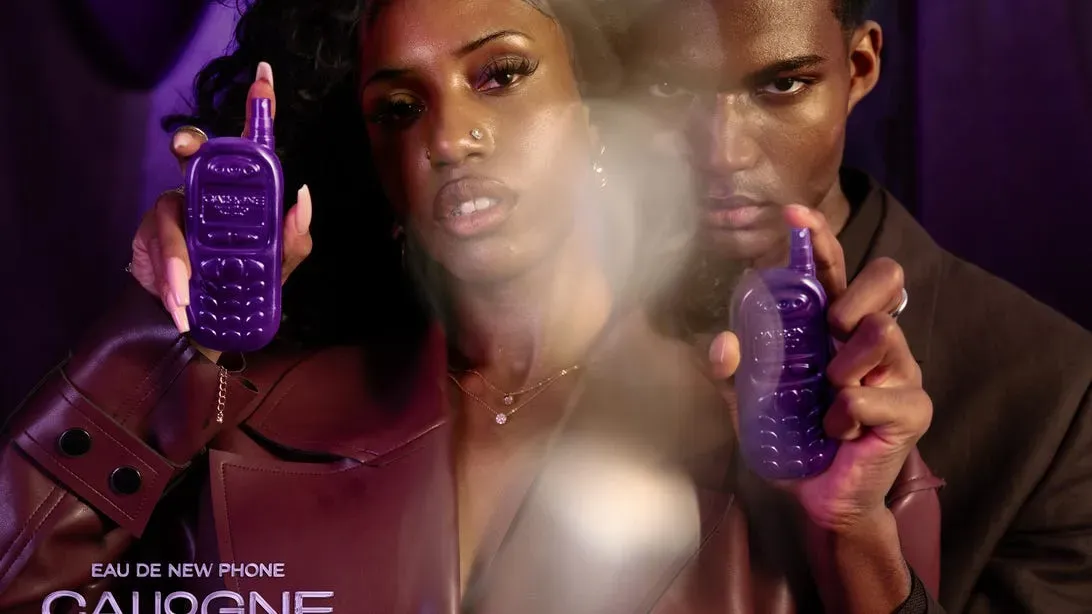
The safest April Fools ideas usually start from something the audience already understands about the brand. Metro by T-Mobile's CALLoGNE gag worked in that familiar way: take telecom language, push it into an absurd fragrance frame, and make the joke easy to recognize before anyone has to think too hard.
Elgato's fake hardware-style humor sat in similar territory. Its audience expects accessories, desk gear and streamer tools, so an exaggerated add-on can feel like an inside joke rather than a random stunt. The more a prank grows out of the real product world, the less it feels like an agency pasted a logo on a meme.
Product fluency is the difference between a joke and brand noise. A good prank rewards people who know the company. A weak one simply asks everyone else to stop scrolling.
Yahoo Touched a Real Frustration
Yahoo's Scroll Stoppr joke was trickier because doomscrolling is not a throwaway problem. People really do feel trapped by news feeds, alerts and the empty habit of checking one more update. A fake tool for that problem can be funny, but it also risks sounding like the company is teasing a need it does not intend to solve.
April Fools marketing often often turns sour. If the fake product addresses a real pain point, the laugh has to be unusually sharp. Otherwise the message becomes that the company knows what bothers users and turned it into content. For many people, that is not a joke. It is another reminder that their attention is the product.
Tech Satire Is Harder Than It Used to Be
Timekettle's language joke and other tech-company pranks had to deal with a strange 2026 reality: actual products are already bizarre. Translation earbuds, AI copilots, niche creator hardware, smart-home add-ons and subscription features keep making the line between satire and launch announcement thinner.
Believability can help a joke at first. Believability gives satire some bite. But it also creates cleanup work. If users need to check the date, read the comments or wait for a clarification, the brand has spent a little trust to buy a small laugh.
For a hardware or software company, that is not free. Customers already worry about vaporware, abandoned features and exaggerated AI claims. A fake preorder page or mock announcement can land badly when people are trying to figure out which promises are real.
The Audience Has Less Patience for Bait
The old April 1 rule assumed everyone knew the game. That assumption is weaker now. Users see misleading thumbnails, staged outrage, fake screenshots and joke posts that become real only if enough people engage. A corporate prank has to compete with all of that baggage.
The pattern explains why many consumers react less to the individual joke than to the pattern. They are tired of being baited into caring. They are tired of brands treating mild confusion as a valid marketing tactic. They are tired of every calendar date becoming a reason to interrupt them.
The burden has shifted. A company cannot simply say everyone should relax because it is April Fools. It has to make the joke worth the interruption.
Trust Is More Valuable Than the Click
The clean standard for 2026 is simple: if the prank would annoy customers on any other day, April 1 does not rescue it. Humor works when the company respects the audience's time, stays close to its own world and makes the falseness clear before anyone feels tricked.
There is still room for corporate April Fools jokes. A good one can show personality, reward loyal users and give a brand a short burst of cultural visibility. But the margin is smaller than it used to be, especially for companies whose real products already require trust, data, subscriptions or repeated attention.
the best April Fools strategy may be restraint. Ship something real. Fix something customers complain about. Make the service easier to use. In a low-trust feed, an imaginary product is not automatically charming; sometimes it is just one more thing people have to ignore.