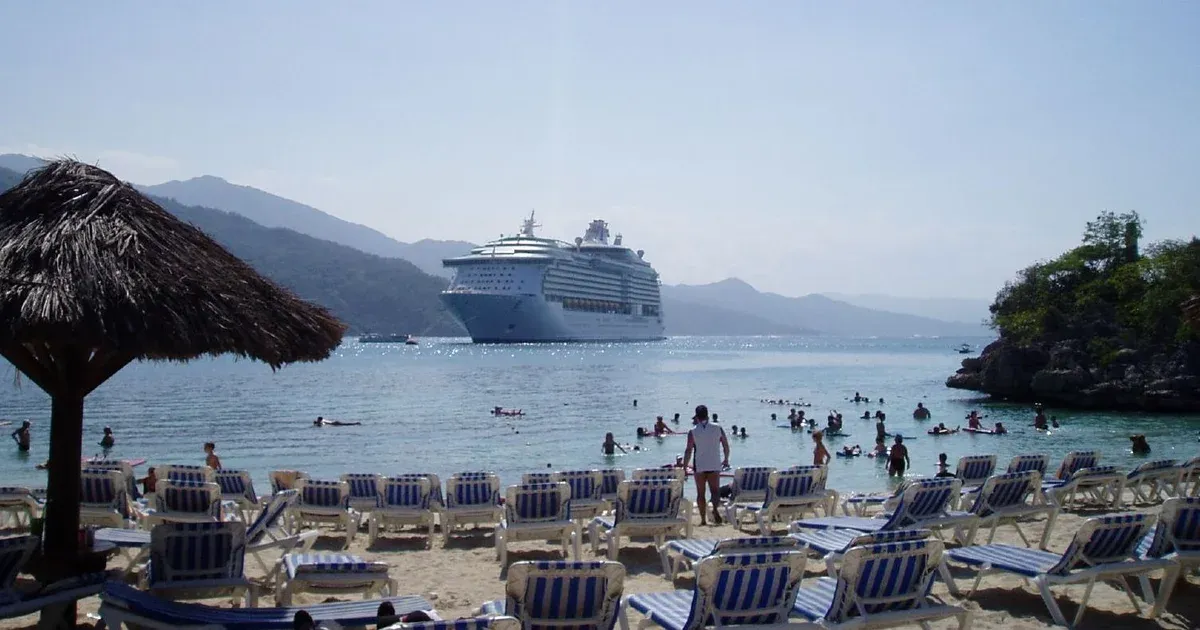
Cruise lines and luxury resorts are fighting for the same vacation budgets, and the comparison is no longer as simple as ship versus shore. On March 12, 2026, that competition reflected a travel market where comfort still sells, but value has to be explained. Travelers are looking at all-in pricing, excursions, food, drinks and flexibility before deciding where a week away makes more sense. Cruises can look cheaper at first glance because lodging, transport and many meals are bundled. Resorts can look easier because the destination stays fixed and the daily rhythm is predictable. Vacation budgets now force travelers to compare the total trip, not the headline rate.
Bundled Pricing Has Limits
A cruise fare may include a cabin and basic dining, but specialty restaurants, drink packages, shore excursions, Wi-Fi and gratuities can change the bill quickly. Families often discover the real price only after adding the extras they actually want. Resorts face the same scrutiny. A luxury property may advertise all-inclusive ease, but premium activities, transfers, spa services and seasonal fees can narrow the gap with cruise pricing.
Experience Shapes the Choice
Cruises offer variety. A traveler can wake up in different ports, see multiple destinations and rely on a ship's entertainment schedule. Resorts offer depth, especially for guests who want one beach, one room and fewer decisions. Cruise lines are trying to win guests who want convenience without sacrificing novelty. Resorts are defending the idea that stillness and service are worth paying for. The winner often depends on the traveler. Families may value kids' programming and food variety. Couples may prefer resort privacy. Multigenerational groups may choose whichever option reduces planning conflict. Travel value is becoming more personal as families compare convenience, flexibility and the true final bill.
The travel industry likes clear categories, but consumers increasingly build trips around tradeoffs. Some will pay more for fewer surprises. Others will accept add-ons if the itinerary feels richer. That is why both sectors are adding tiers, packages and loyalty perks. They are not only selling vacations; they are trying to make the math feel manageable before the credit card comes out. Inflation has made that comparison sharper. A family may still want a premium trip, but it is more likely to ask which option controls surprise costs. Cruise companies answer with bundles, loyalty perks and private-island experiences. Resorts answer with destination depth, room upgrades and the promise that guests will not spend the week checking schedules.
The competition also depends on airfare. A cruise from a convenient port can save money for some travelers, while a resort package can win if flights, transfers and meals are wrapped into one predictable price. Neither category has a universal advantage. The better value depends on how a traveler actually spends: drinks, excursions, childcare, dining preferences and tolerance for crowds. That is why comparison shopping is becoming more detailed. Travelers are not rejecting luxury; they are asking luxury providers to make the total cost honest. The strongest comparison starts with behavior, not brochures. A traveler who wants to explore several islands may get more value from a cruise, while someone who wants long quiet days may waste money paying for mobility they do not need.
Travel advisers are increasingly useful in this environment because the advertised price rarely tells the whole story. A good adviser can compare fees, inclusions and likely spending patterns before a guest commits. As prices rise, honesty becomes a competitive advantage. Companies that make costs legible may win trust even when they are not the cheapest option. The price fight may also change how companies advertise. A resort that once led with luxury may now lead with inclusions, while a cruise line may emphasize predictability and onboard credits. That shift shows how even affluent travelers are asking harder questions. They still want comfort, but they want fewer financial surprises attached to it.
For families, the deciding factor may be control. Cruises offer many activities in one floating system, while resorts offer fewer transitions and less pressure to keep moving. That makes the value question personal rather than universal, which is why both industries can keep growing even as they compete. That small difference can decide which trip feels like a bargain after the final bill arrives.