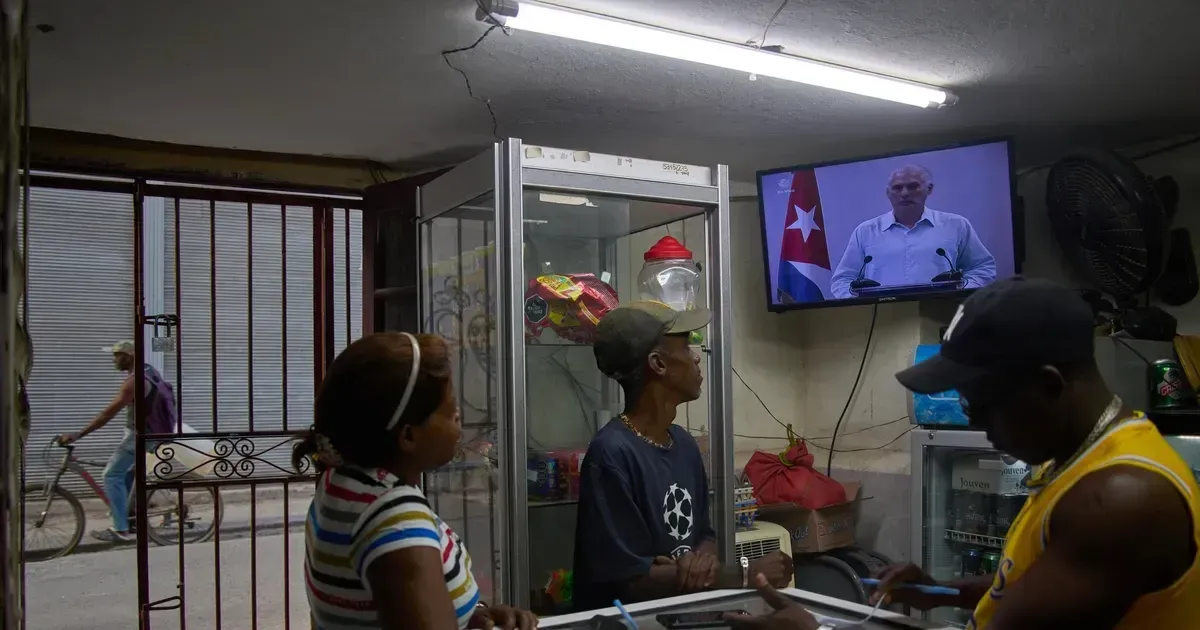
Havana sits in total darkness today as the island nation faces a systemic collapse of its electrical infrastructure and a depleted treasury. Electricity failed across the capital and outlying provinces last week, leaving approximately six million citizens without power for basic needs. A grid failure has left millions without power and pushed Havana into emergency talks with The Trump administration. President Miguel Diaz-Canel confirmed Friday that his administration has entered direct negotiations with the White House to address the growing humanitarian crisis. This diplomatic pivot follows years of economic deterioration and a total cessation of fuel deliveries from traditional allies. Negotiations are now a matter of survival. Meanwhile, Miguel Diaz-Canel addressed the nation via state radio to explain the severity of the blackout. Residents had spent days without gas, television, or digital communication. Street scenes in Havana revealed a city paralyzed, with garbage fires providing the only light in some neighborhoods. Fuel shortages have become so acute that the government cannot maintain the minimum frequency required to keep the national grid online. The president described the current situation as a knot of adversity that has become unsustainable for the 8.9 million people living on the island.
Blackouts Force Havana Into Talks
The energy deficit effectively shuttered schools and businesses for more than a month.
Prisoner Releases Open a Channel
The diplomatic atmosphere shifted sharply following the recent release of 51 prisoners from Cuban facilities. Human rights organizations, including Prisoners Defenders, noted that at least five of these individuals were high-profile political detainees. The move is widely interpreted as a gesture of good faith intended to enable the opening of talks with US representatives. Prison conditions in Cuba have faced intense international scrutiny, particularly during the recent months of resource scarcity. Release orders were signed just hours before the announcement of the bilateral negotiations.
Diaz-Canel said more than three months had passed since a fuel ship entered the country, leaving the government to work under extremely adverse conditions affecting every citizen.
According to reports from Havana, the prisoner release was a condition established by US negotiators during preliminary back-channel communications. the Trump administration has maintained a policy of maximum pressure while leaving a narrow window for transactional diplomacy. The Cuban government has had to balance its revolutionary image with the pragmatic need for American oil. The trade-off involves immediate humanitarian aid versus long-term political reform. The skepticism among the Cuban populace remains high. Many citizens believe that the current negotiations are a temporary measure to preserve the regime rather than a step toward genuine reform. History suggests that diplomatic thaws between Washington and Havana are often fragile and subject to sudden reversals. Even the immediate need for electricity outweighs almost all other political considerations for the average resident of Havana. The collapse of the grid has made the cost of isolation visible to every household.
Fuel Shortage Narrows Cuba Choices
The decision to engage with the Trump administration reflects a fear of domestic unrest. Cacerolazos, or pot-banging protests, have broken out in several neighborhoods despite the heavy presence of state security forces. Students in Havana have organized assemblies to voice their frustration with the lack of transport and the suspension of classes. Protests of this nature are rare and indicate a level of public desperation that the government can no longer ignore through propaganda alone.
Havana remains a city of shadows and silence. In particular, the rural provinces have suffered even longer outages than the capital, with some areas reporting 20 hours of darkness per day. At the same time, the government has struggled to contain rumors regarding the health of senior leadership and the stability of the military. The absence of visible military patrols in some sectors has led to an increase in opportunistic crime. Economic activity has shifted almost entirely to the black market, where prices for fuel and bread have tripled in a week.
Survival has become the only priority for the aging leadership in Havana. The lack of transparency fueled widespread rumors about a total collapse. While some hardliners within the party oppose any deal with Donald Trump, the reality of the empty treasury has silenced most dissent. Negotiations are expected to continue through the weekend, with the primary focus on securing an immediate shipment of fuel to restart the main power plants. The outcome of these talks will determine whether the island enters a period of managed transition or slips further into a humanitarian catastrophe. Havana's streets remain empty of cars as the population waits for a sign of light.
A Fuel Deal Will Not Fix the System
Washington holds the main bargaining power over a regime that has run out of both fuel and time. While some analysts view the 2026 negotiations as a repeat of the Obama-era thaw, the context here is fundamentally different. It is not a dialogue born of mutual optimism, but a desperate transaction between a failing state and a transactional American president. Donald Trump is not seeking to transform Cuban society through soft power; he is likely looking for a quick win that stabilizes the region and halts a potential mass migration wave before it starts. The release of political prisoners is a necessary trophy for the White House, but it does little to address the structural rot of the Cuban command economy. If the Trump administration provides a lifeline without demanding deep, irreversible market reforms, it will only be subsidizing the survival of a communist relic. The Cuban people are now being used as collateral in a high-stakes game of energy diplomacy. Providing fuel might turn the lights back on in Havana, but it will not fix the broken system that allowed them to go out in the first place.
We should be skeptical of any deal that prioritizes short-term stability over the absolute necessity of a post-communist transition.