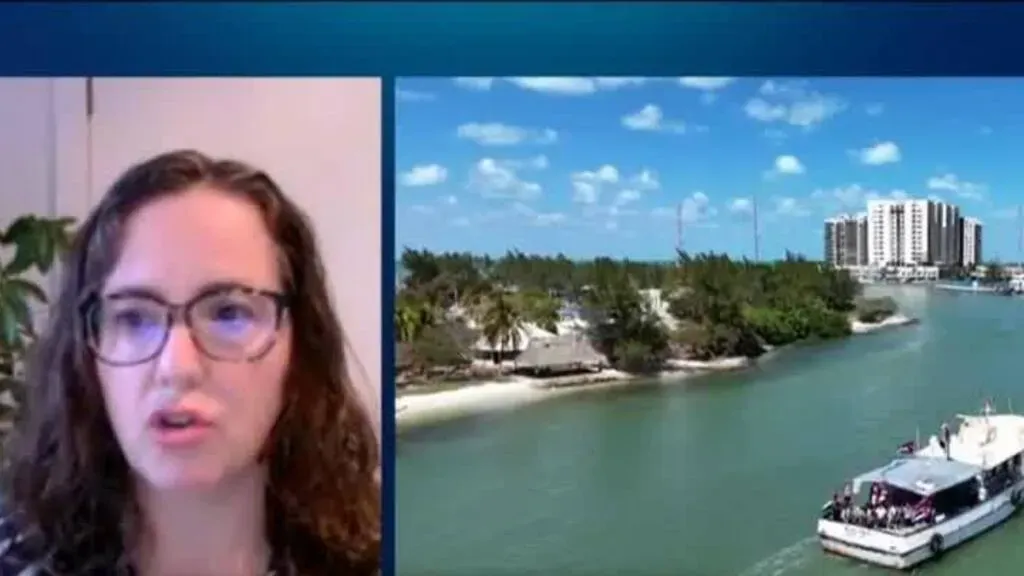
Cuba's power grid failing twice in one week turns an infrastructure problem into a national credibility test. the Cuban power grid was being judged through the second collapse and its effect on hospital power. A second collapse damages trust because families and businesses have already adjusted once and then been pushed back into emergency routines. Hospitals, refrigeration, water pumps and communications cannot plan around a system that keeps failing. The government now has to explain what broke, what was repaired and why the repair did not hold. Cuba's power grid collapsed twice in one week, deepening pressure on households and businesses. Repeated failure points to structural weakness rather than a single outage. The government faces a credibility problem if repairs cannot hold. Regional partners will watch whether the crisis triggers wider economic strain. A second grid collapse turns technical failure into public distrust. Hospitals, refrigeration and water pumps cannot plan around promises that fail within days, so the next repair has to prove more than a temporary patch. A grid that fails twice forces people to plan around uncertainty, and that uncertainty reaches hospitals, food storage and water systems quickly. For households, the second collapse makes planning almost impossible. Food storage, water pumps and hospital power cannot depend on repairs that fail again.
Fuel supply, aging equipment and maintenance capacity all sit behind the public frustration. The crisis also gives foreign partners leverage if Havana needs parts, financing or emergency support.
Trust will return only if the next repair holds. The public will judge the repair by the next outage, not the announcement.
The second collapse makes every technical explanation sound weaker. Families can tolerate one emergency if repairs hold; they lose faith when the same grid fails again. The government now has to explain fuel supply, equipment age and maintenance capacity in terms people can test in their own homes.
The second collapse changes how people hear every repair promise. Hospitals need power, shops need refrigeration and households need water pumps, so a grid failure becomes more than inconvenience. Havana now has to show whether the problem is fuel, maintenance, equipment age or a deeper failure of planning.
Infrastructure Stakes
The second collapse damages confidence because residents have already adjusted once and then been forced back into emergency routines. Refrigeration, water pumps, hospitals and small workshops all depend on electricity that cannot keep failing every few days.
Cuba's grid problem is also a diplomatic issue. If the government cannot stabilize generation, it may need more outside fuel, parts or financing, which gives foreign partners leverage at a moment when domestic patience is thin.
Cuba's second grid collapse makes every repair promise weaker. Hospitals, refrigeration, water pumps and communications cannot wait for a political explanation. Havana now has to show whether the failure is fuel, aging equipment, maintenance capacity or a deeper planning problem that will return again.
Repair Promises Face a Credibility Test
The second collapse makes every technical explanation weaker. Families can tolerate an emergency if repairs hold; they lose trust when the same grid fails again. Havana now has to show whether the problem is fuel, equipment age, maintenance capacity or planning.
Regional Stakes
The failure is not just technical once the grid collapses twice. A government can ask for patience after one outage; after the second, every promise starts to sound like another temporary patch.