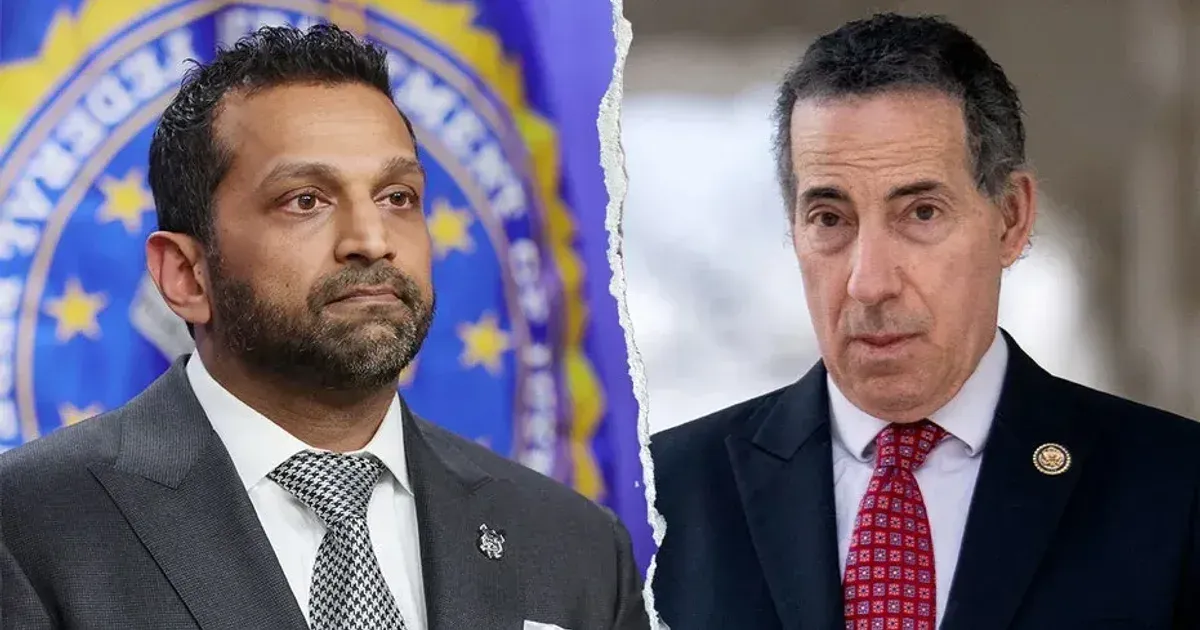
On March 16, 2026, House Democrats demanded alcohol testing for Kash Patel, escalating a personnel fight into a broader argument over oversight, fitness and political retaliation. The demand reflects the way confirmation-style scrutiny now follows powerful national-security figures even outside traditional Senate proceedings. Committee staff were already preparing follow-up questions.
The immediate dispute centers on whether lawmakers have credible grounds to request testing or whether the demand is a political tactic aimed at damaging Patel. Republicans are likely to describe it as a smear. Democrats will frame it as a question of judgment and operational responsibility.
Oversight Turns Personal
Congress has broad authority to ask questions about officials who handle intelligence, law enforcement or defense matters. That authority becomes more controversial when the inquiry moves from policy choices to personal conduct. Testing demands carry a reputational cost even before any result exists.
For Democrats, the argument is that sensitive posts require a higher threshold of public assurance. For Patel’s allies, the issue is selective enforcement. They will ask whether similar demands would be made of officials aligned with the other party.
Congressional oversight works best when requests are specific, documented and tied to official duties. If the evidence is thin, the demand may weaken the investigators more than the target.
Patel Remains a Polarizing Figure
Patel’s public profile has long been tied to fights over intelligence agencies, Trump-era investigations and claims of institutional bias. That history guarantees that any oversight request will be read through partisan lines. Supporters see him as a reformer. Critics see him as a loyalist willing to politicize sensitive institutions.
The alcohol-testing demand therefore becomes more than a health or conduct question. It is a proxy for whether Patel can be trusted with authority and whether Democrats are using oversight for legitimate inquiry or political theater.
The Standard of Proof Matters
The next step depends on what Democrats can document. If they provide specific incidents, witnesses or official concerns, the request may gain traction. If they rely on insinuation, Republicans can turn the issue into an example of investigative overreach.
The better institutional path is narrow. Lawmakers can request records, ask for testimony and press agencies on fitness standards without treating accusation as conclusion. That distinction matters in a political environment where process is often the only remaining source of legitimacy.
Alcohol Test Demand Tests Oversight Standards
For now, the demand puts Patel back at the center of a familiar fight: whether national-security oversight can be separated from partisan identity. The answer will depend less on the headline than on the evidence lawmakers are prepared to show. That evidence question will shape the next phase. If Democrats have internal complaints, travel records, security concerns or witness accounts, they will need to move from accusation to documentation quickly. Otherwise, the demand risks looking like a personal attack dressed up as oversight.
Patel’s allies will almost certainly use that opening. They can argue that Democrats are lowering the standard for public allegations because they dislike his politics. The fight also matters beyond one person. Once Congress normalizes personal testing demands for political figures, the tool can be used by either party. That does not mean it should never be used. It means the threshold should be clear, tied to official duties and strong enough to survive when the parties trade places. Oversight loses force when it appears to be improvised for a single target. Agencies caught between Congress and a political appointee will also have to move carefully. Career officials may be asked for records, but they must protect medical privacy, personnel rules and classification boundaries.
That can slow the process and create another layer of suspicion. A disciplined committee would define the standard it is applying before demanding a result. Is the concern substance use on duty, missed briefings, erratic decision-making or a broader fitness question? Those are not interchangeable claims. The more precise the inquiry becomes, the easier it is to judge fairly. The more general it remains, the more it looks like an attempt to keep a damaging allegation alive without proving it. The political incentive is to keep the fight loud. The institutional incentive is to make it narrow. If Democrats want the demand to survive scrutiny, they need to connect it to a defined standard for sensitive public service. If Republicans want to defend Patel effectively, they need to answer the standard rather than only attack the motive. The issue will not be settled by outrage. It will be settled by whether the request looks like oversight that would apply to anyone in the same role. The dispute will also test committee discipline. A hearing built around insinuation will harden partisan lines. A hearing built around standards, dates and agency rules could clarify what Congress expects from people entrusted with sensitive national-security responsibilities. That threshold is what keeps oversight credible.
In practice, that means evidence first and rhetoric second.