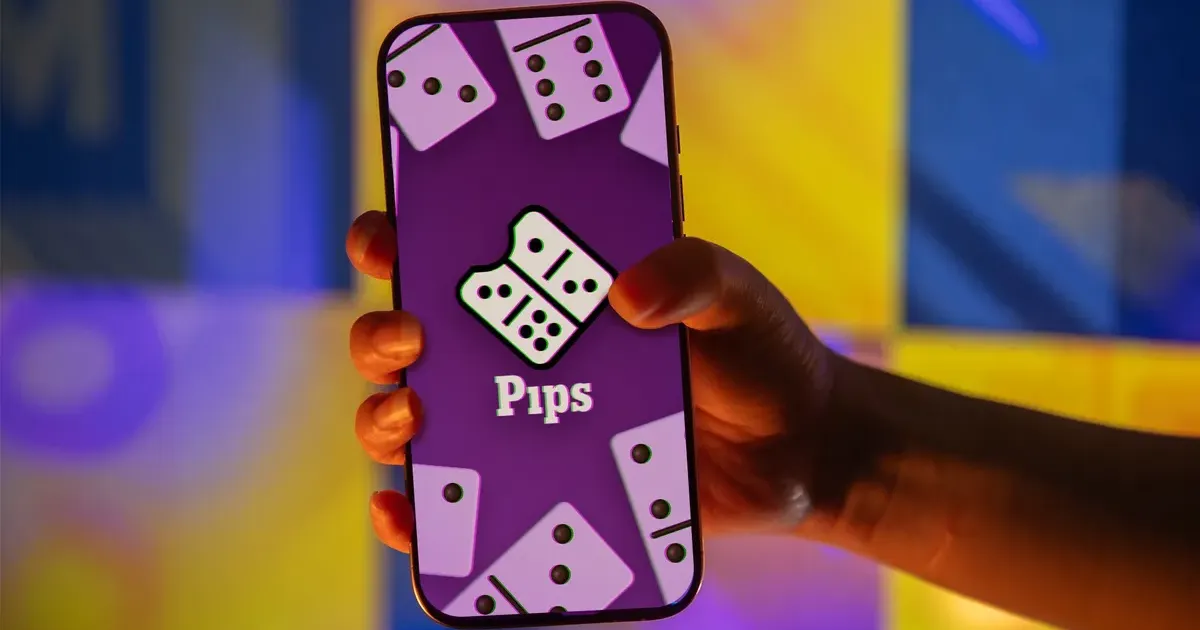
New York Times' games strategy has become one of the clearest examples of habit design in media. The company is not only selling articles. It is selling daily rituals that make subscribers return before they even think about news. By March 11, 2026, digital puzzle habits had become a serious part of the subscription business.
Games Create a Different Relationship
News consumption can be stressful, irregular or event-driven. Puzzles are different. They invite completion, sharing, streaks and quiet competition. That gives the Times a softer daily touchpoint with readers. A user who opens the app for a puzzle may later read a story, check cooking or renew a subscription without feeling pushed.
Quality Still Matters
The risk is that puzzle expansion becomes mechanical. If every new game feels like a retention experiment rather than a good puzzle, users will notice. Habit can attract people, but quality keeps them. Pips, Connections and the crossword ecosystem all need distinct logic, not interchangeable engagement loops. That distinction is important because games can become stale when every product is optimized toward the same behavior. The Times advantage is editorial taste; if that gives way to pure metrics, the habit may remain but the affection will weaken. The Times has learned that a puzzle habit can be more durable than a news habit. A reader may skip a politics story, but still open a daily game because the action is short, personal and repeatable. That creates a different subscription defense. Games do not replace journalism, but they give the company more reasons to stay on a user's phone between major news events.
The games strategy also changes the emotional texture of a subscription. News can make readers anxious or exhausted, especially in a heavy political cycle. A puzzle gives them a controlled problem with a finish line. That contrast is commercially powerful because it makes the app useful even when readers are avoiding headlines.
The Times has also built social language around games. Streaks, scores, colored grids and group chats turn solitary play into light social identity. That is not the same as journalism, but it can keep the brand present in daily life.
The risk is overextension. If every successful puzzle leads to another product that feels engineered mainly for retention, readers may sense the machinery. The editorial standard has to remain visible: clean rules, good difficulty curves and enough variety to keep play from becoming a chore.
Advertisers and product teams may love the engagement data, but the cultural value comes from something harder to measure: readers feel that the puzzles respect their time. A five-minute game that feels fair can strengthen loyalty more than a dozen push alerts that feel needy.
The Growth Lesson
The blunt conclusion is that the Times has learned something many media companies missed: loyalty is built through repeated use, not only major scoops. That does not make games more important than journalism. It makes them commercially powerful. The company should protect that power by treating puzzle design as editorial craft, not just product optimization.