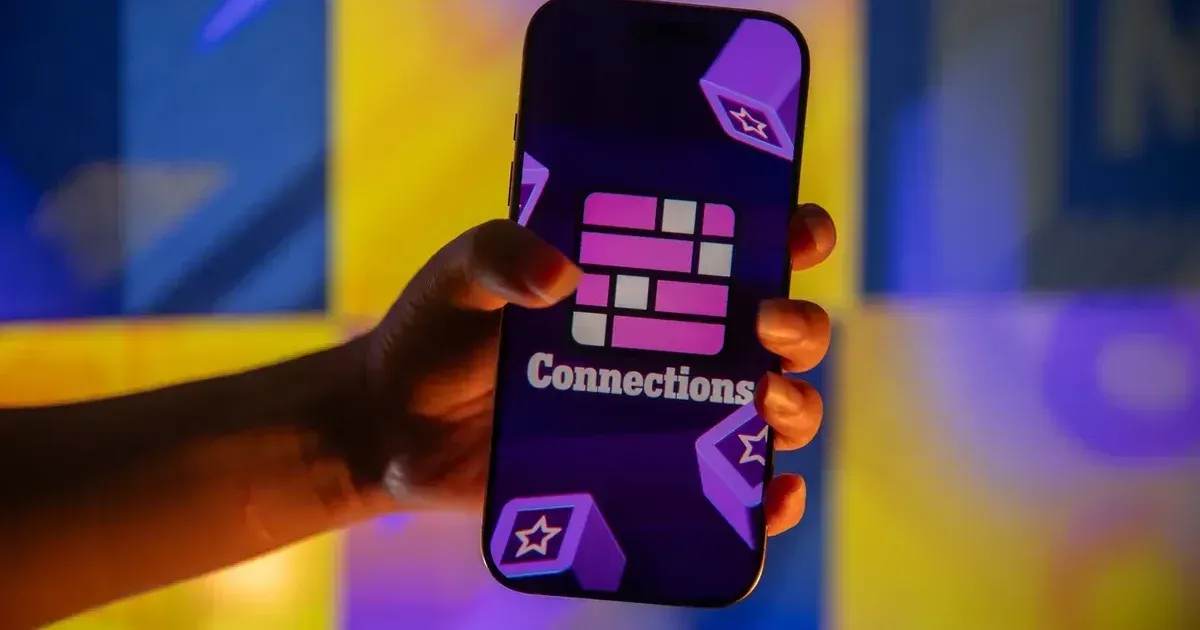
Digital word games became modern morning rituals as Wordle, Connections and Strands pulled players into daily habit loops. New York Times readers used the games before or alongside traditional news, turning puzzles into a subscription anchor. The April 6, 2026 puzzle cycle showed how simple daily mechanics can create community, sharing and repeat visits without requiring long sessions.
Success for these platforms depends on a delicate balance of difficulty and accessibility. Josh Wardle originally developed Wordle as a private gift, yet the simple mechanic of guessing a five-letter word in six tries sparked a global obsession. The New York Times purchased the game in early 2022 to strengthen its digital footprint. Internal data suggests that casual gamers are much more likely to convert into long-term news subscribers. Daily streaks represent the new social currency for the intellectual class.
Wordle Evolution and Strategic Play
Wordle remained the primary driver of traffic for the Games section throughout the mid-2020s. On April 6, 2026, the puzzle challenged players with a term related to integrity and promises. Strategic players typically begin with vowel-heavy words like ADIEU or AUDIO to narrow down the possibilities early. Experts suggest including common consonants such as S, T, R, or N in the first two attempts. These linguistic choices determine whether a user maintains a streak or faces the frustration of a failed grid. The archive of past puzzles became a point of contention among the player base. Initially, fans could access every historical Wordle via independent websites. The New York Times eventually requested the removal of these archives to consolidate traffic on its own platform. Currently, only subscribers to the Games tier can access the full history of past solutions. This move reflects a broader industry trend of gated content and premium utility.
Josh Wardle noted that the game's simplicity was its most enduring feature.
Connections and the Wyna Liu Effect
Connections provides a different psychological satisfaction by requiring players to identify common threads between sixteen disparate words. Associate puzzle editor Wyna Liu is credited with refining this format into its current successful state. The April 6, 2026, puzzle leans heavily into theatrical terminology, challenging users to think beyond literal definitions. Players must group four sets of four words, each assigned a color indicating its difficulty level. Yellow represents the most straightforward link, while purple often involves wordplay or lateral thinking. Red herrings often populate the grid to deceive the overconfident solver. A word might appear to belong to a category of kitchen appliances but actually is a synonym for a theatrical stage hand. Mistakes are limited to four per game, adding a layer of tension that Wordle sometimes lacks. This structure forces a slower, more deliberate style of play. Shuffling the board remains the most effective way to break cognitive bias and see new patterns. These games bolster the Times' wider digital subscription strategy.
Wyna Liu oversees the curation of these categories to ensure they remain challenging but fair.
Strands Redefines the Word Search
Strands offers the most complex experience in the current rotation by blending word search mechanics with spatial logic. The April 6, 2026, theme titled Fringe Group focused on boundaries and physical limits. Unlike traditional word searches, Strands allows letters to connect in any direction, including diagonals and zig-zags. Every letter in the grid must be used exactly once to complete the puzzle. A special spangram, which in this case was Outer Limits, must span the entire board horizontally or vertically.
Subscribers often spend ten minutes or more deciphering the theme through opaque hints. The word list for the current session included Verge, Boundary, Margin, Edge, Brink, and Extremity. Players who struggle can earn hints by finding unrelated words within the letter grid. These hints reveal the exact placement of a theme word, though they do not provide the word itself. The tiered assistance system keeps engagement high even when the difficulty spikes.
The spangram for April 6, 2026, was placed horizontally across the center of the grid.
The subscription habit is the business layer behind the games, but the reader-facing story is still the daily ritual of solving and sharing.
Digital Puzzles as Subscription Infrastructure
Are these daily puzzles the last stronghold of shared cultural experience or merely a sophisticated dopamine trap designed to hide the decline of investigative journalism? The New York Times has successfully commodified the morning cup of coffee, turning a simple cognitive exercise into a recurring revenue stream. While the puzzles are clearly clever, they represent a pivot toward entertainment that should worry anyone concerned with the future of hard news. The publication is no longer just a paper of record; it is a lifestyle application that happens to report on global events.
The shift suggests a future where news is the loss leader for a suite of digital distractions. The brilliance of the Wyna Liu and Josh Wardle era lies not in the words themselves, but in the capture of human attention at its most vulnerable, early-morning state. The subscription wall around the Wordle archive was the first signal of this total commercialization. Expect more gates, more premium hints, and more data harvesting under the guise of a harmless word search. Cognition is the new oil, and the Times is drilling deep. The verdict is clear. Digital pacification works.