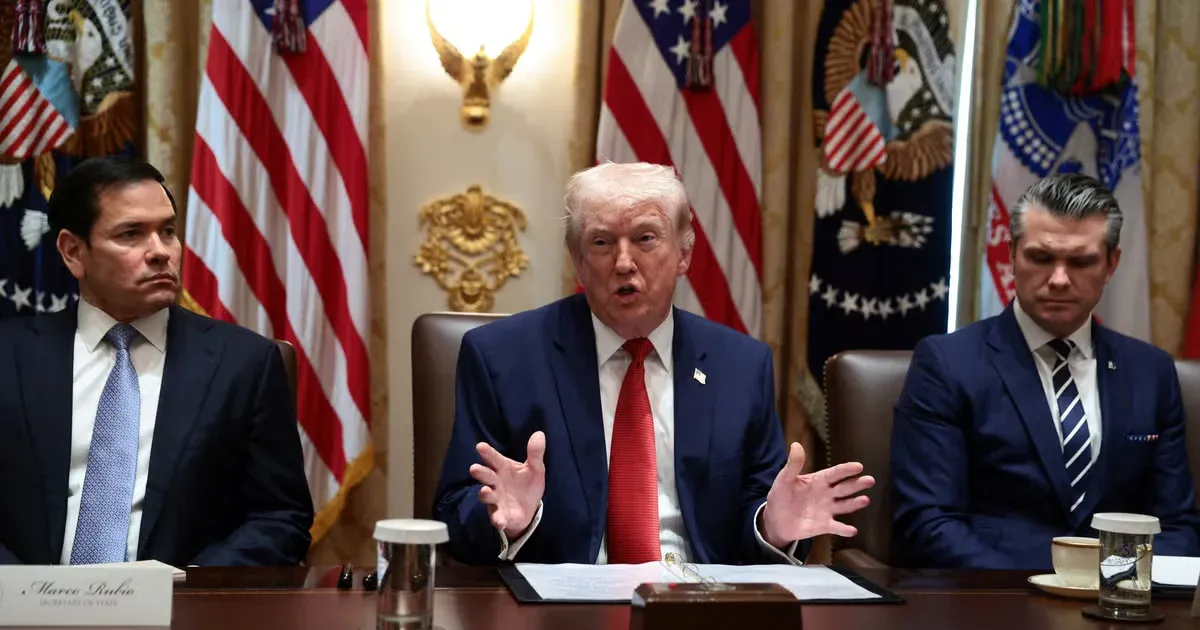
Donald Trump criticized NATO allies, arguing that the alliance had not done enough to support American priorities during the Iran conflict. The remarks added another strain to transatlantic diplomacy at a moment when the United States still needs intelligence sharing, airspace access, and maritime coordination from European partners.
The March 27, 2026 comments also singled out the United Kingdom, questioning the value of British naval deployments in the region and criticizing Prime Minister Keir Starmer's approach. British officials have continued to present their Gulf presence as a contribution to commercial shipping security, but the public dispute made allied coordination look less settled than officials in London or Brussels would prefer.
The timing is sensitive. Washington is trying to pressure Tehran while also avoiding a wider regional war. European governments are trying to preserve room for diplomacy without appearing passive on maritime security. Trump's comments made that balance harder by turning a shared security problem into another argument over burden-sharing.
NATO Criticism Complicates Gulf Strategy
Trump has long argued that NATO members rely too heavily on American military power. In this case, he tied that complaint directly to the Iran war, saying allies had not offered sufficient help. The criticism landed even though several European governments have provided diplomatic, logistical, or maritime support in different forms. For the Pentagon, the practical issue is interoperability.
US operations in and around the Gulf often depend on allied basing, refueling, intelligence, and naval coordination. Publicly dismissing those partners can make quiet cooperation more politically difficult, especially for governments already facing skeptical voters at home. NATO officials did not immediately transform the dispute into a public confrontation, which suggests an effort to contain the damage.
Still, the comments will likely be read closely by European defense ministries that are already reassessing how much risk they can accept alongside Washington. The dispute also changes the tone of private planning. Military staffs can keep working together, but elected leaders need public support for deployments, overflight permissions, and intelligence cooperation. When allied value is questioned openly, those routine decisions become easier for opposition parties to challenge.
That matters because Gulf security is built from many quiet permissions rather than one dramatic announcement. Aircraft need routes, ships need shared information, and diplomats need partners willing to absorb domestic criticism. Public friction can make each of those pieces slower. Even small delays can matter when the crisis is moving hour by hour.
United Kingdom Faces Direct Pressure
The sharpest diplomatic discomfort may be in London. Trump questioned British naval capacity at a time when the Royal Navy is helping monitor shipping threats in the Gulf and the broader Iran crisis. Even if the criticism was aimed at domestic audiences, it created a direct political problem for Starmer. British leaders must now defend the mission without escalating a dispute with the White House.
That is a narrow path. The United Kingdom wants to preserve the Special Relationship, but it also has to show that its deployments are not symbolic. Parliament will likely press for clearer answers about mission scope, risk, and coordination with US commanders. The planned diplomatic calendar adds another complication. Any high-profile British visit to the United States would now unfold under the shadow of these remarks.
Officials on both sides may try to keep ceremony separate from policy, but the underlying trust question will remain.
Russia and Iran Watch the Rift
The biggest strategic concern is not the insult itself. It is the signal of division. Russia and Iran have strong incentives to portray the West as divided, distracted, and unable to maintain a consistent front. Public criticism among allies gives them material for that narrative. Moscow has already used Western disagreements in previous crises to argue that US alliances are fragile.
Tehran can make a similar case to its domestic audience, claiming that pressure from Washington is not backed by a durable coalition. That message may harden Iranian resistance rather than encourage compromise. The United States can still pursue a tougher allied bargain, but doing so during an active conflict carries costs. If Washington wants help securing shipping lanes and managing escalation, it will need cooperation from the same allies now being criticized.
That tension is the core problem created by Trump's latest remarks. For readers following the conflict, the practical takeaway is that alliance politics can shape military options as much as hardware does. Warships, bases, and aircraft matter, but so do trust, permissions, and shared messaging. A fractured coalition may still act, but it usually acts more slowly and with more visible political friction. That friction can also affect deterrence. If Tehran believes the alliance is divided, it may doubt that Western governments will sustain a long campaign. If European capitals believe Washington is unpredictable, they may limit what they are willing to share or deploy. Both reactions make crisis management more fragile.