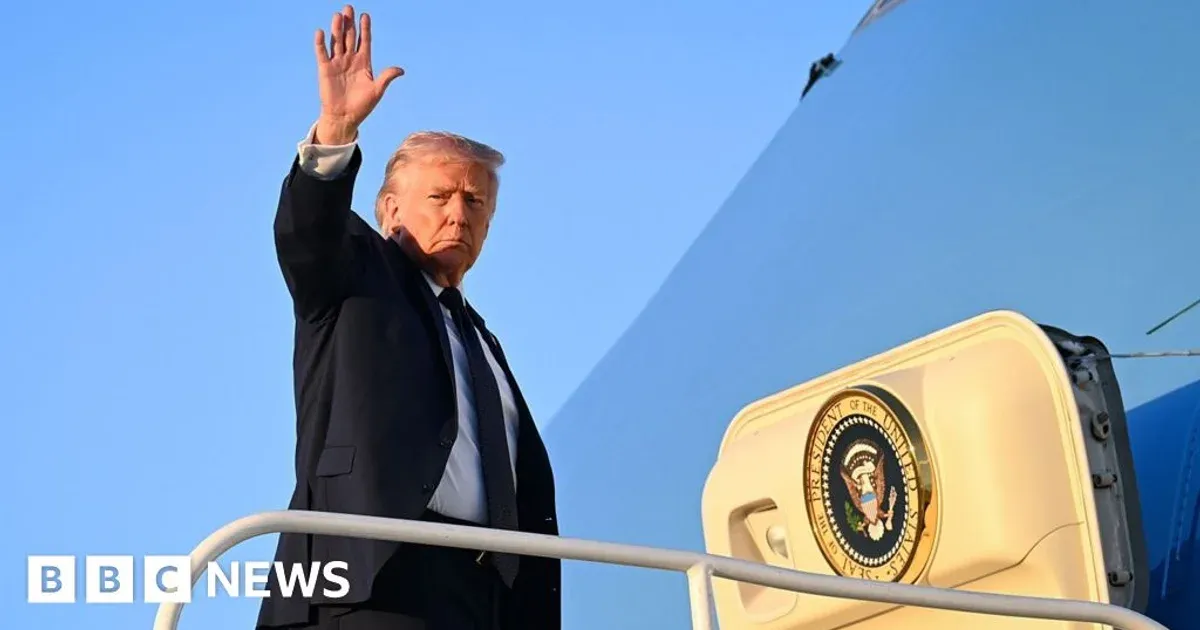
The White House is trying to project confidence about the end of multiple conflicts while its own signals point in different directions. The contradiction is not just stylistic; it changes incentives for everyone watching the United States. President Donald Trump described the Iran conflict in terms that suggested a rapid conclusion, even as military officials and allied governments prepared for continued volatility. On March 10, 2026, markets heard relief, diplomats heard ambiguity and commanders heard the burden of making political optimism survive contact with battlefield reality. Allies may hold back commitments if they think Washington will announce success before the hard work is done. The administration may believe this confusion is leverage. It may also be a sign that no one has settled on an endgame. Adversaries may escalate selectively if they believe the president is more sensitive to market pressure than to strategic cost. For allies, that uncertainty is not an academic problem. It affects basing, intelligence sharing, shipping protection, sanctions enforcement and the domestic case for supporting Washington. Leaders asked to defend U.S. strategy at home need a clearer story than optimism in public and escalation planning in private. Anything less leaves them defending a moving target.
Markets Hear What They Want
Oil traders responded quickly to Trump's more optimistic language, cutting some of the risk premium that had built around Middle East escalation. The logic was straightforward: if Washington believes the war is nearing its end, the probability of a prolonged energy shock might be lower. Investors may overreact to optimism because they have no better signal to price. But physical supply risk does not disappear because a president changes tone. Refineries can remain damaged, tankers can remain wary and insurers can keep pricing the Gulf as a war zone. presidential conflict signaling can move a futures contract faster than it can reopen a shipping lane. That makes every presidential phrase a policy instrument, whether the White House treats it that way or not. That split between financial reaction and physical reality is dangerous. If the White House is wrong, the rebound in confidence can reverse violently and make the next shock worse. The danger is especially high in energy markets where a change in perceived risk becomes an immediate financial event.
Allies Struggle to Read Washington
European and Asian partners are trying to determine whether the United States is preparing for a ceasefire, a final escalation or a political declaration of victory before conditions are secure. Each possibility requires a different response. A disciplined administration would separate battlefield updates, diplomatic positioning and market reassurance. A ceasefire push would demand diplomatic coordination and guarantees. Escalation would require military alignment, airspace planning and domestic political preparation. A premature declaration would leave allies exposed to the consequences of a conflict that keeps burning after Washington says it is ending. This administration has allowed those channels to blur. That is why strategic ambiguity has limits. It can confuse adversaries, but it can also confuse partners whose cooperation is needed to manage sanctions, oil reserves, maritime security and reconstruction pressure. The result is a communications environment in which confidence can look like confusion and ambiguity can look like drift.
Military Reality Resists Messaging
The Pentagon has continued to emphasize capabilities, targets and risk. That language is colder and less triumphant than the White House version because military institutions must plan for what adversaries can still do, not what politicians hope they will accept. That is a poor foundation for alliance management during a live war. Iran may have lost equipment and infrastructure, but it retains options through missiles, proxies, cyber operations and maritime harassment. Russia, Israel, Gulf states and European governments are also reading the same statements for clues about how long Washington's attention will last. Strategic ambiguity risk grows when the message is not disciplined. If every audience hears a different promise, the administration can end up boxed in by its own language.
There is another audience for the mixed message: adversaries testing American patience. If Tehran believes Trump needs a quick victory for markets and domestic politics, it may try to outlast the public narrative rather than meet it. If Russia sees confusion, it can amplify uncertainty while presenting itself as a necessary interlocutor.
Allied governments dislike saying this publicly, but predictability is a form of power. They can support a hard U.S. line more easily when the objective is clear. They struggle when the message alternates between imminent victory, open-ended punishment and market reassurance.
The same ambiguity affects sanctions and reconstruction planning. Companies do not know whether to prepare for renewed restrictions, postwar openings or another round of emergency compliance measures. In that environment, private actors hoard options and delay investment.
Strategic ambiguity works best when it conceals a coherent plan. When it conceals indecision, it becomes a tax on everyone else. That tax is now being paid by allies, traders and military planners who must build contingencies around a White House message that keeps changing shape.
Credibility Is the Real Battlefield
There is a narrow version of this strategy that could work: speak optimistically in public while privately building a de-escalation channel that allies understand. The available signals do not yet show that discipline. They show a president trying to calm markets, a Pentagon still planning for danger and partners forced to hedge against both.
The hardest part of ending a conflict is not announcing that the end is near. It is making enemies, allies, markets and voters believe the conditions for an end exist.
Trump has always treated public narrative as a tool of power. In a market-sensitive war, that tool has immediate economic effects. It can calm investors, lower oil expectations and give the administration a domestic victory frame.
But a narrative that outruns reality becomes a liability. If the conflict widens after the White House implies it is winding down, allies will remember the gap and adversaries will test it. The global system can absorb uncertainty. It cannot absorb an American strategy that looks improvised while pretending to be decisive.