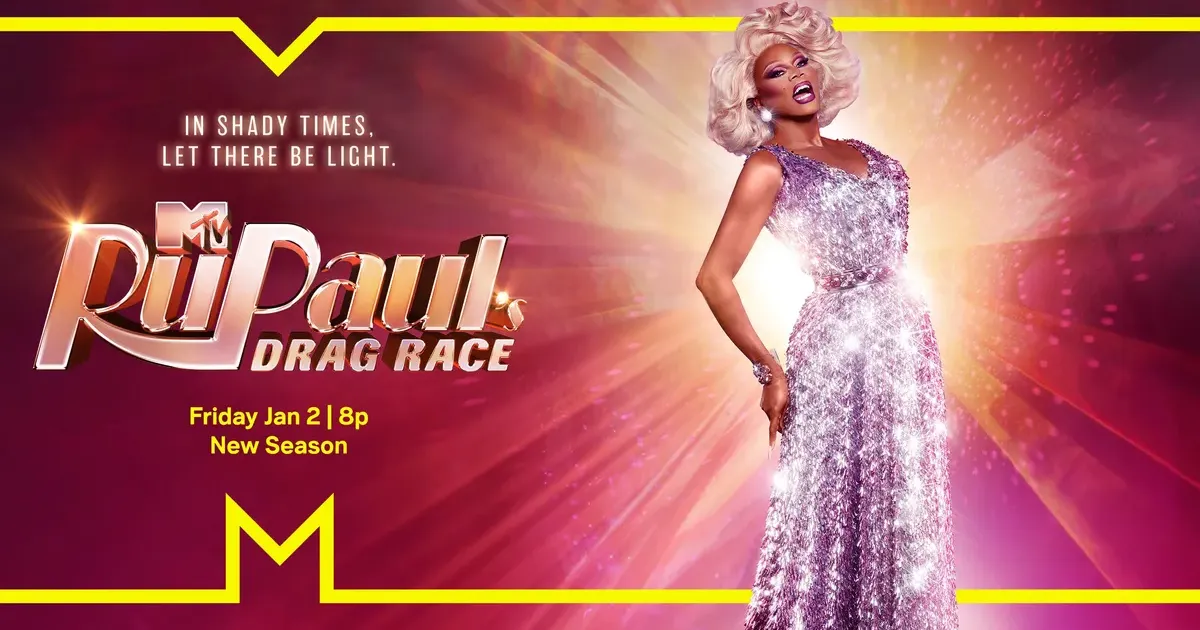
The April 4, 2026 backlash moved quickly because viewers were watching for authenticity and saw AI use as a threat to the show’s credibility. The production choice itself became the story as RuPaul Charles and production company World of Wonder faced intense scrutiny after viewers identified what appeared to be synthetic media in a core segment of the show.
Allegations of automated image generation surfaced immediately after the broadcast of Season 18, episode 14. During this installment, the host presented what were framed as hand-painted portraits of contestants Juicy Love Dion, Myki Meeks, Darlene Mitchell, and Nini Coco. Audience members quickly noted visual inconsistencies that deviated from the standard of human-made digital illustration or traditional physical media. These visual cues sparked a debate regarding the role of automation in a franchise that markets itself as a sanctuary for authentic human artistry.
Social media platforms became the main venue for technical breakdowns of the images. Observers highlighted specific anatomical and structural failures common in generative algorithms, including a faint yellow filter that blurred distinct edges. One error centered on the portrait of Juicy Love Dion, whose feathered boa appeared to sprout three separate, disconnected ends in a manner that defied physical logic. Other viewers pointed to blurred textures and inconsistent lighting on the faces of Myki Meeks and Nini Coco. These anomalies collectively triggered what critics described as the uncanny valley effect, where images look nearly human but possess unsettling distortions that signal a machine origin.
Identity and self-representation are central themes of the drag art form. When a machine generates a representation of a queer person of color, it often relies on biased datasets that can erase specific ethnic features or flatten individual personality. Fans noted that the AI-generated versions of the queens seemed to lose the distinctive "edge" or character that makes their drag unique. This homogenization is a frequent byproduct of generative tools, which aim for a statistical average rather than a specific artistic vision. Drag is defined by its defiance of the average, making the two concepts fundamentally incompatible.
Public response remains overwhelmingly negative as the season progresses. Petitions on platforms like Change.org have already begun to circulate, demanding that the shows commit to using only human-generated art for future installments. The relationship between the show and its audience depends on a shared belief in the power of the individual artist. If the fans perceive that the shows are cutting corners on the very creativity it purports to celebrate, the brand's cultural capital will likely diminish. The episode 14 portraits remain a focal point for this tension between technological convenience and artistic integrity. The dispute now sits in a larger labor and authorship debate across entertainment, where cheap synthetic assets can undercut the illustrators and designers who give reality television its visual identity.
For a franchise built on handmade illusion, the production shortcut felt especially discordant because runway culture treats every visual detail as intentional. Viewers objected not only to the tool but also to a loss of trust in how the show represents its performers. Future episodes face a simple test: if the image represents a queen, a human artist should be accountable for the choices behind it in every episode package.
Performance Art Identity Crisis in Digital Era
Identity and self-representation remain central to drag, so synthetic portraits triggered a stronger response than an ordinary production shortcut would have. The issue also matters because drag audiences are unusually attentive to craft, styling and visual references. A distorted portrait is not a neutral mistake when the performer has spent years building a precise public image.
For producers, the reaction makes transparency essential when a competition show uses tools viewers cannot see on screen.
Drag Race AI Backlash Tests Viewer Trust
The Drag Race backlash shows that viewers still expect human craft in a franchise built on personality, performance and taste. AI can assist production, but it becomes a problem when fans feel the show is outsourcing judgment.