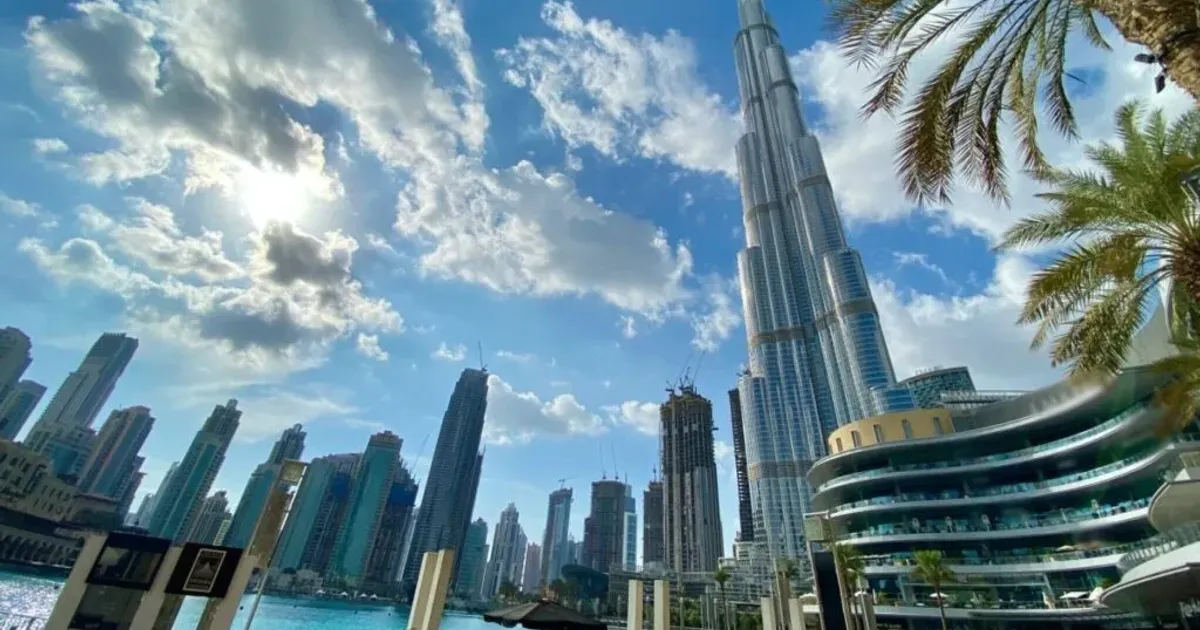
Dubai's hotel fee relief is best read as a liquidity bridge, not a full tourism rescue. The emirate moved in spring 2026 with an AED 1 billion support package for hotels and tourism operators, including deferrals of government, sales and Tourism Dirham fees. A later AED 1.5 billion tourism relief package went further, with exemptions tied to hotel stays, restaurants, holiday homes and event fees. The policy response was fast because the threat was fast: war risk can empty booking calendars before it closes a single hotel.
Dubai remains commercially open and globally connected, but tourism depends on perception as much as infrastructure. Long-haul travelers, corporate travel managers and event planners do not only ask whether a hotel room is available. They ask whether flights will operate, whether insurance rules will change, whether staff can travel safely and whether the region could escalate while guests are already there.
Fee Relief Protects Cash Flow First
Hotels carry large fixed costs. Payroll, cooling, security, maintenance, food procurement, debt service and brand standards do not fall in line with occupancy. A short decline in bookings can be managed through discounts and cost control. A longer conflict-driven slump puts pressure on service quality, staffing and supplier payments.
Fee deferrals therefore and exemptions matter. They keep cash inside the operator at the moment when occupancy and forward bookings weaken. The state is effectively giving hotels time to avoid emergency cuts. That time has value because luxury hospitality is damaged quickly if operators reduce staff, delay maintenance or train guests to expect distressed pricing.
Confidence Cannot Be Ordered Back
Government fees can be waived by decree. Confidence cannot. A traveler deciding between Dubai, Singapore, London, Istanbul or the Maldives can avoid a region that feels uncertain even if the actual destination remains organized and safe. A corporate planner can move a conference because the risk committee dislikes the map, not because the venue failed.
The policy reaches its limit here. Fee relief can help hotels lower friction and preserve operations. It cannot remove airspace fears, tanker headlines, insurance questions or family anxiety from the booking decision. The relief buys time for the travel system to stay intact until international confidence returns.
Pricing Discipline Becomes a Test
Dubai's hotels face a familiar crisis temptation: cut rates sharply to fill rooms. Sharp discounting can support short-term occupancy, but it can also weaken a premium destination's brand if discounts become the main message. Once high-end travelers and wholesalers learn that a market will panic-price, it can take time to restore rate power.
The better use of relief is to hold the line where possible. Operators can use the savings to preserve staff levels, maintain service, support flexible booking terms and protect future events without turning the market into a fire sale. The goal is not to pretend demand is normal. It is to avoid making the recovery harder once regional risk begins to ease.
Events and Airlines Matter as Much as Rooms
Hotels do not recover alone. Dubai's tourism model depends on airlines, exhibitions, conferences, restaurants, retail, taxis, tour operators and logistics. If events are postponed or flight schedules are trimmed, room demand weakens even when the hotels themselves are ready. The wider tourism system is why the later relief package's event-fee waivers and permit support are important.
Business travel is especially sensitive. A leisure visitor may be tempted by a discount. A corporation needs duty-of-care approval, travel insurance certainty and a reason to keep a meeting in the region. Dubai's policy support therefore has to reach beyond hotel ledgers into the systems that feed hotel occupancy.
The Hub Model Carries Regional Exposure
Dubai's strength is connectivity. The same strength makes it exposed when the Gulf is seen through the lens of conflict. The city built a global role on being reachable, efficient, safe and predictable. War risk attacks predictability first. Even if airports, ports and roads keep operating, a regional threat can redirect discretionary travel and slow corporate decisions.
The logistics side adds another layer. Jebel Ali, aviation links and trade flows give Dubai economic depth beyond tourism, but disruptions around Hormuz and the Gulf can still affect confidence in the hub model. Travelers may not separate port risk, airspace risk and hotel safety in a precise way. They often react to the broader regional signal.
The Recovery Depends on Trust, Not Discounts
Dubai's fee relief is pragmatic. It keeps businesses liquid, protects jobs, reduces the chance of panic pricing and shows operators that the state understands the pressure. It is also limited by design. A support package can slow damage, but it cannot by itself restore the travel promise that made Dubai powerful.
The real test is whether hotels, airlines, event organizers and government agencies can keep future capacity in place long enough for confidence to return. If the war shock fades, the relief will look like a bridge that prevented unnecessary damage. If the conflict drags on, the question will shift from waived fees to whether Dubai can defend its identity as the Gulf's most reliable meeting point for guests, companies and capital.