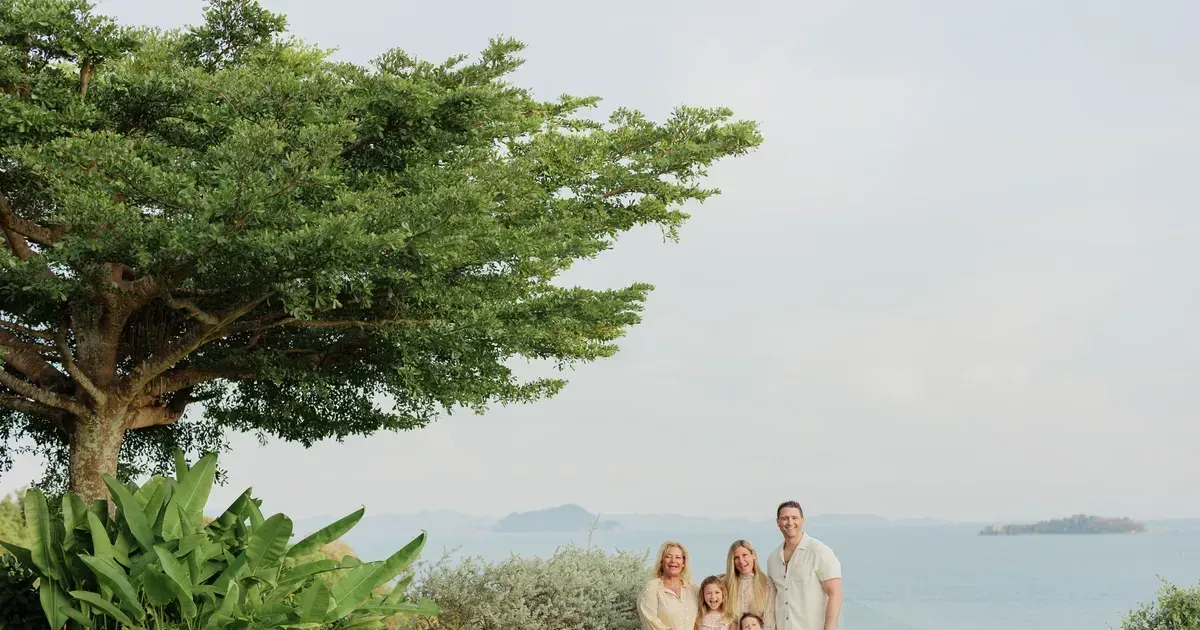
Ethical tourism is changing how families plan trips across Thailand, especially when wildlife encounters, local communities and children’s expectations meet in the same itinerary. The change is practical rather than cosmetic. The issue moved from niche travel advice into a broader question about what responsible family travel should look like.
Thailand remains one of the world’s strongest family destinations because it combines beaches, food, temples, markets and approachable logistics. The harder question is how families choose tours once the trip moves beyond hotels. Elephant visits, island excursions and village experiences can be enriching, but only when operators treat animals and residents as more than scenery.
Parents face a practical challenge. Children may want close contact with animals or dramatic photographs, while ethical operators often impose distance, time limits and rules that make the experience less theatrical. That restraint is usually a sign of better practice, not a weaker tour.
Wildlife Rules Shape Better Trips
The clearest test is whether an attraction lets animals behave normally. Bathing, riding, forced performances and constant touching can signal that visitor entertainment is being placed above welfare. Families that ask sharper questions before booking can shift demand toward operators with better standards.
Community tourism requires the same caution. A village visit can support local income when it is locally led, fairly paid and built around consent. It becomes exploitative when families are sold a staged version of poverty or tradition for a quick photo stop.
Families also have to think about pacing. A child can learn more from one well-run elephant sanctuary or community-led tour than from a packed itinerary that turns every stop into a quick photograph. Ethical travel often means doing less and paying more attention.
Thailand operators vary widely, so advance research matters. Families can look for transparent welfare policies, local ownership, small group sizes and clear explanations of where fees go. The absence of those details should make a booking feel weaker. Responsible tourism also changes how parents talk about travel with children. Instead of treating rules as restrictions, they can explain why distance from animals, consent from communities and respect for religious spaces are part of the trip.
The financial side cannot be ignored. Ethical operators may cost more because better labor practices, animal care and smaller groups carry real expenses. A cheaper tour can be cheaper because someone else absorbs the cost. That is why the family travel choice matters. It teaches children whether travel is consumption without consequence or a shared space where guests have obligations.
For travelers, the practical move is to ask sharper questions before money changes hands. Who owns the tour, how are guides paid, what animal-contact rules exist and whether local residents can refuse participation all matter more than a glossy promise of authenticity.
The strongest family itineraries will likely be the ones that prepare children before the trip begins. If parents explain why some animal encounters are refused and why some community visits are chosen carefully, the vacation becomes more than entertainment. It becomes a lesson in how to be a guest without turning every destination into a product.
Responsible Travel Has to Be Taught
The useful part of ethical tourism is not moral branding. It is the chance to teach children that travel involves other people’s homes, labor and land. Thailand can still be joyful, colorful and easy to love, but the better family trip does not pretend that every available attraction deserves money. That is the new standard for parents: choose the trip that leaves the destination with more dignity than the marketing brochure requires.