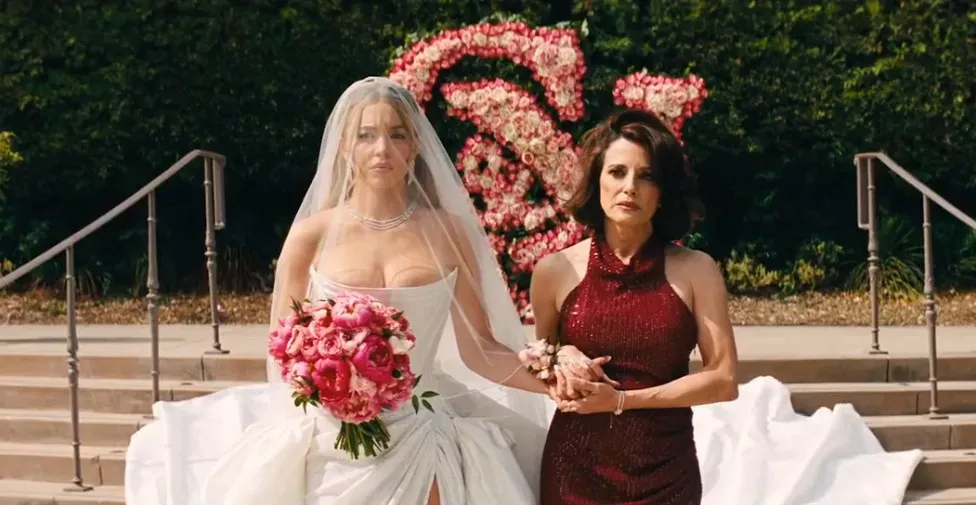
Euphoria Season 3 no longer needs to be judged by its trailer. HBO's long-delayed return premiered April 12, 2026, moved the story five years beyond high school and ended May 31 with a final chapter that made Rue Bennett's consequences impossible to keep symbolic.
The season asked a difficult question: could a show famous for stylized adolescence become a story about adult cost? The answer was uneven, but not empty. Zendaya's Emmy nomination for the final season shows that Rue remained the emotional center even when the wider season divided viewers.
The Time Jump Solved One Problem And Created Another
The five-year jump was necessary. The series could not credibly keep Rue, Cassie, Nate, Jules, Maddy and Lexi trapped in the same high-school frame forever. Moving them into adulthood let the show explore work, debt, sex, crime, estrangement, faith and survival without pretending teen chaos lasts in the same form.
The risk was emotional distance. Viewers had to accept that years of unseen life had reshaped the characters before the first episode even began. Some of that worked because the old wounds were visible. Some of it felt abrupt because the show had to rebuild continuity after a four-year hiatus.
Rue's Adult Spiral Anchored The Season
Rue's story was always strongest when the series treated addiction as more than shock imagery. Season 3 pushed her into a darker adult structure: debt, drug-running, Mexico-border tension, law-enforcement pressure and an uneasy search for moral direction.
The larger frame could have become empty escalation. It worked best when the danger exposed the same old core: Rue's ability to harm herself and others while still searching for relief, faith or escape. Zendaya gave that arc the weight the season needed.
The Ensemble Had Less Room To Breathe
The adult versions of Cassie, Nate, Jules, Maddy and Lexi created more pointed tabloid and melodrama hooks, from online sex work to damaged relationships and new careers. The arcs showed how teenage patterns can harden into adult compromises.
Still, the ensemble did not always receive the same depth as Rue. The season's darker crime and finale machinery made some characters feel like orbiting evidence of damage rather than fully lived stories. That imbalance explains part of the mixed reception.
The Deaths Made The Finality Unmistakable
The season's final stretch leaned into irreversible consequence, including Rue's devastating death from a fentanyl-laced Percocet overdose and another major character death. Those choices made the series' ending blunt rather than comforting.
They also changed how the earlier seasons are remembered. Euphoria's most criticized excesses were always tied to whether the show glamorized ruin or exposed it. The final season forced a harsher answer: the style was never going to save these characters from consequence.
The season also carried the real-world absence of Angus Cloud, who died in 2023. Creator Sam Levinson framed the final season as a tribute to him, and that context made the show's drug storyline harder to watch as pure fiction.
Eric Dane's posthumous appearance after his death in 2026 added another layer of loss around the season. The off-screen history did not replace the writing, but it changed the emotional air around the final run.
The Return Justified Its Existence, Not Every Choice
Euphoria came back to a less forgiving audience and partly earned the return. The five-year jump gave the show a reason to exist beyond nostalgia, and Zendaya's performance gave the final season its center.
But the season also showed the cost of delay. Some relationships felt overcompressed, some supporting arcs felt underfed, and the finale's severity will remain divisive. HBO had the stars, the brand and the visual language. Season 3 proved the story had grown darker with the characters, even when it did not always grow cleaner.