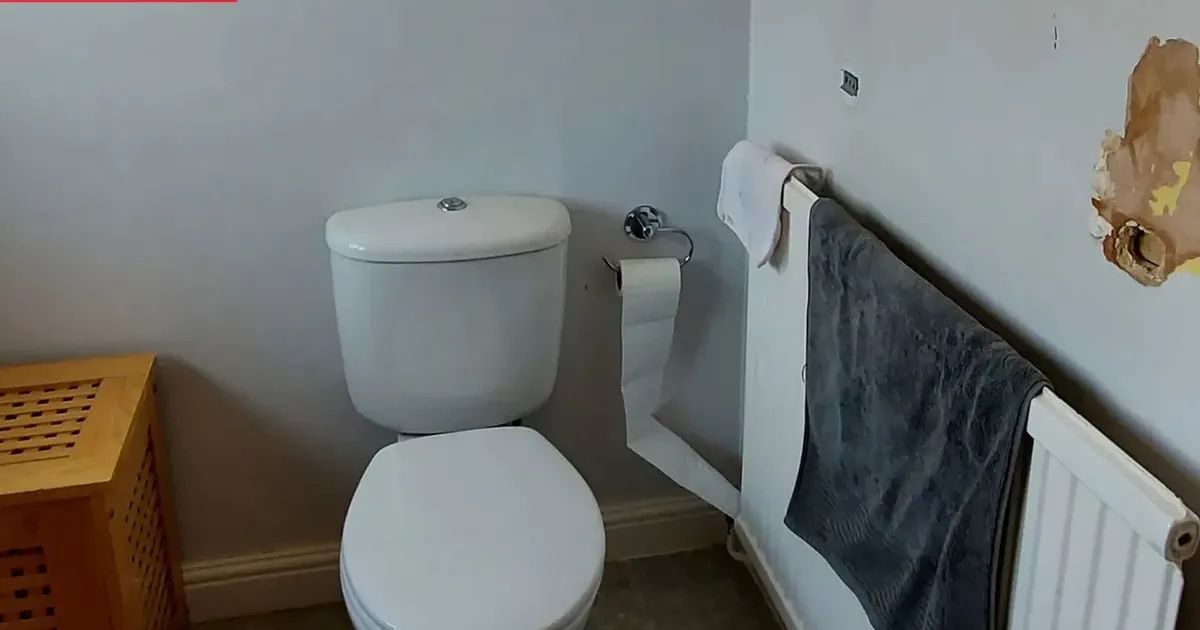
A failing bathroom renovation became a case study in how older homes force owners to choose between cosmetic patches and real repair. Erica B.'s project began with a room that no longer worked well for daily family use. Moisture concerns, tired fixtures and a cramped layout made the bathroom feel older than the rest of the home. The overhaul shows why small rooms can carry large financial and design consequences.
The most important change was not decorative. It was functional. A busy household needs storage, counter space, reliable plumbing and surfaces that can handle moisture. When those basics fail, a bathroom stops being a private retreat and becomes a daily bottleneck. Erica B. treated the renovation as a workflow problem before treating it as a style project.
That approach is increasingly common in older homes. Owners may want prettier tile or updated lighting, but the real value often comes from fixing the hidden systems behind the walls. A bathroom can look finished and still be vulnerable if moisture, ventilation and plumbing are ignored.
Structural Decay and Renovation Priorities
The project exposed the kind of decay that often hides behind bathroom surfaces. Long-term moisture can weaken framing, damage drywall and create conditions for mold. Replacing compromised materials is less glamorous than choosing tile, but it determines whether the renovation lasts. Skipping that work turns a remodel into a temporary cover-up.
Modern bathroom renovation usually requires moisture-resistant wall systems, better waterproofing behind shower areas and careful attention to ventilation. Those upgrades are easy to overlook because they disappear once the tile is installed. They are also the difference between a room that survives years of steam and splashes and one that fails again.
Floor preparation matters for the same reason. Large-format tile, heated floors or heavier finishes need a stable surface underneath. A bathroom is small, but it is technically demanding because water, electricity, plumbing and daily use all meet in the same tight footprint.
Small Footprints Need Better Flow
Efficiency shaped the second phase of the remodel. Erica B. focused on how the room worked during the morning rush: who needed the sink, where towels and toiletries went, and whether the door swing blocked movement. Those details sound minor until several people need the same room at once.
Replacing a space-stealing door, widening the vanity area or adding better storage can change how a small bathroom functions. A double-sink vanity may not be necessary for every home, but in a high-traffic family bathroom it can reduce conflict. Storage zones also matter. When each person has a place for daily items, the counter stops becoming a shared dumping ground.
Erica B. noted, "The new vanity is a breakthrough."
The quote may sound dramatic for a bathroom fixture, but it captures the point of the renovation. The vanity is not only furniture. It is the command center for grooming, medication, towels, cleaning supplies and the first routine of the day. When it works, the whole room feels calmer.
Budget Pressure and Practical Upgrades
Bathroom renovations have become more expensive because skilled labor, plumbing parts, tile, counters and custom cabinetry all cost more than homeowners expect. That pressure encourages people to delay repairs, but waiting can make moisture damage worse. The cheapest path is not always the least expensive one if it leaves hidden problems untouched.
Erica B. managed the project by focusing spending on structure, storage and plumbing reliability before decorative extras. That is the more defensible order. A beautiful bathroom with weak waterproofing is a liability. A simpler bathroom with sound walls, good ventilation and a leak detector is often the smarter investment.
Smart-home leak detection and updated shut-off valves are becoming more common because water damage is one of the most expensive household failures. These upgrades do not photograph as well as tile, but they protect the renovation after the contractor leaves. In an older home, prevention is part of design.
What the Bathroom Reveals
Why do we celebrate the basic functionality of a bathroom as if it were a high-tech breakthrough? The obsession with residential renovation reflects a deeper anxiety about the aging middle-class housing stock. For families like Erica B.'s, maintaining a functional home is a fight against old layouts, deferred maintenance and construction choices that no longer fit how people live. The vanity is marketed as life-changing because the actual living space has become so constrained.
The fetishization of domestic utility suggests that the modern home is no longer only a place of rest. It is a machine that must be constantly tuned for performance. A sink that works should be a baseline expectation, not a milestone. Yet as American homes age, the ability to complete a morning routine without leaks, clutter or structural failure has become a marker of socioeconomic status. This bathroom renovation is a tactical victory in a larger war against domestic obsolescence.
Ultimately, the project shows the pressure on homeowners to optimize every square inch to justify the cost of ownership. That is useful design, but it is also a warning about how fragile ordinary comfort has become.