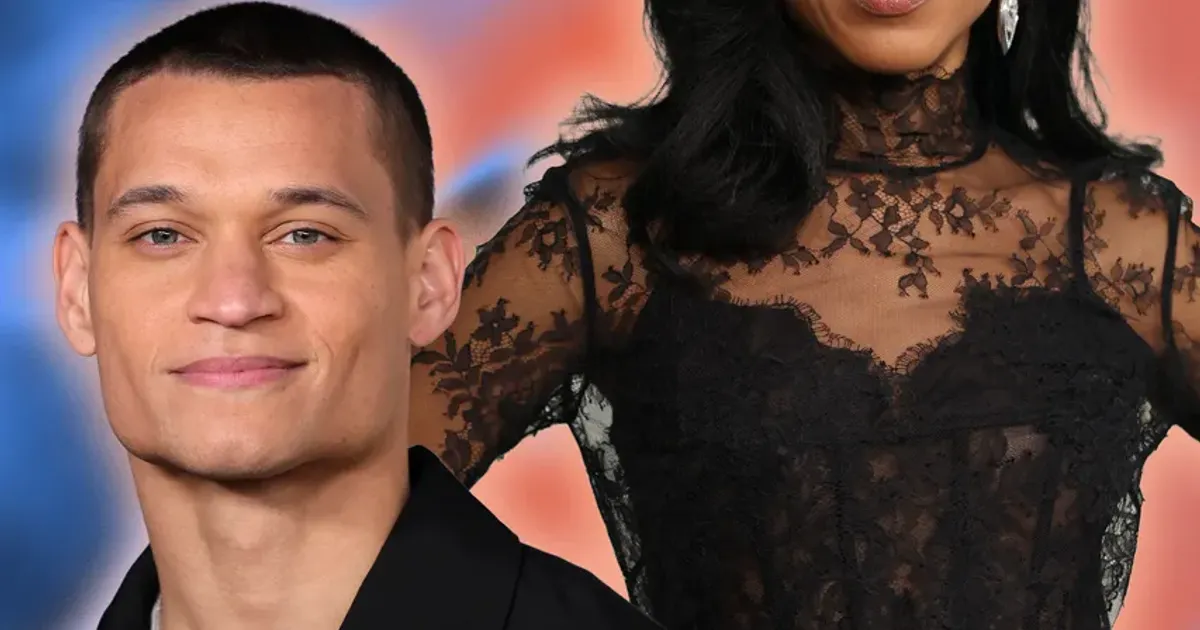
Kerry Washington turned a fan-casting theory into a live entertainment story at the NAACP Image Awards. Her public reaction to calls for Tyriq Withers to join a future Scandal sequel gave the online campaign more weight than a normal social media trend. By March 11, 2026, the idea centered on Withers playing a next-generation figure connected to Olivia Pope and Fitzgerald Grant, the pairing that anchored the original ABC drama. Fans have pointed to Withers' resemblance to Tony Goldwyn and to his rising profile as reasons the hypothetical casting feels unusually plausible. Washington did not announce a project, and no network order has been reported. Still, her willingness to play along matters because legacy television revivals often begin with public temperature checks before studios commit money to development.
Fan Casting Moves Faster Than Studios
Digital audiences now assemble sequel concepts before executives issue formal development notes. Threads, Instagram and TikTok have filled the gap with imagined Pope family storylines, campaign-room conflicts and political scandals tailored to a 2026 media environment. Withers has also encouraged the discussion by acknowledging his own affection for the original series. That does not make him attached to a Shondaland project, but it gives fans a credible performer to organize around rather than a purely abstract reboot demand. The strongest version of the idea is not just a lookalike casting exercise. A sequel would need a new political premise, a reason for Olivia Pope's legacy to return and enough distance from the original romance to avoid becoming nostalgia with different faces.
Washington's Endorsement Changes the Signal
Washington remains the essential validator for any continuation. Her comment about the white hat connected Withers to one of the franchise's most recognizable symbols without confirming anything official. That balance is useful for studios. It lets them measure demand while avoiding the risk of promising a revival too early. Entertainment companies have become more cautious about revivals after learning that online enthusiasm does not always translate into sustained viewership. For Shondaland, the question is whether Scandal still offers a sharp enough political lens. The original series thrived on secrecy, crisis management and Washington power. A new version would have to confront a more fragmented media culture, not simply replay the same Oval Office dynamics.
Why Fan Casting Cannot Carry a Reboot
The smarter path is patience. Withers may fit the visual imagination of the fandom, and Washington's approval gives the idea momentum, but a sequel needs more than resemblance and viral clips. It needs a conflict that explains why the old machinery of crisis management would matter to a younger generation. That is where the fan theory becomes useful but insufficient. The online audience has identified a performer and a family connection that could work on screen. Writers would still need to decide whether the new story is about campaign power, media manipulation, presidential legacy or the cost of inheriting a famous political name. Scandal succeeded because it treated romance, law and political damage control as one volatile system. A revival that simply gives Olivia and Fitz an adult son would miss the point unless that character faces a pressure unique to the present moment. Withers also gives the idea a practical casting advantage. He is recognizable enough to carry online momentum, but not so overexposed that a role inside an established franchise would feel like a cynical stunt. That balance is rare in revival casting.
The risk sits on the other side of the ledger. If producers move too quickly, the project could become an internet prompt rather than a drama with its own engine. Scandal's original audience will expect sharp writing, not just a familiar surname and a white hat callback.
A measured development process would let Shondaland test whether Withers fits a larger ensemble, whether Washington wants an on-screen role or only a producing connection, and whether the political premise can carry multiple seasons.
The clearest route would place a new generation inside a Washington that is more surveilled, more fragmented and less patient than the one Olivia Pope mastered. That would let the revival use the original show's DNA without asking the audience to accept a museum piece.
That choice would also protect Washington's original character from being reduced to a cameo machine. A continuation works best if Olivia Pope's legacy creates pressure for younger figures rather than solving every problem for them.
Withers can be part of that equation because the fan theory already gives him a clear relationship to the franchise. The harder decision is whether producers can surround him with characters who are not simply echoes of Pope, Grant and the gladiators.
If a new Scandal chapter happens, it should begin with a story strong enough to justify reopening Olivia Pope's world. Fan casting can point studios toward demand; it cannot replace the harder work of building a political drama that feels urgent on its own.