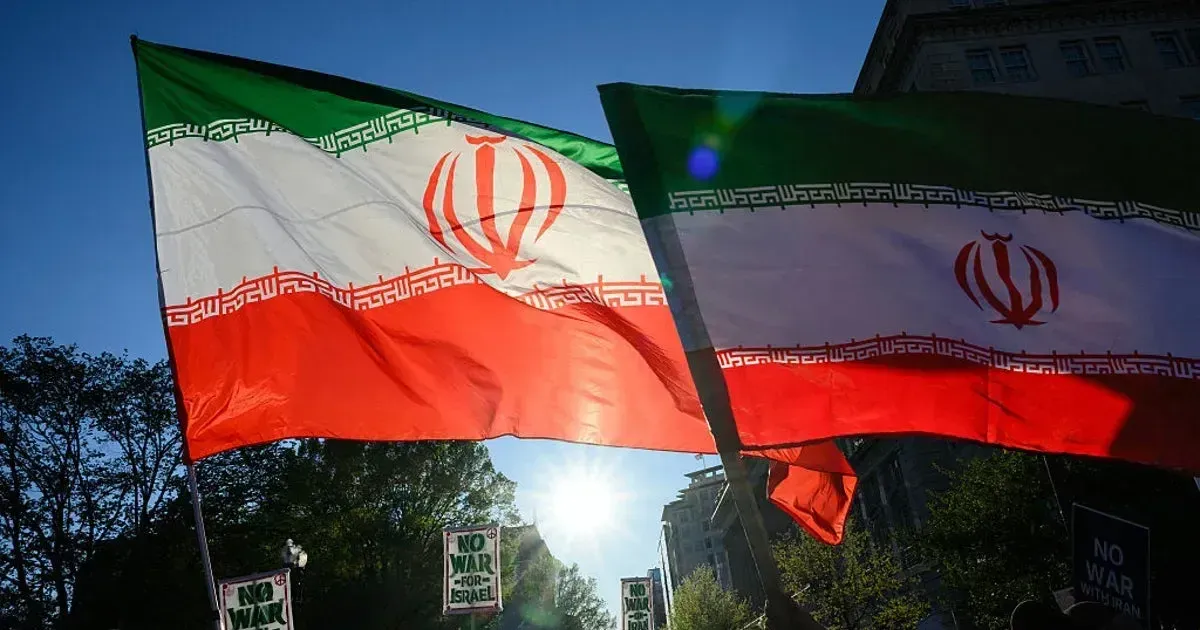
The FBI and NSA warning on Iranian-linked cyber threats turns the Iran crisis into a local infrastructure issue for American utilities. Water systems are a concern because many depend on industrial control equipment that was not built for a modern threat environment. Smaller operators can be exposed even when national agencies understand the risk. The alert was issued on April 8, 2026, as federal agencies urged operators to review access controls and monitoring. For small municipal systems, the problem is practical: the same infrastructure that keeps water moving may be defended by limited staff and outdated budgets.
Security Agencies Identify Critical Vulnerabilities in U.S. Water Networks
National security agencies recommend that utility providers immediately implement multi-factor authentication for all administrative accounts. This step prevents hackers from using stolen credentials to navigate internal networks. Experts suggest that Iranian groups are seeking to create domestic instability through these disruptions. Cyberattacks on energy grids follow a similar pattern of reconnaissance followed by exploitation. Intelligence suggests these groups have spent months mapping the digital architecture of American power plants. They look for points of failure that could trigger widespread blackouts.
Industrial control systems are often decades old. Legacy hardware was never designed to resist modern cyber warfare techniques. Many of these machines still run on operating systems that no longer receive security updates. Patching these systems requires taking them offline, which many utilities are reluctant to do. Tehran maintains a corps of highly skilled digital operatives who specialize in these niche systems. The scope of their reach is expanding.
Russian Intelligence Assets Support Iranian Operations
Ukraine recently provided evidence that Russia is supporting Iranian military objectives through intelligence sharing. Reports from Kyiv indicate that Moscow provides Tehran with high-resolution satellite imagery of U.S. military bases. This imagery covers installations across the Middle East, including those in Iraq and Syria. Ukrainian intelligence officials claim the data includes detailed layouts of hangars, barracks, and fuel depots. Access to such detailed information allows Iranian military planners to refine their targeting for kinetic strikes. The exchange is part of a deepening defense relationship between the two nations.
Moscow provides this assistance in exchange for Iranian drone technology. The partnership has changed the strategic balance in both Eastern Europe and the Persian Gulf. By using Russian imagery, Iran can bypass some of its own technical limitations in orbital surveillance. Detailed pictures help in assessing the success of previous strikes and planning future ones. This intelligence pipeline enables a higher degree of precision for ballistic missile units. The collaboration persists despite international sanctions.
A secret report from the Federal Bureau of Investigation warns that the threat from Iran has moved beyond digital borders. Documents reveal that Iranian security services have attempted to kidnap or kill Americans on U.S. soil. These plots target former government officials and activists who criticize the regime in Tehran. While previous warnings focused on cyber espionage, this report highlights a trend toward physical violence. Federal law enforcement agencies have increased protection for several high-profile individuals in response to these findings. The intent is lethal.
Security reviews began immediately to prevent further compromise across the sector. Every compromised node in the network provides a foothold for more aggressive lateral movement. Analysts from the National Security Agency describe the current situation as a persistent threat that requires constant monitoring. Water districts must now report all suspicious activity to federal authorities to help build a national threat profile.
Russian technical expertise also assists Iranian cyber units in honing their craft. Shared techniques for bypassing Western firewalls have been observed in recent months. Ukraine has monitored these exchanges through intercepted communications and digital forensics. Data confirms that Iranian actors are adopting Russian methodologies for persistent access to sensitive networks. The alliance creates a combined threat that is difficult for any single nation to counter.
Federal law enforcement remains on high alert for suspicious activities near the homes of targeted individuals. Plots often involve the recruitment of private investigators or criminal elements to conduct surveillance. These third-party actors are sometimes unaware of who they are actually working for. The secret report clarifies that these operations are sanctioned at high levels of the Iranian government. Tensions between Washington and Tehran are driving this escalation in aggressive tactics.
Security protocols for diplomats and high-ranking officials have been tightened. Counterintelligence units are working to identify Iranian operatives working under deep cover within the country. The Federal Bureau of Investigation has successfully disrupted several of these plots before they could be executed. However, the sheer volume of threats makes total prevention a challenge for law enforcement. Tehran denies involvement in these activities despite the evidence collected by U.S. agencies.
Cybersecurity protocols must evolve to meet the threat posed by state-sponsored actors. The National Security Agency provides technical guides for hardening the industrial control systems used in manufacturing. These systems are the backbone of the modern economy and the most attractive targets for adversaries. Successful incursions can lead to millions of dollars in damages and long-term production delays. Protecting these assets requires a combination of network isolation and advanced threat detection.
Utilities Need Federal-Scale Defense
Cybersecurity advice is useful only if utilities have the capacity to act on it. Many local operators need funding, shared technical support and clearer escalation channels when suspicious activity appears. That is why this warning cannot remain a document passed around by federal agencies. Protecting water systems requires a national defense posture scaled to the local systems that actually run them.