Gracie Mansion bombing investigation now turns on whether federal agents can connect small preparatory acts to a violent political attack. The allegation that Pennsylvania teens were involved is serious, but seriousness does not remove the burden of proof. Explosive residue evidence, purchase records and surveillance can build a case only if the chain is clean. By March 11, 2026, the public needed facts more than dramatic labels.
The Purchase Trail Matters
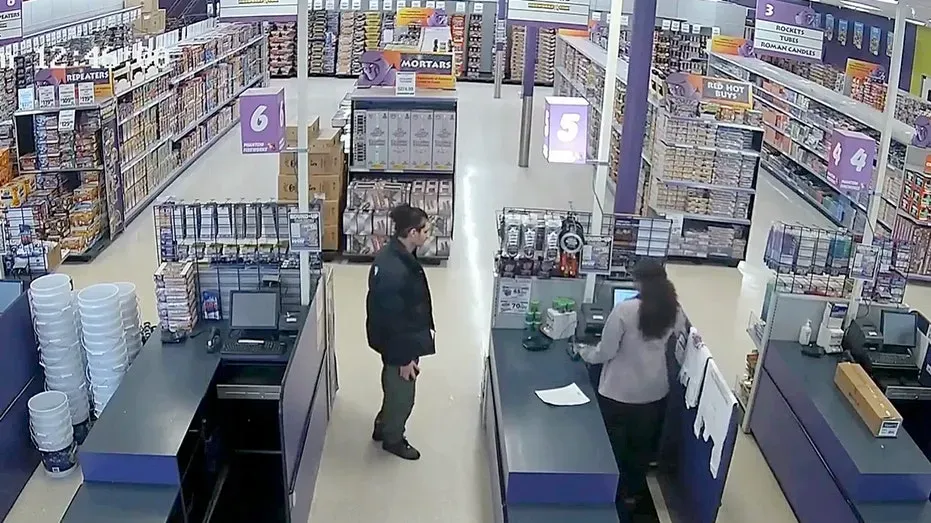
A low-cost fuse purchase may sound minor until investigators place it next to timing, travel, communications and physical evidence. That is why prosecutors will focus on sequence. Who bought what, where it went, who handled it and how it allegedly reached the device all matter. A weak link in that chain could damage the case even if the broader story sounds persuasive.
Prevention Questions Follow
The case also raises a harder public safety question: whether warning signs were visible before the attack. Authorities should examine online activity, prior reports, access to materials and whether local systems had any realistic chance to intervene. That review should be factual, not a search for easy villains after the fact.
The prevention record should also include mundane failures: whether store reporting rules were realistic, whether agencies shared tips quickly and whether youth intervention systems had any contact with the accused before the alleged attack. Those details are less dramatic than the blast, but they are where future prevention lives.
Courtroom Standard
The severe conclusion is that terrorism-adjacent cases cannot be tried through press summaries. If the teens are guilty, prosecutors should prove intent, capability and participation with disciplined evidence. If the evidence is thinner than the language, the public deserves to know that too. The target was high profile. The legal standard should remain higher.
Because the accused are teenagers, the case also carries a youth-radicalization question that should be handled carefully. Age does not erase responsibility, but it does require investigators and reporters to ask how intent developed, who influenced whom and whether adults or online communities played any role.
The target matters because Gracie Mansion is both a residence and a symbol of city government. Prosecutors may use that symbolism to argue motive, but they still have to prove the specific acts alleged. Political shock cannot fill gaps in evidence.
Defense attorneys will likely examine the reliability of surveillance, handling of residue and interpretation of purchases that may look suspicious only after investigators connect them to a theory. That scrutiny is not a loophole. It is the mechanism that distinguishes a strong case from a frightening story.
The public should also avoid treating the accused age as proof in either direction. Teenagers can be manipulated, reckless, dangerous or wrongly accused; none of those possibilities removes the need for evidence. The courtroom has to sort conduct, intent and responsibility without letting fear do the work.
Federal authorities should also explain why the case belongs at that level. If the evidence points to interstate activity, explosives or a political target, federal involvement may be justified. Stating that basis clearly helps the public understand the scale of the charge without relying on sensational shorthand.
What Prosecutors Must Prove
The case now depends on evidence that survives court scrutiny, not on the shock value of the target or the age of the accused.