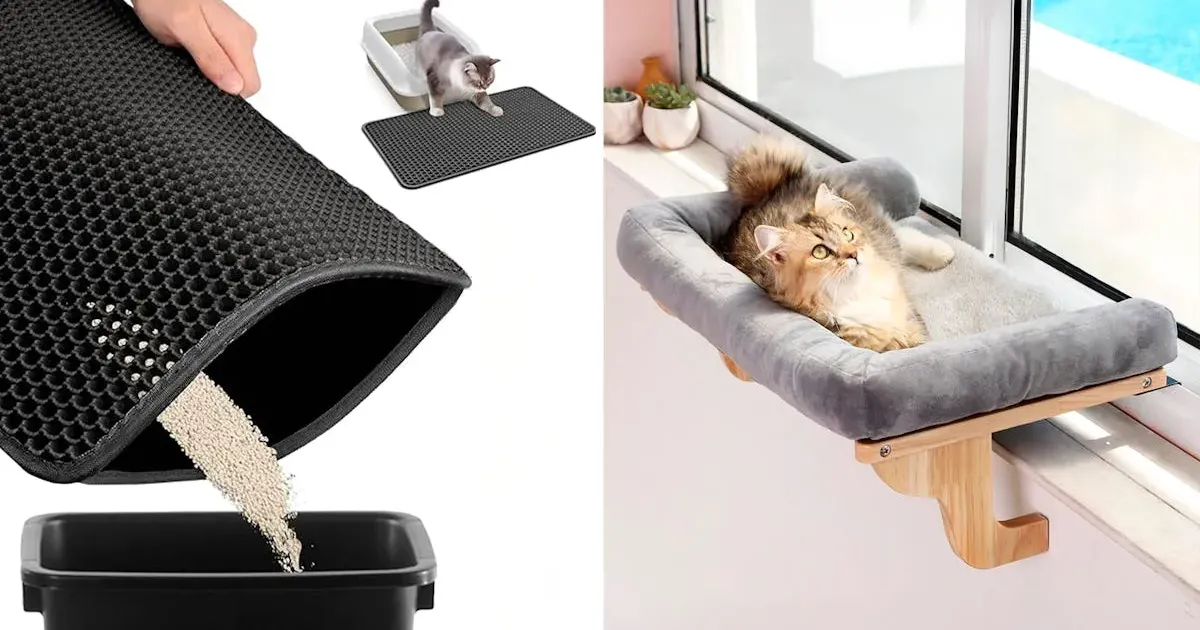
Feline wellness products are becoming a larger pet retail category because cat owners are spending on comfort, enrichment and health routines that once looked excessive. The trend includes odd-looking gadgets, supplements, beds and grooming products, but the strongest sellers usually solve a recognizable daily problem. Retailers want the category to feel caring rather than gimmicky. That distinction matters because pet shoppers can be loyal, but they also reject products that seem to invent anxiety. Cat owners were being targeted with a wider range of feline wellness products. Feline wellness products are growing as owners spend more on observable pet care. The strongest pet products solve a routine problem; the weakest ones simply attach wellness language to a purchase owners did not need.
The useful test is whether a product improves feeding, litter, play, mobility, stress or veterinary follow-up. Without that practical link, the trend risks becoming novelty packaging for ordinary items.
The trend reflects how wellness language has moved from human products into pet care. Some items may solve real problems, while others rely on anxiety, novelty and social-media packaging. The market is growing because cat owners increasingly treat enrichment, anxiety and nutrition as connected parts of the same household routine. Wellness language can be useful when it pushes owners toward hydration, play and preventive care.
Why Cat Wellness Became a Market
Buyers need to separate veterinary value from marketing theater. That distinction matters because caring owners can be easy targets for expensive claims. That can be good when products encourage movement, hydration or better observation of health changes. It becomes less useful when expensive products promise emotional reassurance without solving a specific health or behavior problem.
It becomes weaker when odd gadgets are sold as wellness without veterinary support. The most credible pet products will be the ones that fit veterinary guidance and daily routines.
The best test is whether the product solves a real behavior problem after the first week of curiosity. That makes buyer skepticism part of responsible care, not a rejection of innovation.
The strongest products in this category usually make care more observable. Owners want signs that a cat is drinking more, moving better, grooming calmly or showing less stress. Products that cannot connect to those outcomes risk becoming novelty purchases.
Pet wellness products win when they solve ordinary problems. Cat owners may try an odd gadget once, but repeat spending depends on feeding, litter, mobility, play or veterinary follow-up becoming easier. Without that practical use, the trend becomes novelty packaging for anxiety.
What Buyers Should Question
That is why the wellness boom should be judged by outcomes at home: calmer behavior, better feeding routines, more movement or clearer health monitoring. Products that cannot meet that standard are probably novelty purchases, even when the packaging sounds caring. That is why the oddest products still deserve a simple test: does the cat use it, does it reduce a real problem, and would a veterinarian recognize the benefit. If not, wellness may be serving the owners anxiety more than the animal's health. The category will keep growing if owners feel the products make daily care easier and more observable.
It will lose credibility if the oddest items crowd out basic guidance on diet, play, litter habits, stress and regular veterinary checks. That practical filter matters for every purchase. Owners should treat that question as the baseline before paying for another wellness-branded device.