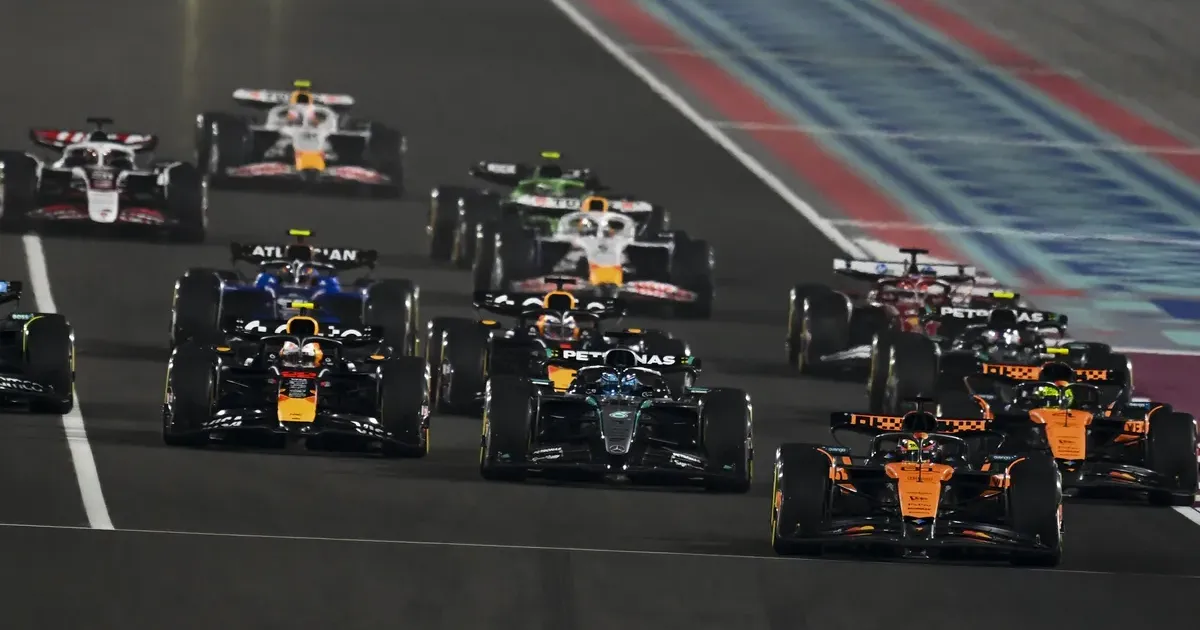
Free streaming platforms are changing the economics of sports media by making live and near-live coverage feel less tied to the old cable bundle. The shift was increasingly visible by March 12, 2026, as leagues, broadcasters and advertisers studied where younger audiences were actually watching games. The disruption is not simply that sports are appearing online. It is that free, ad-supported access changes what fans expect to pay for.
Rights Meet Reach
Traditional sports media was built on scarcity. Networks paid for rights, distributors sold bundles and fans who wanted games often had to pay for channels they barely watched. Free streaming platforms challenge that model by offering reach. A league can place highlights, alternate broadcasts or lower-tier rights in front of users who would never buy a full sports package. The tradeoff is revenue certainty. A guaranteed rights fee from a broadcaster is easier to value than advertising income across fragmented streaming audiences.
Advertisers Follow Attention
Advertisers care less about the delivery method than the audience. If younger fans spend time on ad-supported streaming services, brands will follow them there. That gives platforms leverage. They can package sports with targeting, interactive ads and measurable viewing behavior that traditional television cannot always match.
The phrase free streaming sports does not mean sports become cheap to produce. It means the cost is carried differently, through advertising, sponsorship and data-driven distribution.
What Leagues Must Decide
Leagues now have to divide rights more carefully. Premium live games may remain expensive, while shoulder programming, international feeds, youth competitions or archive content may move to free platforms. That strategy can grow fandom without destroying the value of marquee rights. The risk is confusing viewers with too many apps, blackout rules and partial packages.
Sports rights owners are experimenting because the old television ladder no longer captures every fan. Some viewers still pay for premium packages, while others follow teams through clips, social feeds and free ad-supported channels.
Free platforms can serve as a discovery layer. A casual viewer may not pay for a subscription, but they may watch a free match, follow a player and eventually become valuable to a league in other ways. The challenge is protecting the premium product. If too much valuable content moves into free environments, pay-TV partners may question why they are paying so much for exclusivity. That is why sports media is becoming a portfolio business. Leagues are learning to decide which games sell subscriptions, which games build audience and which shoulder programming keeps fans engaged between major events. Traditional broadcasters still have advantages in production, distribution and habit. But free streaming platforms are proving that reach itself can be a form of rights value. This does not mean the cable bundle disappears overnight. Major events still benefit from reliable distribution, professional commentary and the marketing power of established broadcasters. The change is that the bundle no longer has exclusive control over discovery. For fans, the shift can be both liberating and frustrating. More free access means more entry points, but it can also mean scattered schedules, changing rights packages and uncertainty over where a specific game will appear. The strongest platforms will be those that make free viewing feel organized rather than random. Search, notifications, highlights and replay availability may matter almost as much as the live feed itself. Sports media is therefore moving toward segmentation. Premium contests remain protected, while free windows build habit, capture casual viewers and create advertising inventory that did not exist in the old bundle. Smaller leagues may benefit first because they have less to lose from experimentation. A free platform can give them visibility that traditional broadcasters would not prioritize, while advertisers get a cheaper route to engaged fans. The pressure on traditional networks is still real. They must prove that their premium packages offer reliability, editorial quality and must-watch exclusivity that free platforms cannot easily match.
The next phase will likely be negotiated rather than revolutionary. Rights owners will keep their biggest assets protected while using free streaming to widen the funnel and keep younger fans close to the sport.
Measurement will decide how quickly the model grows. If free platforms can prove that viewers stay through ads, return for related coverage and convert into paid fans for bigger events, leagues will treat free access as a strategic funnel rather than a giveaway.
That creates a different negotiation with broadcasters. The question is no longer only who pays the most. It is which partner can build the deepest relationship with casual and committed fans across screens, clips, replays, full events and follow-up coverage throughout the season.
The winning model will likely be mixed. Fans will pay for must-see live events, but free streaming will keep reshaping how sports stay visible between those events.