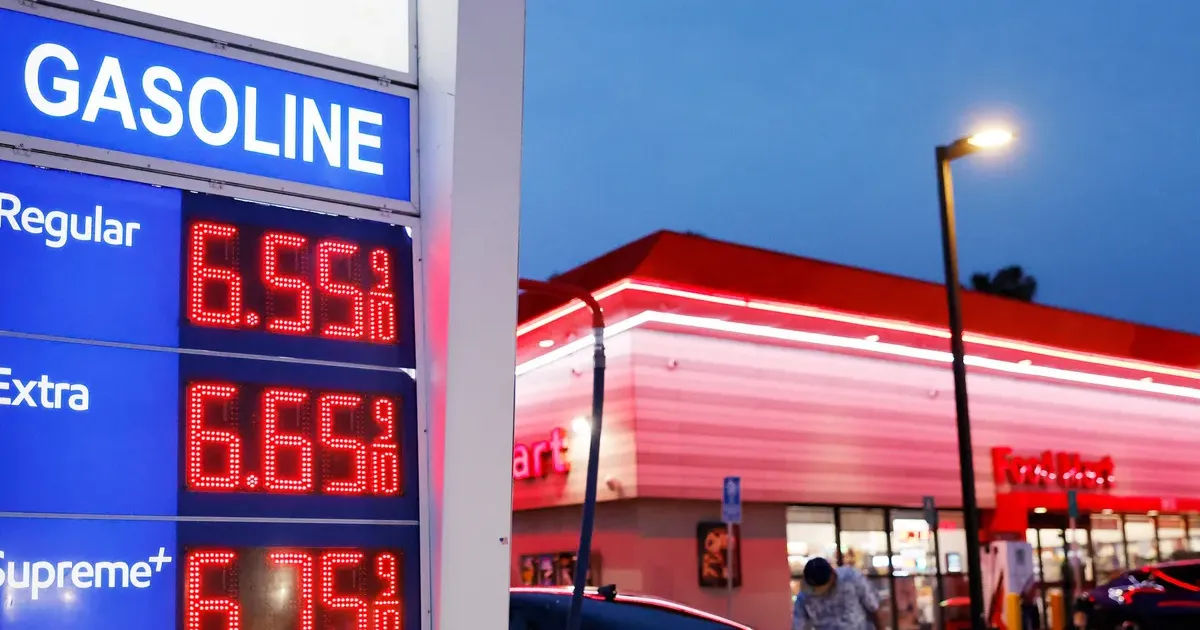
Gasoline retailers across the United States adjusted their price boards to reflect a national average exceeding $4 a gallon for the first time in several years. On March 31, 2026, the national fuel shock became visible in daily household budgets. Rapidly escalating tensions in the Middle East have disrupted key shipping lanes and tightened global supplies. Market analysts at the New York Times report that the psychological threshold of four dollars often triggers immediate changes in commuter habits.
Conflict in the oil-rich region shows no signs of resolution, leading to volatility in West Texas Intermediate futures. Investors have priced in the risk of a prolonged shutdown of the Strait of Hormuz. A scenario like that would remove millions of barrels from the daily global output. Drivers in California and the Pacific Northwest see prices closer to five dollars. Regional refineries cite maintenance cycles and seasonal blending requirements as secondary factors for the spike. Localized costs add a layer of complexity to an already strained domestic energy market.
Reports from the Washington Post suggest that certain vehicle segments will feel the impact of these prices more sharply than others. Large SUVs and heavy-duty pickup trucks are the most vulnerable to shifting fuel costs. Manufacturers that have prioritized internal combustion engines over hybrid or electric alternatives face a difficult sales environment.
Middle East Conflict Disrupts Global Oil Supply
Crude oil prices climbed 15 percent over the last month because diplomatic efforts failed to secure a ceasefire. Military activity near major extraction sites has forced international petroleum companies to evacuate non-essential personnel. Insurance premiums for tankers traveling through the Persian Gulf have tripled since January.
OPEC+ members have yet to announce any production increases to offset the losses. Saudi Arabia maintains its current quota levels, citing a need for market stability. This cautious approach by the cartel leaves Western nations with few options to lower costs at the pump. Strategic petroleum reserves in the United States sit at their lowest levels in decades. Previous releases intended to curb inflation have limited the current administration's ability to intervene. Domestic production reached record levels, yet the global nature of oil pricing prevents local supply from insulating American consumers.
Automotive manufacturers also face a shift in consumer demand. Dealerships across the Midwest report a sudden surplus of used V8-powered vehicles. Trade-in values for high-displacement engines dropped by nearly 12 percent in the last three weeks. Consumers instead inquire about fuel-efficient crossovers and plug-in hybrids.
The average price of gasoline in the US has topped $4 a gallon, a multiyear high, as war in the Middle East roils the oil market and slams drivers.
Toyota and other manufacturers with solid hybrid lineups see increased foot traffic. Wait times for the most efficient models extended to six months in some metropolitan areas. Production bottlenecks for battery components still hamper the ability of these companies to meet the sudden surge in interest. American automakers like Ford and General Motors invested heavily in electric truck platforms. High-interest rates, however, make the financing of these expensive new vehicles difficult for the average family. Inventory levels for the Ford F-150 Lightning and Chevrolet Silverado EV grew because buyers hesitate at the sticker price.
Financial Impact on American Household Budgets
Disposable income for the bottom 40 percent of earners is being swallowed by transportation costs. Families in rural areas often drive twice as far as their urban counterparts to reach employment centers. These individuals have no access to public transit and few alternatives to their current vehicles.
Grocery prices are expected to follow the upward trend of fuel. Diesel costs, which power the nation's trucking fleet, have risen even faster than unleaded gasoline. Logistics firms are passing these surcharges directly to retailers and wholesalers. This financial pressure reaches every corner of the domestic supply chain. Credit card debt reached a new peak as consumers use revolving lines to cover basic necessities. Bank of America data indicates a correlation between gas price spikes and a slowdown in general retail spending. Discretionary sectors like dining and entertainment show the first signs of contraction.
Small businesses also feel the pressure because delivery routes, contractor travel and service calls become more expensive before customers accept higher prices. That lag can squeeze margins even when broader economic data still looks stable.
Rural households face an added strain because longer driving distances make fuel inflation harder to avoid or offset with transit options. The result is a price shock that feels immediate even before monthly inflation reports catch up.
Household Pressure From Fuel
Fuel prices matter because they hit families repeatedly, not once. Commuting, school runs and grocery delivery all become more expensive when gasoline stays above $4 a gallon. The political risk is equally direct. Even if inflation models treat energy as volatile, voters see the price at the pump before they see any broader economic explanation.