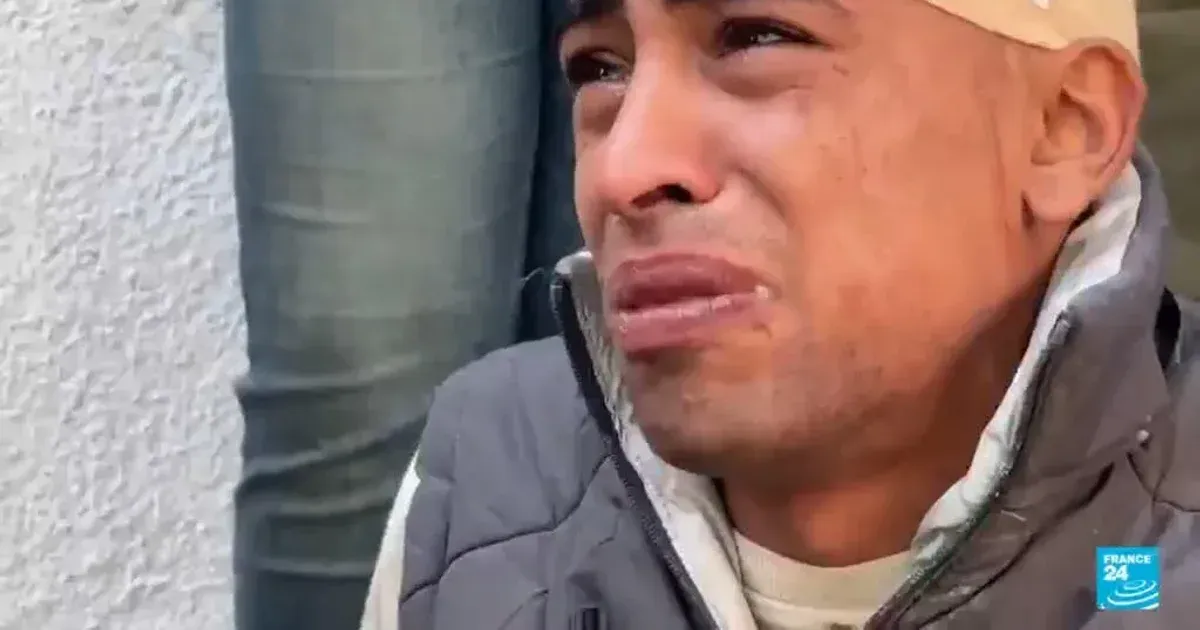
Residents of Gaza City gathered on Thursday for funeral prayers for ten people killed in Israeli strikes the night before. The Eid strikes turned a religious gathering into another emergency scene for families already living under wartime restrictions. That timing gives the civilian toll a sharper political and humanitarian weight. The gathering took place on May 28, 2026, as the territory marked its third consecutive Eid under wartime restrictions.
Medical staff at Shifa Hospital confirmed that more than 20 people suffered injuries in the barrage. Among the victims were five children and an elderly person, according to records maintained by the medical facility. While Israel targeted a building in the Shati refugee camp, the resulting civilian toll has drawn sharp condemnation from local families and international observers. Doctors at the hospital, which currently operates as the primary trauma center for northern Gaza, described a night of frantic triage under minimal lighting.
Prime Minister Benjamin Netanyahu meanwhile reiterated his commitment to maintaining wider security controls over the enclave. This stance complicates international efforts to establish a lasting ceasefire during the festive period. Officials in Jerusalem say operations target specific militant infrastructure within densely populated areas. The Prime Minister indicated that military oversight would persist indefinitely to prevent militant groups from regrouping.
Israel will maintain wider security controls over the Gaza Strip for the foreseeable future to prevent the resurgence of militant activity.
Footage from the scene in Shati showed bystanders rushing wounded children to waiting ambulances while smoke billowed from the upper floors of the impacted building. One Hamas militant was among the casualties, though the presence of numerous non-combatants remains the primary focus for local rescue teams. Shati, often referred to as Beach Camp, is characterized by narrow alleys and interconnected concrete structures that worsen the impact of any aerial munitions.
Eid Observances Disrupted by War
Religious leaders noted that Eid al-Adha in Gaza this year arrived without the traditional animal sacrifice or the opportunity for Hajj. Blockades and ongoing combat have prevented the import of livestock necessary for the ritual. Many families spent the day mourning at gravesides rather than sharing celebratory meals. The absence of cattle and sheep in local markets has fundamentally altered the character of the four-day festival.
For many families, mourning and shortages replaced the usual holiday gatherings.
Military analysts said the timing of the strikes showed that operations were continuing through the religious observance. Previous years often saw temporary lulls during major holidays, but current operational directives appear focused on immediate tactical objectives. The strike on the Shati refugee camp building reflects the continuation of high-intensity urban warfare during the festive calendar.
Humanitarian agencies report that the lack of livestock for sacrifice reflects a broader collapse of the local agricultural and import sectors. Most Gazans cannot access the markets required for Eid preparations due to a combination of restricted border crossings and destroyed infrastructure. Inflation and scarcity have turned a period of plenty into one of severe deprivation for the 2.3 million residents of the strip.
Netanyahu's vow for wider control suggests a long-term administrative presence that many regional actors oppose. Such a move would require extensive military resources and likely lead to further friction with the civilian population. Israeli cabinet members continue to debate the logistics of a permanent security buffer along the northern and eastern perimeters.
Hospital Strain and Civilian Losses
Shifa Hospital continues to operate under extreme pressure with limited medical supplies. Staff reported that several of the 20 injured survivors remain in critical condition. Surgical teams worked through the holiday night to treat shrapnel wounds and burns, frequently running out of basic anesthetics. The hospital itself has faced repeated power failures, forcing medics to use handheld torches during emergency procedures.
Local families stated that the building in Shati housed multiple displaced relatives who had fled from other parts of the city. Witness accounts describe a sudden impact that collapsed interior walls without prior warning. The elderly victim was reportedly trapped in a lower-level apartment during the initial blast, making rescue efforts nearly impossible during the height of the fire.
International observers have called for a humanitarian window to allow for Eid celebrations and the safe distribution of food. These requests have largely gone unheeded as combat operations move into new residential blocks. Every strike in a camp like Shati carries a high risk of civilian harm because of extreme population density and the proximity of family dwellings to potential military targets.
Civilian Losses Complicate Israel's Wider-Control Plan
Maintaining military control over Gaza while civilian casualties mount creates a diplomatic obstacle for Israel's regional partners. The timing of these strikes during Eid al-Adha amplifies resentment across the Middle East, potentially stalling normalization talks with neighboring states. Security analysts observe that tactical victories against individual militants often come at the cost of long-term stability if the humanitarian toll remains this high.
Netanyahu's insistence on wider control may alienate Western allies who favor a transition to Palestinian-led governance. Persistence in high-intensity urban operations risks a permanent cycle of insurgency instead of a stable resolution. Neighbors like Egypt and Jordan face domestic pressure to respond more forcefully to the images of children killed in refugee camps. Future stability depends on whether Jerusalem can balance security needs with the basic requirements of the civilian population. A failure to do so could leave the border more volatile for years to come.