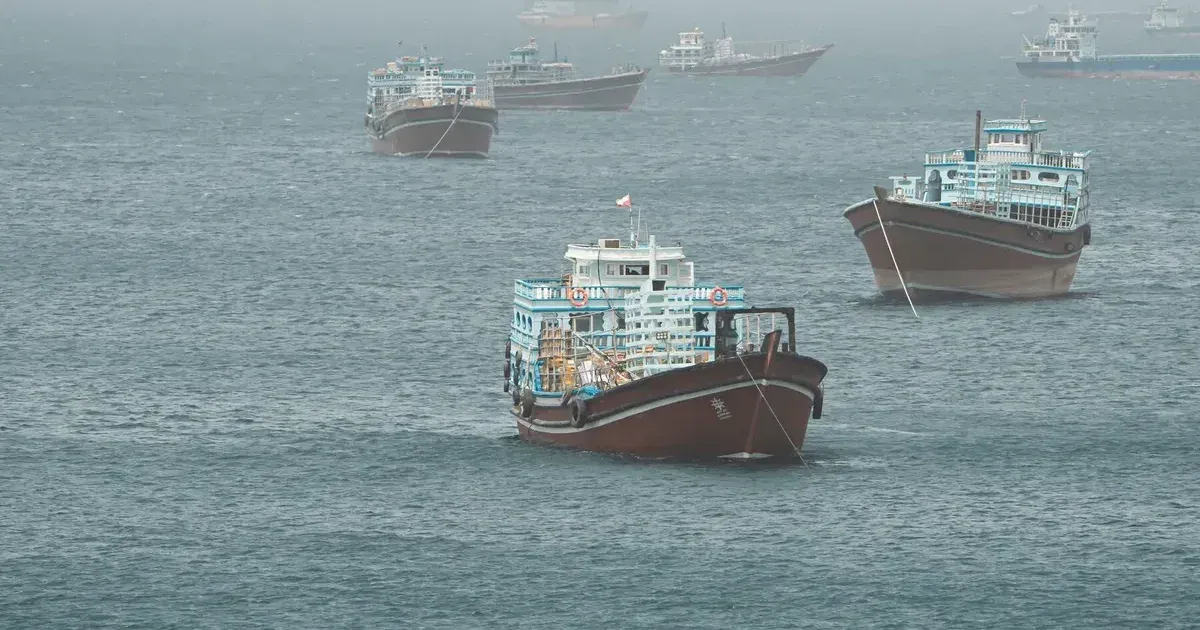
President Donald Trump faces criticism from Republican hawks as U.S. and Iranian officials discuss a narrow framework to ease a three-month naval crisis. The draft, described by officials on May 24, 2026, focuses on reopening the Strait of Hormuz to commercial shipping while seeking Iranian concessions on uranium stockpiles. Washington has struggled to maintain maritime security in the region since hostilities escalated earlier this year.
Negotiation teams are still working through the wording of the agreement, and neither side has presented a final signed text. The most sensitive provisions involve how uranium stockpiles would be transferred, monitored or placed under outside supervision. White House advisers contend that restoring shipping through the Persian Gulf must come before a broader regional settlement. Critics in the Senate argue that this narrow approach leaves major security questions unresolved.
The strongest objections center on what the draft does not appear to cover.
According to reporting on the negotiations, the current framework does not include clear restrictions on Iran's ballistic missile program. It also lacks a permanent moratorium on future enrichment activity. Those omissions have generated friction inside the Republican Party, as lawmakers who previously supported pressure on Tehran now question the administration's exit strategy. Senator Ted Cruz and Senator Lindsey Graham are leading the internal opposition against the deal.
Hormuz Framework Leaves Nuclear Questions Open
Diplomatic efforts surged over the weekend as the economic toll of the shipping blockade reached critical levels. Under the proposed framework, Iran could gain relief from certain maritime restrictions in exchange for limits on nuclear fuel reserves. U.S. officials have described the talks as a necessary step to prevent further military escalation. The naval crisis has already caused losses for international shipping firms and a spike in global fuel prices.
Both sides still must resolve disputes over verification, timelines and the specific ports included in the reopening plan. Negotiators have spent weeks debating the definition of nuclear material and the process for confirming compliance. While the draft focuses on uranium, it remains less clear on the infrastructure required to produce it. That narrow focus has drawn criticism from defense analysts who argue that a temporary fuel transfer would not eliminate Iran's long-term capabilities.
The administration argues that reopening the Strait of Hormuz is the immediate priority because a large share of the world's oil supply remains exposed to Iranian naval pressure. Security of the waterway is the primary objective of the White House negotiating team. Economic pressure within the United States continues to mount as domestic gas prices rise. Negotiations regarding the Iran peace deal involve key figures including Jared Kushner, who has helped steer the diplomatic process.
Internal memos suggest that the framework could take several more days to finalize. Iranian representatives remain cautious about inspection language, especially if it touches military sites or future enrichment capacity. They have signaled willingness to discuss uranium stockpiles but have resisted bringing ballistic missiles into the same package. That refusal creates a friction point that may yet stall the process.
Senate Republicans Rebuke Proposed Concessions
GOP foreign policy hawks described the draft as a strategic failure during a briefing on Capitol Hill. They argued that the administration is giving away leverage gained during months of military and economic pressure. Senator Lindsey Graham suggested that the proposal does not meet the core objectives set at the beginning of the confrontation. These lawmakers are concerned that a deal focused on shipping and uranium ignores the broader threat posed by Iranian regional proxies.
Republican hawks have issued a rare rebuke of Trump over the planned peace framework with Iran, describing it as a dangerous shortcut and questioning why the United States applied military pressure if the final text leaves missiles untouched.
Cruz joined the criticism by arguing that the U.S. should not rush into an agreement that allows Iran to retain enrichment technology. The consensus among these Republican critics is that the current proposal gives Tehran room to rebuild its economy without fundamentally changing its behavior. They contend that the White House is prioritizing short-term economic relief over long-term national security. The split is a rare instance of direct public disagreement between the president and some of his most reliable Senate allies.
President Trump responded by saying the U.S. will not rush into a finalized pact. He has insisted that his administration is seeking the best possible terms and will walk away if the final wording is unsatisfactory. While he has acknowledged concerns from Senate allies, the president has emphasized the importance of ending the naval conflict. The administration is now trying to balance the demands of hawks with the cost of an expensive and open-ended regional crisis.
What the Backlash Changes
The proposed framework is a calculated shift toward tactical de-escalation. By narrowing the scope to uranium and maritime passage, the administration is attempting to separate immediate economic interests from broader geopolitical goals. The approach could provide a rapid exit from an expensive naval conflict while allowing the White House to claim progress on nuclear risk. The omission of missile technology and enrichment infrastructure, however, creates a vulnerability that domestic critics will continue to exploit.
The resilience of GOP opposition suggests that the president may face a difficult political process if the framework proceeds in its current form. Failure to secure support from key senators could undermine the international credibility of the agreement. If Tehran perceives a fractured American government, its negotiators may demand further concessions or slow implementation. The White House must now decide whether to amend the draft to include missile restrictions or move forward with a narrow deal that risks a deeper rupture with its political base.