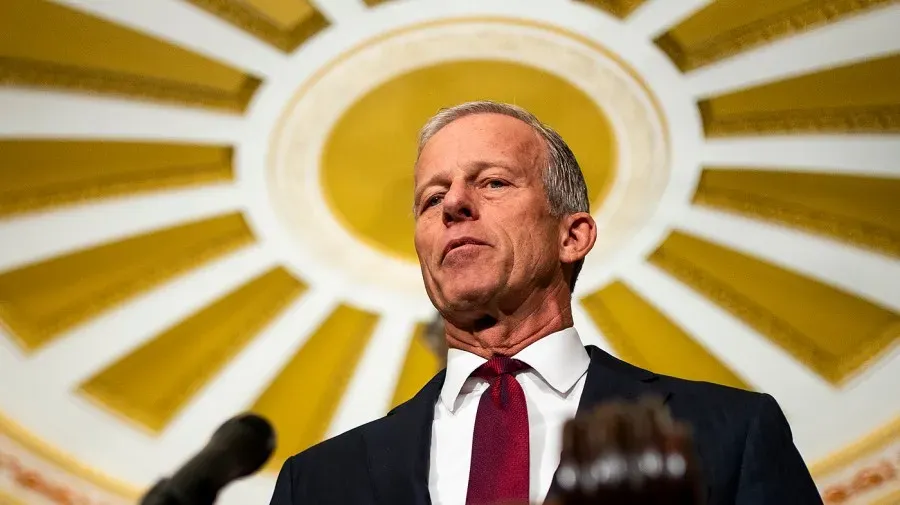
Republican leaders are warning that economic turbulence could turn the 2026 midterms into a referendum on household pressure rather than party priorities. The concern was already present inside the party. It sharpened after March 12, 2026, as gas prices, inflation anxiety and Senate procedural fights began colliding in public. The party can argue about election rules and legislative strategy, but voters often judge power through the cost of daily life.
Republican leaders fear economic turbulence could turn the 2026 midterms into a referendum on household pressure rather than party priorities.
Economic Anxiety Hits the Map
Midterm elections are usually difficult for the party in power. They become harder when voters believe leaders are distracted from prices, wages and financial stability. The immediate worry is midterm election odds in districts and states where a small shift in economic mood can decide turnout. Gas prices are especially dangerous because they are visible. A voter may not follow Senate procedure, but they know what it costs to fill a tank.
Legislative Strategy Adds Friction
Republican leaders also face pressure from activists and the White House to advance voting legislation that may not have the votes to pass cleanly. That creates a messaging problem. If the party spends political capital on a fight it cannot win, Democrats can portray the effort as distraction while economic concerns grow. Senate leaders must balance base demands with chamber reality. Procedural escalation may satisfy online supporters, but it can also expose divisions if the result is failure.
Gas Prices Undercut the Message
Energy costs connect foreign policy, inflation and domestic politics. If prices rise because of conflict or supply risk, Republicans may struggle to keep attention on their preferred issues. The party's message is strongest when it can blame opponents for economic pain. It becomes more complicated when voters see Republicans controlling key levers of government. That does not mean the midterms are decided. It means the economy can compress every other debate into a simple question: do voters feel better or worse?
What Leaders Need
GOP leaders need a clearer economic argument that goes beyond blaming turbulence. They must show how their priorities would reduce pressure on households. They also need discipline. Mixed messages about war, fuel, voting rules and Senate tactics can make the party look reactive. The risk is not one bad headline. It is a pattern in which voters conclude that leaders are fighting symbolic battles while costs keep rising.
The Pump Can Redraw the Map
Economic turbulence does not guarantee a midterm backlash, but it changes the terrain. Candidates in competitive races will localize the issue and distance themselves from fights that do not help. If fuel prices stabilize, Republicans may regain room to define the election on immigration, culture and security. If prices keep rising, those themes may become secondary.
The party's best defense is focus. A disciplined economic message, paired with realistic claims about energy and inflation, would reduce the risk that procedural battles dominate the news. Without that discipline, leaders will spend more time managing internal pressure while voters judge them on external conditions.
The warning from party leaders is therefore practical. The midterm map may be drawn in politics, but it can be redrawn at the pump.