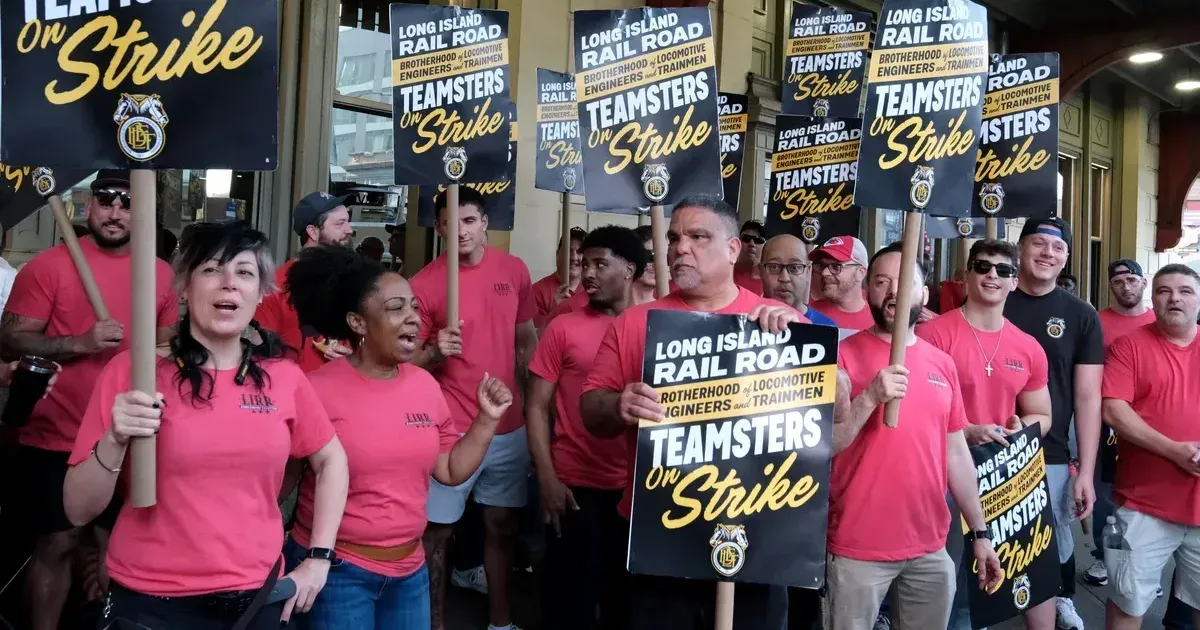
New York state leaders secured a resolution to the transit crisis that paralyzed regional travel for three days. The settlement announcement turned a commuter crisis into a ratification test for union members. State officials now have to restart service while explaining how the deal affects future fares. Governor Kathy Hochul confirmed the breakthrough on May 19, 2026, stating that the Metropolitan Transportation Authority (MTA) and five labor organizations reached a tentative agreement. The deal brings a conclusion to a walkout that stranded hundreds of thousands of commuters and choked arterial roads across the Long Island suburbs.
Governor Kathy Hochul characterized the settlement as a fair outcome that balances the financial needs of railroad employees with the fiscal constraints of the transit system. While specific contract details remain under wraps until union members review the terms, the governor emphasized that the agreement provides raises for workers while protecting taxpayers. The strike had effectively halted North America’s busiest commuter rail network, forcing residents to navigate a landscape of gridlocked highways and overcrowded alternative transit hubs.
Commuters faced three days of serious disruption as the five unions representing Long Island Rail Road engineers, conductors, and maintenance staff walked off the job. This labor action stemmed from an enduring dispute over wage adjustments and pension contributions. The work stoppage triggered what many local officials described as total commuter chaos, particularly at major transit nodes like Penn Station and the newly opened Grand Central Madison terminal.
The agreement ends the immediate threat of a prolonged shutdown that could have crippled the regional economy. Negotiators from the MTA and the various labor groups met late into the evening to hammer out the final language of the pact. Sources familiar with the talks indicated that the urgency to reach a deal intensified as the three-day walkout began to impact commercial activity in Manhattan and suburban business districts. The labor organizations involved had previously argued that their members deserved compensation that kept pace with the high cost of living in the New York metropolitan area.
Service Restart Timeline
Limited service is scheduled to resume at noon on Tuesday, according to the official timeline released by the governor's office. Restoring a rail system of this magnitude involves complex logistical maneuvers, including the repositioning of dozens of trains and the inspection of hundreds of miles of track. MTA officials warned that while trains will begin moving by midday, a return to the full, regular schedule might not be realized until the following morning. Crew members must be called back to their posts and verified for duty after the 72-hour hiatus.
"Tonight, the MTA reached a fair deal with the five LIRR unions that delivers raises for workers while protecting riders and taxpayers," Hochul said.
Labor leaders expressed cautious optimism following the announcement of the tentative deal. Five unions involved in the negotiations represent a diverse cross-section of the LIRR workforce, ranging from those who operate the locomotives to the technicians who maintain complex signal systems. Each union must now present the agreement to its respective membership for a formal ratification vote. If the members reject the terms, the threat of further labor unrest could return, though the current deal is seen as a definitive step toward long-term stability.
State officials worked to coordinate the reopening of key transit corridors as news of the settlement spread. The New York City Department of Transportation and the MTA had implemented emergency bus bridges and increased subway frequency during the strike to reduce the loss of the rail line. These measures, while helpful, could not fully absorb the volume of 300,000 daily riders who typically rely on the LIRR to reach their destinations. Records indicate that traffic congestion on the Long Island Expressway reached peak levels during the strike period.
Contract Ratification and Cost Questions
Wage increases became the central foundation of the negotiation process. The MTA has been navigating a difficult financial environment, balancing the need for capital improvements with rising operational costs. Taxpayer protection was a key demand from the governor's office throughout the discussions, ensuring that the raises did not require a sudden hike in fares for the general public. The final agreement reportedly includes performance metrics and structural changes intended to improve system efficiency over the life of the contracts.
Broad public relief followed the news that the strike would not extend into the latter half of the week. Businesses in the transit-adjacent zones of Long Island had reported a sharp decline in foot traffic as customers stayed home to avoid the travel difficulties. The resolution of the strike allows these local economies to begin recovering from the three-day slump. Major employers in the city also welcomed the news, as the return of reliable rail service ensures that their workforce can resume normal operations without the burden of excessive commute times.
Transit Labor Consequences
Swift resolution of the LIRR strike prevents a cascading political crisis for the Hochul administration. By brokering a deal within three days, the governor avoided the long-term economic damage that usually accompanies extended transit walkouts. The phrasing of the deal as a victory for both workers and taxpayers is a calculated move to satisfy labor allies while reassuring fiscal conservatives who are wary of MTA spending. This balance is critical as the state looks toward upcoming legislative sessions where transit funding will remain a top-tier debate.
The labor agreement sets a potential benchmark for other transit unions in the region. Maintaining labor peace on the Long Island Rail Road is essential for the MTA as it tries to justify current fare structures and push for continued infrastructure investment. If the raises included in this deal exceed previous projections, the agency might need to find internal savings to prevent future budget shortfalls. Strategic focus now shifts to the ratification process, which will determine if the union rank-and-file share the optimism of their leadership.
Keeping the railroad operational is a requirement for New York's broader transit-oriented development goals. Any prolonged instability in the LIRR workforce threatens the viability of large investments like the Grand Central Madison expansion. The success of this negotiation suggests a preference for rapid, high-level intervention over protracted public legal battles. Future labor disputes within the MTA umbrella will likely be viewed through the lens of this three-day resolution, establishing a blueprint for executive involvement in regional transit crises.