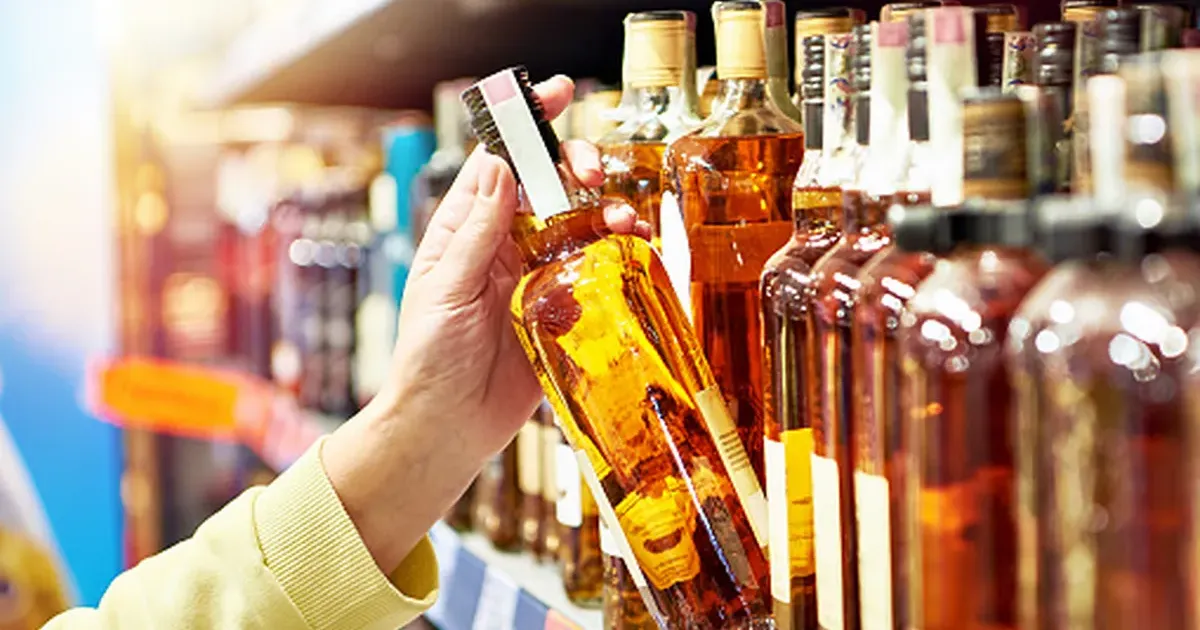
Walking down the beverage aisle of a modern supermarket feels like managing a carefully curated museum of massive brands.
The retail contest had been building across several states. It moved into a sharper phase. On March 12, 2026, grocery chains turned the spirits fight into a broader retail issue.
Major retailers like Kroger or Albertsons prioritize high-volume sales, stocking their shelves with recognizable labels that appeal to the widest possible demographic.
Efficiency remains the primary goal for these corporate giants.
They utilize sophisticated inventory algorithms to ensure that every square inch of shelf space generates maximum revenue. Liquor stores, by contrast, often operate as the last bastions of variety and specialized expertise in a consolidating retail market. While a grocery store might offer twenty different types of light beer and three varieties of chardonnay, a dedicated spirit merchant can stock hundreds of unique labels that never see the inside of a supermarket. This disparity in selection stems from a complex history of regional temperance movements and post-Prohibition lobbying.
The Three-Tier System and Its Grip on Retail
Modern alcohol distribution in the United States still operates under the shadow of the 21st Amendment. State legislatures maintain individual control over how alcohol is sold, creating a fragmented market that frustrates national chains. In states like Pennsylvania or Utah, the government maintains a monopoly on liquor sales, leaving grocery stores to fight for the right to sell even low-percentage beer. These state regulations dictate the physical layout of stores and the hours of operation. Boutique shops thrive in this environment by offering products that national distributors overlook. Small-batch distilleries often lack the production capacity to supply a thousand-store grocery chain, so these artisanal spirits find a home on the dusty shelves of local liquor stores where clerks can explain the nuances of a single-barrel rye to a curious customer. Retailers understand that the grocery store model relies on speed. Most shoppers spend less than two minutes in the alcohol section of a supermarket. Such brevity precludes the discovery of niche brands or experimental vintages.
Profit Margins and the Politics of Shelf Space
Supermarkets view alcohol as a high-margin companion to food sales. Retailers often bundle wine with cheese or beer with charcoal to drive up the average transaction value. Profitability in the grocery sector is notoriously thin, often hovering around one or two percent. Alcohol provides a much-needed boost to these figures. Big-box stores negotiate massive contracts with international conglomerates like Diageo or Anheuser-Busch. These deals involve slotting fees and preferred placement, ensuring that global brands dominate the consumer's line of sight. This centralization simplifies logistics but kills the discovery process for the consumer. Liquor stores operate on a different financial reality. Their survival depends on becoming a destination for enthusiasts rather than a stop for convenience. They invest in cold storage for rare craft ales and climate-controlled rooms for vintage Bordeaux. Grocery stores rarely provide such specialized environments because the overhead costs do not align with their fast-turnover business model.
Geography defines the drinking experience in America. New York residents must visit a dedicated liquor store for a bottle of bourbon, as supermarkets are legally restricted to beer and wine products. California represents the opposite extreme, allowing grocery stores to sell a full range of spirits, wine, and beer. Even in these open markets, the selection remains distinctly different. A California supermarket might have a whole aisle of tequila, but it will almost certainly be the ten most popular brands. A nearby specialty shop will carry the mezcal produced in a single village in Oaxaca. This reality forces serious collectors to bypass the supermarket entirely. Convenience has a cost that rarely appears on the receipt. While the supermarket offers the benefit of one-stop shopping, it actively limits the cultural and culinary diversity of the spirit world. Shelves do not lie. They reflect the priorities of the owner, whether that is a corporate board of directors or a neighborhood connoisseur.
The Expertise Gap in Modern Retail
Employee training represents another significant divide between these two retail environments. A grocery store clerk is often a generalist who moves from the deli counter to the checkout line. They likely cannot tell you the difference between a Highland and an Islay Scotch. Liquor store staff, particularly in independently owned shops, are frequently enthusiasts or trained sommeliers. They provide a level of consultative service that a large chain cannot replicate. These experts track 2026 alcohol retail trends and anticipate shifts in consumer taste before they hit the mainstream. They know which small vineyards had a difficult harvest and which new craft breweries are worth the hype. Most supermarkets simply do not see the value in paying for that level of expertise. They prefer automated kiosks and digital signage to human interaction. For the consumer who knows exactly what they want, the supermarket is a triumph of logistics. For the consumer who wants to learn, it is a desert.
Technological shifts are slowly eroding the traditional boundaries between these stores. Third-party delivery services allow customers to order from a specialty liquor store with the same ease as a grocery delivery. Such a change has put pressure on supermarkets to expand their premium offerings to compete. We are seeing a slow integration of high-end wine rooms within some luxury grocery chains. Still, the fundamental difference remains the relationship with distributors. Grocery store beer vs liquor store spirits will always be a battle of volume versus variety. National retailers must cater to the median palate. They cannot afford to let a bottle of five-hundred-dollar cognac sit on the shelf for six months. A specialty shop views that same bottle as a sign of prestige and a draw for high-net-worth clientele. As we look toward the future of the industry, the divide will likely sharpen. Grocery stores will become even more efficient at delivering the basics, while liquor stores will lean harder into exclusivity and education.
Convenience Is Not the Same as Curation
The spirits fight is a distribution story disguised as a shelf-space fight. Grocery chains want convenience and volume, while specialty shops defend curation, expertise and the regulatory structure that has protected them.
The likely outcome will vary by state. Markets with looser rules may move toward broader access, while states with stronger three-tier protections may preserve the role of independent retailers for longer.