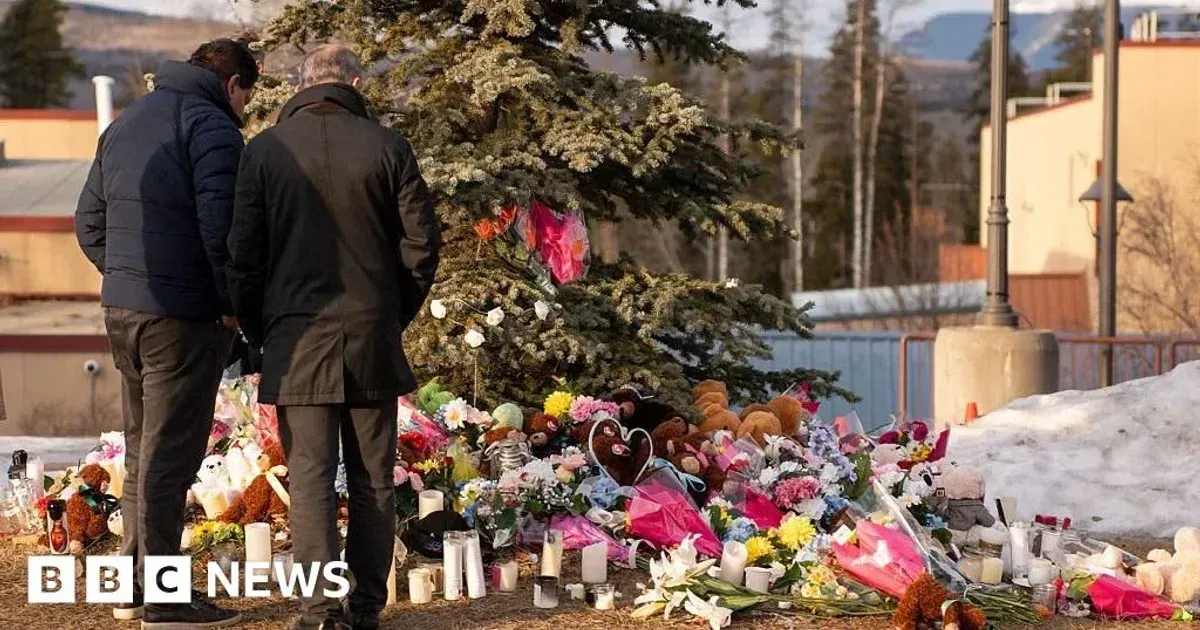
Gunfire shattered the morning routine at a secondary institution in southeastern Turkey when a former student targeted classmates and faculty. Sixteen individuals sustained injuries during the rapid sequence of shots. Tragedy struck the school community when the assailant turned the weapon on himself. Officials gave the casualty update on April 14, 2026. Preliminary reports from BBC World indicate that both students and teachers are among the wounded. Responders arrived to find a scene of chaos and panic. Local law enforcement cordoned off the facility within minutes of the first emergency calls.
Witnesses described a scene of confusion as the gunman entered the grounds. Many individuals initially mistook the sound of gunshots for construction noise. Panic spread once the gravity of the situation became apparent. Teachers directed students to shelter in place while the shooter moved through the corridors. Several classrooms became barricaded fortresses during the ten-minute ordeal. The perpetrator appeared to act alone throughout the event.
Gunman Attacks High School in Southeastern Turkey
Initial investigative findings suggest the shooter was a former student who had recently left the institution. Details regarding his specific motive remain scarce as police examine his digital footprint and personal history. Investigators recovered a semi-automatic handgun near the body of the assailant. Ballistics experts are currently analyzing the weapon to determine its origin. Sixteen people were transported to nearby hospitals for treatment of varying injuries. Some victims suffered life-threatening wounds, while others were treated for lacerations and shock.
Regional security officials increased their presence around other educational facilities in the province. Precautionary measures are standard procedure following such high-profile acts of violence. State media outlets provided limited details during the first hours of the crisis. By contrast, international news agencies moved quickly to document the scale of the casualty list. ABC News International reported that the shooter ended his life before tactical teams could make contact. No other suspects are currently in custody.
Educational records show the suspect had a history of disciplinary issues before his departure from the school. Faculty members recalled a quiet individual who often struggled with social integration. Psychological profiles are being developed by state investigators to understand the catalyst for the morning rampage. Family members of the shooter are currently cooperating with the police inquiry. Search warrants were executed at several residences linked to the suspect by mid-afternoon. Evidence collected includes electronic devices and handwritten notes.
"An assailant has opened fire at a high school in southeastern Turkey before killing himself," according to ABC News International.
The incident also forces local officials to review emergency response procedures inside the school. Families will want to know how quickly medical teams reached the wounded, whether exits were secured and how students were reunited with parents after the investigation. Those details matter for public confidence as much as the arrest itself. The response will also shape whether families believe schools can reopen safely without treating the attack as a routine criminal incident or minimizing the trauma inside classrooms after the investigation.
School Security After the Shooting
Rethinking the security of the Turkish state requires looking past the immediate gore of the classroom floor. The shooting in the southeastern province exposes a deep failure in the surveillance apparatus that the Erdoğan administration has touted as impenetrable. While the government focuses on suppressing political dissent, the internal rot of the education system goes ignored. A former student returning to his place of learning to slaughter his peers is more than a criminal act; it is a symptom of a disenfranchised youth population that sees no future in the current economic climate.
We can expect the Ministry of National Education to mandate metal detectors and armed guards in every hallway, yet these are cosmetic fixes for a cultural wound. The weaponization of a former student highlights a breakdown in the social contract between the state and its youngest citizens. Ankara must realize that monitoring Twitter feeds is less effective than monitoring the mental health of its students. If the state continues to prioritize political loyalty over social stability, these outbursts of localized violence will become the new normal. Stability is a myth.