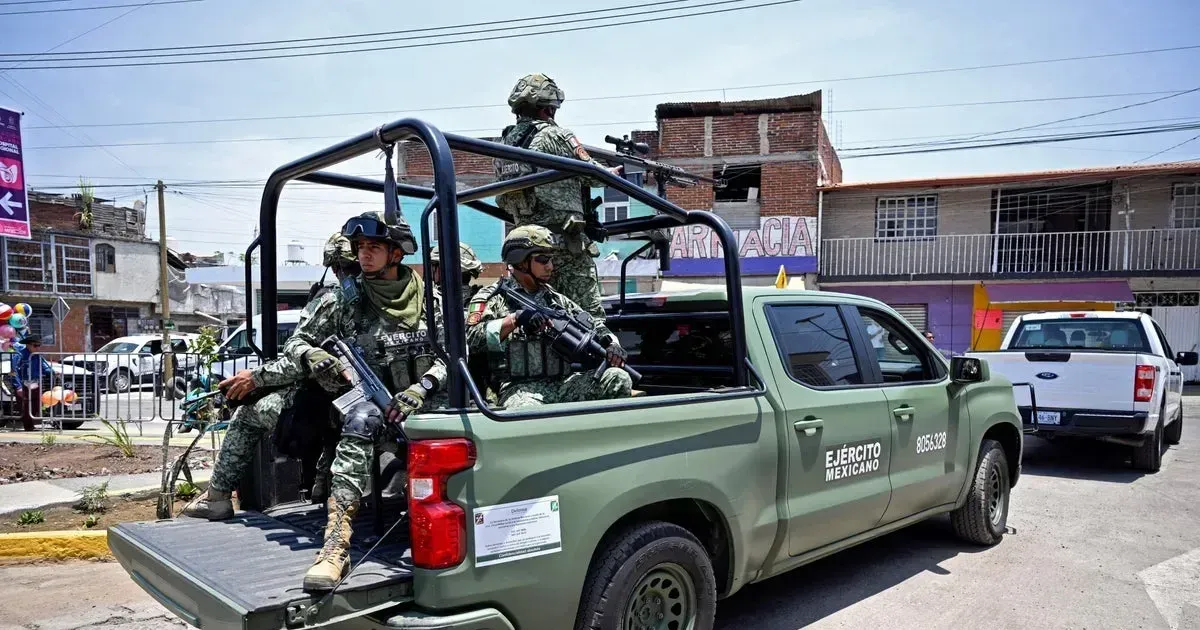
Mexican authorities said gunmen killed 10 people, including a child, in the town of Tehuitzingo in Puebla state. The Tehuitzingo killings immediately placed local security agencies under national scrutiny. Families in nearby towns are watching whether federal involvement produces arrests or only patrols. The attack took place on May 17, 2026, in the early hours of Sunday, according to Puebla's public security agency. Officials said the victims were six men, three women and one child, all of whom were shot.
The killings drew a federal response because of the number of victims and the recent rise in violence across central Mexico. Local authorities did not identify any suspects in the attack. They also did not immediately release the victims' names, a common step while families are notified and prosecutors begin formal case work. The lack of early suspect information means investigators are still establishing whether the attack was targeted, retaliatory or part of a broader criminal dispute.
Tehuitzingo Attack Under Investigation
The attack occurred in east-central Puebla, a state better known for industrial corridors and historic towns than for the levels of cartel violence associated with parts of northern Mexico. That distinction is becoming less comfortable for local officials. Recent attacks have pushed security concerns deeper into communities that previously saw themselves as removed from the worst violence.
ABC News, citing the Associated Press, reported that Mexican officials confirmed the death toll on Sunday. Federal officials are investigating the case, while local authorities have not said whether they have identified the gunmen. The absence of early arrests keeps the case in a fragile stage, especially in a town where residents may be reluctant to speak publicly. It also limits what officials can responsibly say about motive. In cases like this, the first verified details often matter more than early theories because incorrect motive claims can spread quickly in small communities.
Forensic work will likely focus on the weapons used, the sequence of shots and whether the victims were specifically targeted. Authorities have not publicly confirmed a motive. That matters because early claims about organized crime, personal disputes or territorial control can distort a case before investigators establish the basic facts. The confirmed information is narrower: 10 people were killed, the attack happened in Tehuitzingo, and federal officials are now involved.
Central Mexico Violence Raises Pressure
Puebla has seen other deadly incidents this year. In February, six people were killed in Huehuetlan El Grande, another municipality in the state. Days later, three people died in Puebla's capital after an attack on their vehicle. Those cases now form part of a wider pattern that state and federal officials will be under pressure to explain.
Central Mexico has also recorded a surge in cartel-linked violence that has forced hundreds of families from their homes. ABC reported that between 800 and 1,000 families have fled in the region. The Tehuitzingo killings will intensify concern that smaller towns are being pulled into conflicts that once appeared more concentrated elsewhere. For residents, the immediate concern is not a national crime trend but whether daily life can resume without fear of another attack.
Puebla Governor Alejandro Armenta had not commented on the incident in the initial reports. That silence leaves the first public account in the hands of security agencies and federal investigators. Officials will now face pressure to explain whether additional patrols, arrests or witness-protection steps are being prepared for the area. Families in nearby towns will also be watching whether state and federal agencies coordinate publicly or leave residents with competing versions of the security response in the coming days as the investigation moves forward.
The AP report also placed the Puebla attack within a wider central Mexico security problem. That context does not prove who carried out the Tehuitzingo shooting, but it explains why a single town massacre can quickly become a national concern. When hundreds of families have already fled violence in the broader region, another mass killing signals that displacement pressure may continue.
The presence of a child among the dead makes the attack especially difficult for officials to treat as routine criminal violence. It also increases pressure for a transparent investigation, because families in affected towns often judge security policy by whether arrests follow quickly after mass-casualty attacks. Until suspects are identified, the case remains both a criminal investigation and a test of public confidence in Puebla's security response. Witness protection may become as important as patrol visibility if investigators expect residents to cooperate.