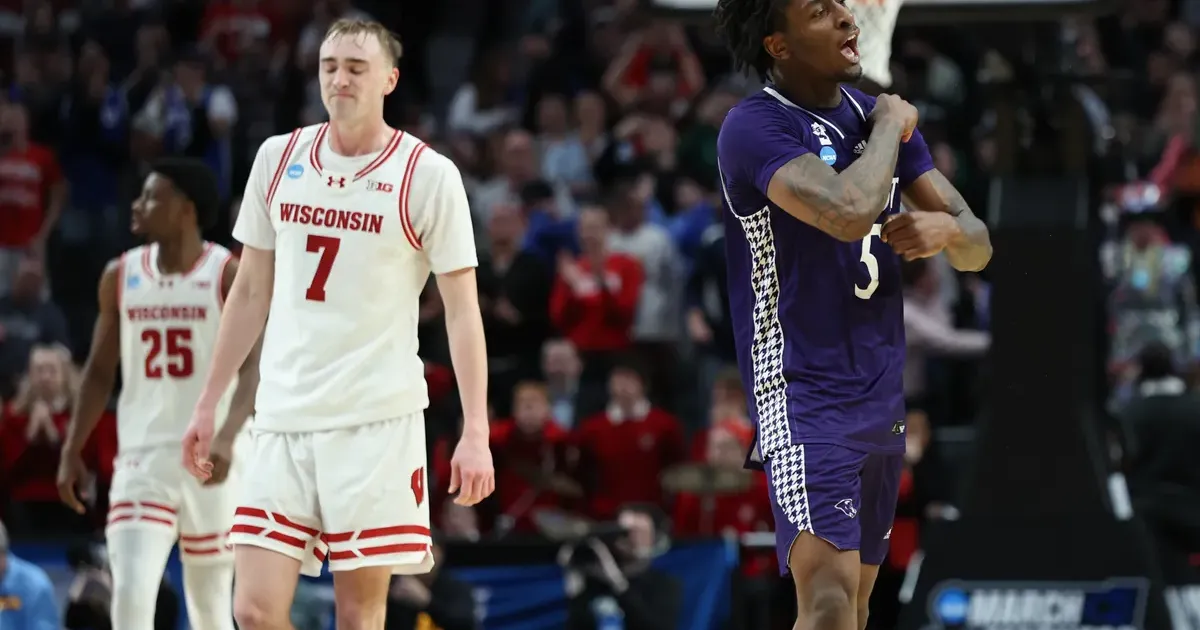
High Point stunned Wisconsin with a late rally that delivered the program's first NCAA Tournament victory and gave the bracket an early shock. The 83-82 result mattered because it turned a mid-major opportunity into a national moment.
One Drive Changes the Bracket
Chase Johnston's final drive gave the game its signature image. A player not known for living at the rim attacked at the exact moment Wisconsin needed one clean stop. The upset became more than a score almost as soon as the final possession ended.
It was evidence that tournament pressure can compress the difference between a power-conference favorite and a smaller program with enough poise. Wisconsin entered with size, experience and expectations.
Those advantages still matter, but they can disappear if a favorite fails to finish possessions, protect the ball or slow the game in the final minute. High Point's win was not built only on one shot. It required staying close enough for the final possession to matter, then trusting a player to make a decision without hesitation.
A Mid-Major Moment Lands Early
Wisconsin will replay the closing possessions because upsets usually come from accumulated small failures. A missed box-out, a rushed shot or a late defensive angle can become the opening a mid-major needs. High Point also earned the moment by staying composed enough to make the final play matter. Underdogs often lose before the ending because they chase the upset too early; this one kept the game within reach. For the tournament, the result adds immediate volatility.
Brackets do not break because an underdog is charming; they break because a favorite fails to impose its structure when pressure rises. The win can change recruiting and visibility for High Point even if the run ends quickly. One national upset gives a program a reference point that coaches can carry into every future pitch. The tactical story is also about tempo. Wisconsin wanted possessions that reflected its structure; High Point needed enough disorder to make the final minute about nerve rather than hierarchy.
Johnston's drive will be remembered because it turned preparation into instinct. In tournament games, the decisive play often belongs to the team willing to act before the favorite fully resets. The upset also changes the emotional geography of the bracket. Every lower seed watching that finish gets evidence that staying close is not symbolic; it can be enough. For Wisconsin, the loss will follow the program because favorites are judged by control.
Why the Upset Will Stick
A narrow defeat still reads as failure when the opponent was given the final clean chance. Coaches often talk about tournament margins, and this game gave the phrase a concrete shape. One late drive, one defensive angle and one moment of confidence separated a historic win from a forgettable close call. The upset also rewards preparation at the program level. High Point had to recruit, schedule and build enough belief long before the final possession.
The finish looked sudden, but the conditions for it were created over a season. That is the permanent appeal of the tournament. It gives smaller programs a stage where preparation, timing and one fearless possession can briefly outweigh money, seeding and reputation. For neutral fans, that uncertainty is the product. The game delivered the central promise of March: a favorite under control can still be one brave possession away from losing everything.
High Point earned its first NCAA Tournament victory and knocked out a favored Wisconsin team in the opening round. The upset shows why March rewards teams that stay functional under stress. Talent creates separation over a season; composure decides single-elimination endings. For High Point, the victory changes how the program is remembered. For Wisconsin, it becomes a lesson in how quickly a controlled game can become a permanent tournament scar.