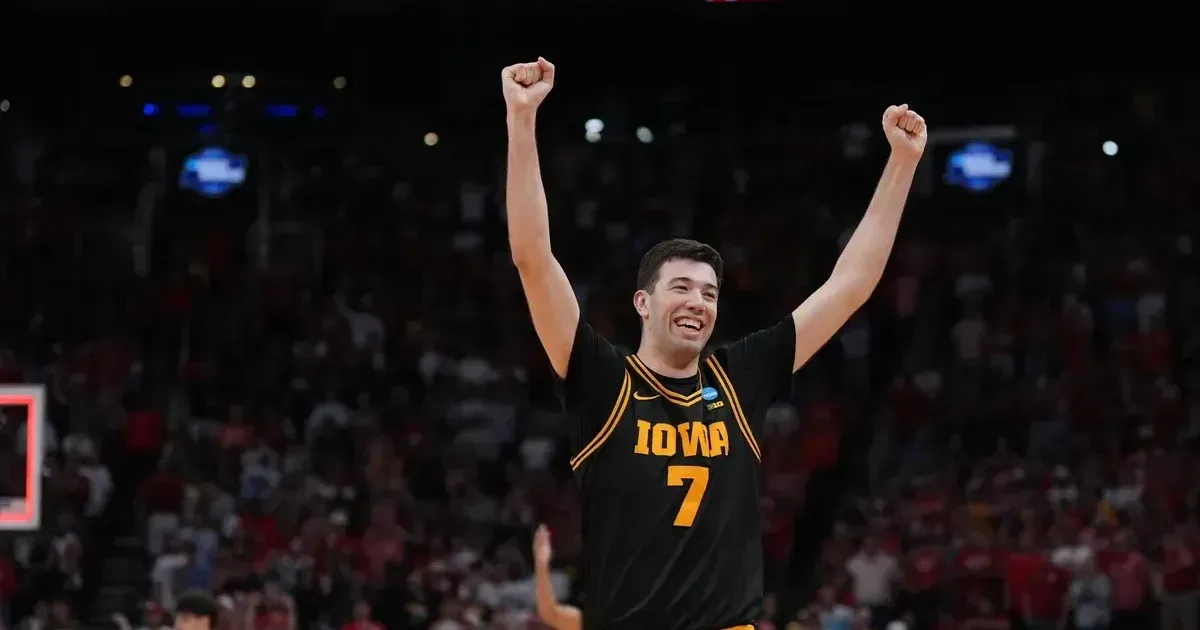
Nebraska's loss to Iowa will be remembered not only for missed shots or late possessions, but for the Fred Hoiberg error that left the team short-handed. Tournament basketball punishes small management mistakes because there is so little time to recover. In a game decided by control and composure, roster confusion became part of the story.
Inside the regional spotlight, the issue stood out on March 27, 2026, because Nebraska had already forced Iowa into an uncomfortable game. The Cornhuskers were close enough that every substitution, timeout and possession carried weight. When a team is chasing a regional breakthrough, a preventable bench problem feels larger.
Fred Hoiberg has built a reputation as a smart offensive coach, which made the mistake more visible. Coaches can survive tactical gambles, but administrative errors are harder for fans to accept because they seem avoidable.
Why the Error Hurt
Being short-handed changes more than minutes. It affects matchups, foul management and the confidence of players who are suddenly asked to cover a gap. Even a brief stretch can shift the rhythm of a close game.
Iowa did enough to exploit the instability. The Hawkeyes stayed organized late and forced Nebraska to execute under pressure. When one side is cleaner in the margins, the other side's mistake becomes easier to see.
The error should not erase Nebraska's effort. The team defended hard, disrupted Iowa's preferred tempo and kept the game within reach. That is why the mistake stings: Nebraska had done enough work for the details to matter.
Coaching Under Tournament Pressure
March games compress decision-making. Coaches manage fouls, television timeouts, injuries, matchups and emotional swings while assistants track details in real time. The system is built to prevent confusion, but pressure exposes weak communication quickly.
Nebraska basketball now has to process the loss without letting one error define the season. The program can still point to progress, competitiveness and a roster that pushed into meaningful March moments.
For Hoiberg, the response matters. Owning the error clearly is better than burying it under general disappointment. Players and fans can accept mistakes more easily when the explanation is direct.
What It Means for Nebraska
The practical lesson is about game operations. Late-season teams need substitution plans, emergency communication and staff roles that hold up when the building is loud and the stakes rise. Those details rarely make headlines until they fail.
The emotional lesson is harsher. Nebraska was close enough to make Iowa uncomfortable, and that closeness turns every flaw into a what-if. The loss will follow the team for a while, but it can also become a useful standard if the program treats the margin seriously. The coaching staff will review the sequence because the same kind of error can return in a different form. It may be a substitution issue one night, a timeout problem the next, or confusion over who is eligible in a late defensive possession. Good programs treat those moments as operational failures, not just bad luck. Hoiberg's credibility will depend partly on whether players believe the lesson has been absorbed. The game also showed that Nebraska is close enough for those details to matter, which is a better problem than irrelevance. Still, March does not reward almost. It rewards the team that manages both the emotional and administrative parts of pressure. Nebraska's staff can use the loss as a systems check. Who confirms availability, who communicates the adjustment, and who has authority to stop a substitution before it creates a problem? Those questions are dull until they decide a season. The teams that survive March usually have answers before the arena exposes the mistake. The loss should not be reduced to one bench mistake, but the bench mistake cannot be dismissed either. In close tournament games, preparation is part of performance. Nebraska's next step is to make sure the lesson becomes routine rather than regret. The broader sports lesson is that coaching is not only strategy. It is process. A staff can draw the right play and still lose value if communication breaks down before the play begins. Nebraska's loss put that process on display at the worst possible time. The offseason answer should be practical, not theatrical: rehearse the boring details until they hold under noise. That is why the postgame review should focus on repeatable safeguards. Clear bench communication, substitution confirmation and late-game role assignments can all be practiced. Nebraska cannot replay the Iowa loss, but it can make the next pressure game less vulnerable to the same avoidable confusion. That is where a painful loss can become useful rather than merely memorable. Nebraska has enough evidence to make that correction part of its next step. Without that correction, the same detail can return when the stakes are just as high. That is the necessary lesson.